Earwigs may look like something out of a horror movie, but most Montana homeowners who spot them around the house or garden are just dealing with a nuisance, not a real threat.
Despite old myths about earwigs crawling into people’s ears, the reality is much less dramatic. But if you’re seeing a lot of them, you might be wondering what they’re doing in your home and whether they pose any danger to your family, pets, or property.
Let’s clear up the misconceptions and talk about what you should know, and when it might be worth calling in pest control.
Key Takeaways
- Earwigs are not dangerous to humans, pets, or homes.
- Their pincers may look intimidating, but they are mainly used for self-defense.
- They’re often found in damp, dark places like basements and mulch beds.
- A large earwig infestation can indicate excess moisture or other underlying issues.
What Are Earwigs?
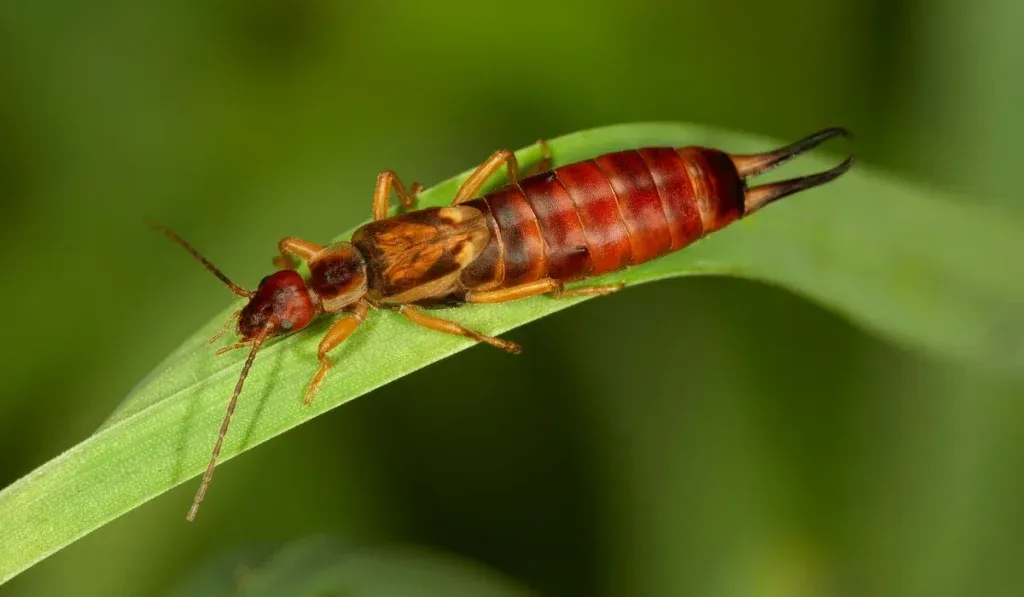
Earwigs are small, brownish-black insects with long, flat bodies and a pair of curved pincers (called cerci) at the end of their abdomen. These pincers are what give them their other nickname, pincher bugs. Males tend to have more curved cerci, while females’ are straighter. They use them for defense and occasionally during mating.
Montana homeowners are most likely to encounter the European earwig, which is common throughout the U.S.
While the European earwig is the most common in Montana, there are over 20 species of earwigs found across North America. However, only a few are considered household pests.
Are Earwigs Dangerous?
The short answer: No, earwigs are not dangerous.
They don’t bite, sting, or spread diseases. The myth that they crawl into human ears and burrow into the brain likely came from their name, which traces back to the Old English word ēarewicga, meaning “ear creature.” But this myth doesn’t hold up. They might crawl onto a person at night if the conditions are right, but they have no interest in your ear canal.
While an earwig pinch may feel startling, it rarely causes any harm. Their pincers are capable of pinching skin, but they seldom break it. They only pinch in self-defense.
Do Earwigs Bite?
Earwigs do not bite. If you’ve felt a quick pinch from one, it was likely from their cerci. It can feel sharp, but it isn’t harmful. Their mouths are built for chewing small insects and organic matter, not piercing skin.
So while “earwigs bite” is a common search phrase, it’s a bit of a misnomer.
Are Earwigs Harmful to My Home?
Not directly. Earwigs aren’t like termites or carpenter ants that cause structural damage. They’re not like cockroaches or bed bugs either; they won’t bite you or get into your food.
What earwigs eat includes decaying organic matter, aphids, and even other small insects. In small numbers, they’re part of a healthy ecosystem. But when earwigs show up in large numbers indoors, it often points to something else, like moisture problems, cracks around entry points, or a buildup of mulch near your foundation.
Kodiak Pest Control commonly sees them gathering in:
- Basements and crawl spaces
- Damp cardboard or paper piles
- Bathroom and laundry room corners
- Mulched flower beds right up against the house
What Causes an Earwig Infestation?
Earwigs love moisture and organic matter. Mulch beds, leaf piles, and overwatered gardens provide perfect hiding places. Inside, they enter through cracks and crevices in search of damp shelter, especially during hot, dry weather or heavy rain.
An earwig infestation inside usually means they’ve found a comfortable hiding place with moisture, darkness, and access to organic material or other small insects.
Earwig Control: How to Get Rid of Them
Suppose you’re seeing one or two, simple earwig control steps like vacuuming or sealing up entry points, may be enough. But if earwigs are showing up every night or you’ve spotted dozens in your basement or bathroom, it’s time to get rid of earwigs professionally with help from a pest control company.
Steps to reduce earwig activity:
- Remove hiding places: Keep mulch 6–12 inches away from your home’s foundation.
- Seal cracks and crevices: Focus on door thresholds, window frames, and vents.
- Use dehumidifiers: Reduce indoor humidity, especially in basements and laundry rooms.
- Fix drainage issues: Clean out gutters and make sure water flows away from the house.
When to Call a Professional
When DIY steps aren’t enough or the earwigs keep returning, professional pest management can help identify the source and apply targeted treatment. At Kodiak Pest Control, we don’t just spray a product; we inspect the property, find the harborage sites, and treat the conditions that attract pests in the first place.
We treat around the foundation, entry points, mulch borders, and other likely harborage areas, creating multiple layers of protection that keep pests away from your home, not just the structure, but the whole yard.
Do Earwigs Lay Eggs Indoors?
Earwigs usually lay eggs in soil outdoors, not inside your house. They seek moist, sheltered spots under mulch or plant debris. If you’re seeing them indoors, it’s more likely they wandered in, not that they’re nesting in your home.
Are Earwig Pincers a Threat?
While they might look like little forceps, those earwig pincers are just for show when it comes to humans. They’re helpful in self-defense against other insects or when tussling with each other. Occasionally, you might feel an earwig pinch if you pick one up, but again, it’s more surprising than painful.
Do Earwigs Crawl Into People’s Ears?
This remains one of the most persistent myths, but it’s not something you need to worry about. Earwigs crawl into tight spaces, yes. But they aren’t drawn to human ears. If one ends up there, it’s by sheer accident. You have better odds of finding one in a damp towel on the bathroom floor than in your ear.
Final Thoughts
So, are earwigs dangerous? Not really. They might look creepy, and no one likes seeing bugs indoors, but earwigs don’t pose a threat to you, your pets, or your property.
However, if you’re dealing with large numbers or seeing them inside often, it may be time to take a closer look at what’s drawing them in. That’s where Kodiak Pest Control can help, especially if you’re in Billings or anywhere across the Big Horn Basin. Just give us a call, because we don’t just remove pests. We help prevent them from coming back.
FAQs
Do earwigs spread disease?
No, earwigs don’t spread disease. They don’t carry harmful pathogens and aren’t a health risk to humans or pets.
Can earwigs damage my garden?
In large numbers, yes. While they eat decaying material and aphids, they might also nibble on seedlings or soft fruit. Still, they’re not as damaging as mites or caterpillars.
What’s the best way to prevent earwigs indoors?
Seal up cracks, reduce moisture with dehumidifiers, and keep mulch and plant debris away from your home’s foundation. These steps go a long way in keeping them out.