

It’s a familiar scene—you’re in the garage or basement, maybe digging out some old gear, when you spot spider webs in the corner or a long-legged critter crawling across the floor. Your first thought might be: “Is that thing dangerous?” And you wouldn’t be alone.
Technically speaking, most household spiders are venomous spiders, but the good news is they’re not dangerous to people.
Let’s walk through the types of spiders you’re most likely to find in crawl spaces, attics, and closets, and which ones might warrant more than a broom and a boot.
Key Takeaways
- Most common spiders in your home are harmless because their venom is too weak to hurt people.
- Species like wolf spiders, jumping spiders, and hobo spiders may bite but their bites are mild and not a real danger.
- Brown recluse and black widow spiders are rare indoors but their bites can be painful and need attention.
- Seeing lots of spiders could mean infestation and pest control helps keep your home spider-free and comfortable.
What Does “Poisonous” Even Mean for Spiders?
When people ask if house spiders are poisonous, what they really want to know is whether these arachnids can harm humans. Poisonous animals make you sick if you eat or touch them.
Spiders, on the other hand, are venomous, meaning they have venom to immobilize their prey, usually other critters like flies or cockroaches. But the majority don’t have venom strong enough to cause problems for humans.
In fact, research emphasizes that despite the vast number of spider species, only about 0.5% are considered potentially dangerous to humans.
Are Common House Spiders Dangerous?
Let’s talk about the species of spiders you’re likely to find indoors.
American house spiders, cellar spiders, and daddy long legs are among the most common spiders in the Big Horn Basin. These weavers tend to hang out in eaves, windowsills, and garages, creating cobwebs that seem to appear overnight.
You might also run into other species, such as.
- Wolf spiders pounce on prey—and while their size can be unsettling, their bites aren’t dangerous.
- Jumping spiders are small, fast, and often seen on windowsills, but they pose no danger to people.
- Hobo spiders build funnel webs and are often mistaken for dangerous species, but their venom isn’t harmful to humans.
While any of them can bite if provoked, it’s rarely more than a mild bee sting.
Still, if you notice a lesion or swelling at the spider bite site, it’s smart to monitor it and seek medical attention if it gets worse.
Are There Spiders You Should Really Worry About?
Common house spiders produce far less venom, making them generally harmless to humans. Still, two spiders can pose a real risk if they end up in your home.
Brown Recluse Spiders: A True Threat

The brown recluse spider, also known as the brown spider, is one of the few types of spiders you need to be cautious of. They’re not native to our area, but they can be brought in on boxes or furniture. They’re known for a violin-shaped marking on their back and like dark, undisturbed areas like crawl spaces or closets.
Their bite often becomes painful within 2 to 8 hours, and skin lesions can take weeks to heal. If you think you’ve been bitten by one, don’t wait—get medical attention.
Black Widow Spiders: Recognize the Hourglass
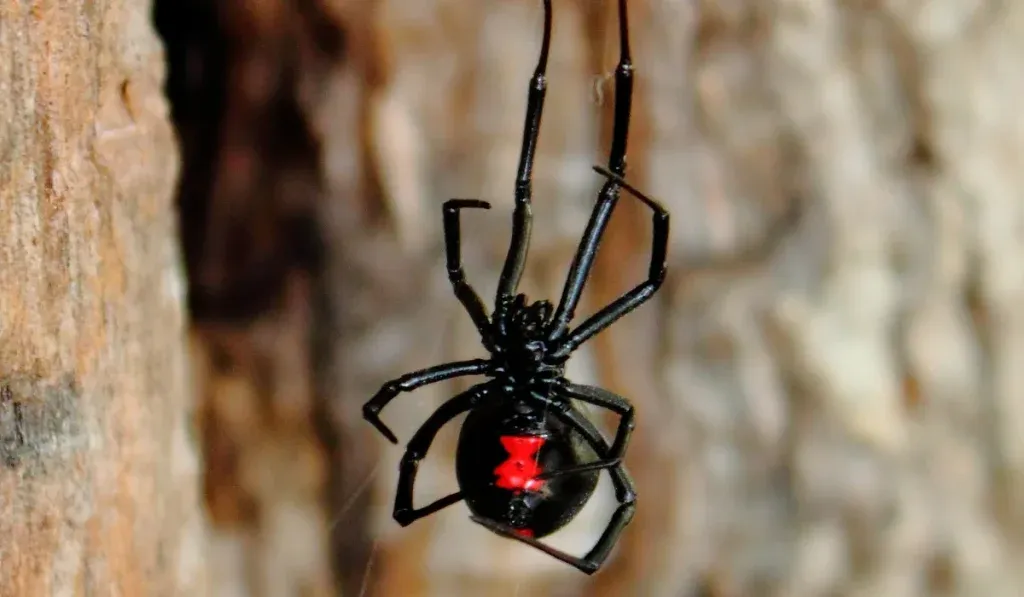
Another spider to know is the black widow spider. These spiders are easily identified by the red hourglass shape on their belly. They tend to live in basements, attics, and under outdoor furniture.
While around 2,500 to 3,000 bites are reported each year in the U.S., they are treatable and rarely cause serious issues for healthy adults.
Still, kids, pets, and older folks should be extra cautious. If bitten, expect pain similar to a bee sting, but possibly stronger, and seek help if needed.
What If You’re Seeing Spiders All the Time?
Finding the occasional spider is normal. But if you’re constantly seeing egg sacs, webs, and spiders in multiple places—especially in crawl spaces, garages, and attics—you might have a spider infestation.
That’s when it’s time to consider professional spider control.
At Kodiak Pest Control, we help homeowners like you take back your space from unwanted arachnids. Our team focuses on pest management solutions that work, from treating eaves and windowsills to helping you seal cracks that allow spiders and other pests inside.
You Could Handle It Yourself…But Do You Want To?
Sure, you could grab a vacuum and chase down spiders yourself, but how many Saturdays do you want to spend playing hide-and-seek with critters in your closets?
Contact us now, and let us handle the pest control so you can enjoy your home without worrying about venomous spiders lurking in the corners.




