
Spiders are common in Montana homes. In Laurel, people often see more of them during certain seasons. Basements, garages, and quiet corners can become temporary homes for these eight-legged visitors.
Montana’s long winters and mild summers push spiders to look for warmth, food, and shelter. When the weather changes, more spiders move inside. Many people notice a late-summer spike and wonder if these spiders live indoors year-round or just visit.
When you know when and why spiders show up, you can plan simple steps to keep them out or schedule pest control in Laurel, MT to stop them early.
Key Takeaways
- House spiders in Laurel appear year-round but are most visible in late summer and fall.
- Most spider species in Montana are harmless, though black widows may appear in dark corners or sheds.
- Spider activity increases as temperatures cool and insects move indoors.
- Routine prevention and professional treatments keep your home free from webs and egg sacs.
Why Laurel Sees So Many House Spiders
When you’ll see the most spiders indoors
House spiders live in Laurel homes all year. This shows when indoor sightings tend to rise and fall, not a forecast for any single season.
Laurel’s dry climate and cold winters create favorable conditions for indoor spider activity. The typical house spider belongs to the genus Tegenaria, which includes the common house spider and the giant house spider. These spiders build funnel-shaped webs in basements and attics, feeding on insects that wander inside.
Homes near fields or open land often have more activity. The nearby Yellowstone River and surrounding grasslands attract insects that spiders feed on. As temperatures fall, spiders move indoors to find warmth and protection. Many homeowners start noticing spiders in the house this fall as part of their natural cycle.
Local professionals who specialize in spider control in Laurel, MT, focus on reducing the sources that attract these arachnids. By treating exterior walls, foundations, and landscaping, they prevent pests from entering before infestations begin.
Common Spiders Found in Montana Homes
Common spiders found in Montana include wolf spiders, crab spiders, hobo spiders, and jumping spiders. Wolf spiders from the family Lycosidae are fast-moving hunters with long legs and strong bodies. Although intimidating, they rarely bite and prefer to hunt insects rather than spin webs.
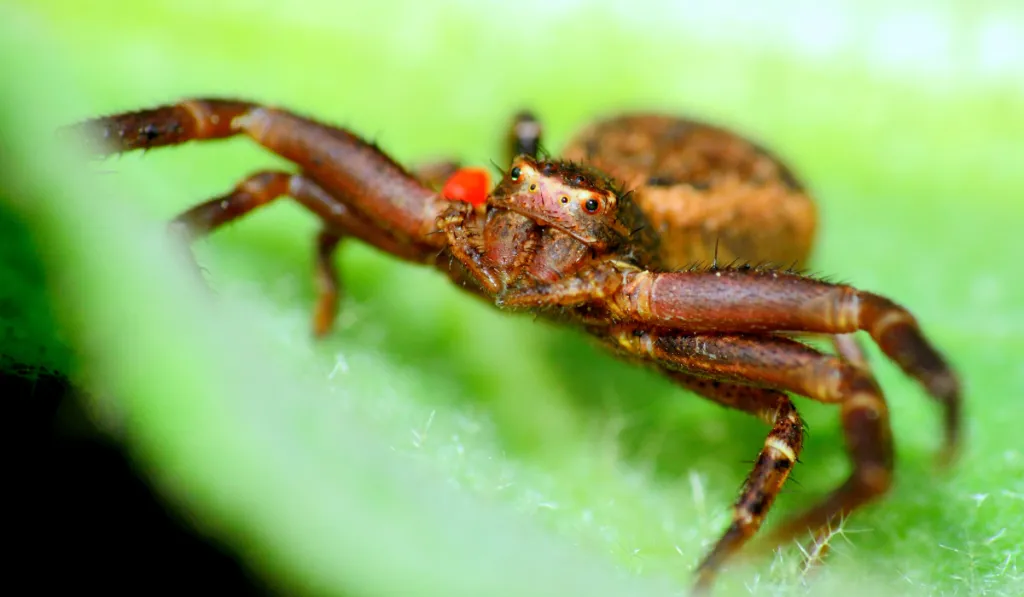
Crab spiders, part of the family Thomisidae, are small, flat-bodied spiders. They hold their front legs to the side and wait for prey. Jumping spiders are small, active hunters with excellent eyesight. You may see them on windowsills and door frames on sunny days.
Hobo spiders (Eratigena agrestis) are common in Montana. They build funnel webs in basements and window wells. Some people mistake them for the aggressive house spider, but they are not known for being dangerous or bold around people.
Outdoors, orb weavers and the banded garden spider (Argiope trifasciata) spin large, round webs. The cat-faced spider often shows up near porch lights and windows. These Montana spiders help cut insect numbers in warmer months.
Venomous and Harmless Spiders in the Region
Most spiders in Montana are harmless, but a few venomous species deserve attention. The black widow spider, or Latrodectus, is one of the most concerning venomous spiders in Montana. Females are glossy black with a red hourglass mark on their underside. Black widows in Montana typically nest in undisturbed areas, such as crawl spaces, garages, and woodpiles.
The brown recluse spider, often mistaken for other species, is not native to Montana. Actual sightings are rare, and most reports turn out to be hobo spiders or other brown-colored types.
When people ask, “Are house spiders poisonous?” The answer is generally no. The average house spider, cobweb spider, or comb-footed spider from the Theridiidae family poses no risk to humans. Still, anyone who experiences spider bites with swelling or pain should get medical advice.
At Kodiak Pest Control, we regularly assist homeowners concerned about venomous spiders by providing detailed inspections and, when needed, safe removal.
Why Spiders Appear in Late Summer
The reason spiders show up in late summer is largely seasonal. As temperatures drop, insects move indoors, attracting spiders that follow their prey. This period also aligns with their breeding season, when males roam in search of mates. You may notice an increase in spiders on walls, ceilings, or near entry points during this time.
Egg sacs can hide under furniture, in closets, or behind boxes. They can hold many spiderlings that hatch in spring. Treating your home before fall helps stop the next wave from settling inside.
Many homeowners rely on local professionals who specialize in getting rid of wolf spiders in Montana to apply preventive treatments during this time. These services build barriers that last through the cold months and reduce activity when spring returns.
Identifying the Most Common Spiders
Proper spider identification helps determine whether you’re dealing with harmless or venomous types. The giant house spider is large and fast-moving with long legs, while the smaller common house spider spins tangled webs near corners and ceilings. Wolf spiders carry their egg sacs attached to their abdomens and often surprise homeowners when spotted at night.
Grass spiders, part of the agelenopsis genus, build flat, sheet-like webs in yards or basements. Crab spiders sit motionless, blending into their surroundings, while jumping spiders, such as the Phidippus species, stand out for their quick movements and bright colors.
Orb-weaver spiders, such as Araneus gemmoides, often live outdoors, creating round, symmetrical webs that capture flying insects. Garden spider varieties, including the banded garden spider, are beneficial predators that help control pests.
Some of the largest spiders in Montana, such as wolf spiders and orb weavers, may look intimidating, but they play a significant role in keeping insect populations in check.
For accurate identification, MSU Extension offers online guides and photographs that help Montana residents distinguish local species.
Spider Behavior and Egg Sacs Indoors
Indoors, spiders look for dark, quiet places. Many build webs behind furniture, near windowsills, or along basement rafters. They feed on small insects like ants, flies, and beetles. Cobweb spiders leave visible silk in corners. Others stay hidden.
Female spiders lay egg sacs in the fall so the young can survive winter. These silk bundles may stick to walls or hide under furniture. Remove them quickly to cut future infestations.
Professional technicians inspecting a home check not just for webs but also for spinnerets, egg sacs, and shed exoskeletons, which are evident signs of an active spider population.
Tips for Keeping Spiders Out of Your House
Start with simple steps. Seal cracks around doors and window frames, install tight-fitting screens, and close gaps where utilities enter the home. Store firewood at least 20 feet from the house and keep grass trimmed to limit outdoor harborage.
Inside, regular cleaning is key. Vacuuming corners, under beds, and along ceilings removes webs and insects. Reduce clutter in basements, closets, and garages where spiders can hide. Outdoor lighting attracts insects that spiders feed on; consider using yellow bulbs or motion-activated lights instead.
These tips for keeping spiders out of your house are most effective when combined with professional treatments that target problem areas around the foundation and in the yard.
The Role of Professional Pest Control
Spider control in Laurel, MT, needs more than web removal. At Kodiak Pest Control, we treat indoors and outdoors. Technicians apply barriers around structures, lawns, and fence lines to block spiders and other pests.
They use targeted materials against black widows, hobo spiders, and crab spiders common in the area. This layered plan lowers spider numbers and cuts bites and web build-up.
Homeowners often wonder if spider control in Laurel, MT, is worth it. The answer is yes if you’re seeing webs, spider egg sacs, or frequent indoor sightings. Regular treatments stop new infestations before they spread and protect your home through each season.
Why Consistent Treatment Matters
Seasonal treatments are essential for maintaining control. Spiders multiply quickly when left unchecked, especially during the late summer breeding period. By scheduling regular service visits, you can prevent eggs from maturing and eliminate adult populations before they spread.
Technicians also monitor for other arachnids that might share the same habitat, such as wasps or beetles. Addressing these secondary pests helps reduce spider food sources and limits activity inside.
A reliable pest control partner ensures your property stays free of spiders and the insects that attract them, protecting your home year-round.
Making the Right Choice for Your Home in Laurel
Most spiders in Laurel are harmless, but webs are not welcome. Knowing local species and their seasons helps you manage them. Professional inspections tell the difference between harmless and risky species before problems grow.
At Kodiak Pest Control, we handle common spiders and black widows in Montana. With local know-how, safe products, and ongoing prevention, our team helps protect Laurel homes.
Ready to stop spiders? Contact us today for spider control in Laurel, MT. Get a plan that fits your home and season.
FAQs
Are spiders active year-round in Montana?
Yes. Most species overwinter indoors, but activity increases in late summer as breeding begins.
What are the most common spiders in Laurel, MT?
Wolf spiders, crab spiders, house spiders, jumping spiders, and orb weaver spiders are the most common spiders in this region.
How can I safely manage spider infestations?
Clean regularly, remove webs, and schedule preventive treatments. For expert help, contact Kodiak Pest Control for reliable service and advice.




