You turn on the garage light and see a large spider run across the floor. Most people have the same first thought. Is it dangerous?
Wolf spiders grab attention fast, especially when you do not expect to see a spider that big move so quickly.
In Wyoming and Montana, wolf spiders are common, and homeowners ask about them every year. They come indoors when temperatures change, insects move closer to the house, or outdoor hiding spots dry up. They look scary, but their behavior is usually harmless once you understand how they live.
This guide explains whether a wolf spider is dangerous to your family, what a wolf spider bite looks like, and when to call a residential pest control professional. By the end, you will know how to keep wolf spiders out of your home and when to take action.
Key Takeaways
- Wolf spiders look scary, but bites are rare and usually mild.
- A wolf spider bite rarely causes serious problems unless you have an allergic reaction.
- Most wolf spiders enter homes by accident while hunting insects.
- Preventive pest control lowers spider activity by removing food sources and sealing entry points.
Video: Spider Identification and Behavior
This short video explains how to identify wolf spiders and tarantulas by size, movement, and body shape. It also covers how these spiders behave indoors and why they are often mistaken for more dangerous species. Watching it can help you feel more confident when you spot one.
What Wolf Spiders Are and Why You See Them
Wolf spiders belong to the Lycosidae family. Like other arachnids, they are fast hunters that chase prey instead of waiting in webs.
Unlike many other types of spiders, wolf spiders do not spin webs to catch food. They use speed, large eyes, and strong legs to chase insects.
You will usually find wolf spiders outdoors in leaf litter, tall grass, woodpiles, and soil. They dig shallow burrows there. When the weather changes or food becomes scarce, they may wander indoors. They sometimes enter basements and garages, especially in the fall and early spring.
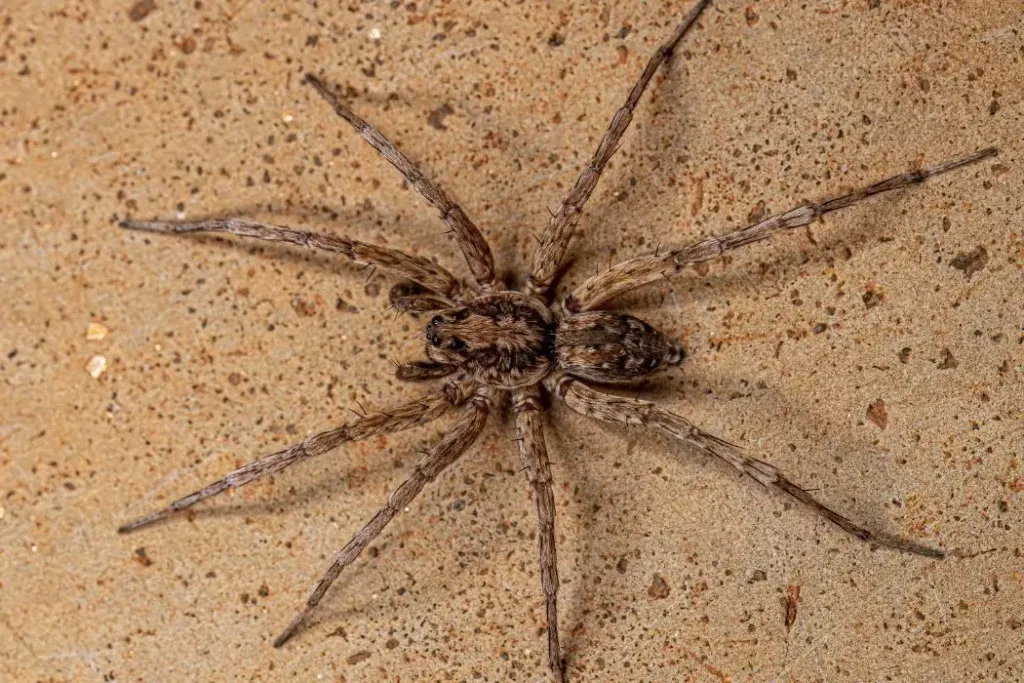
There are many different species of wolf spiders, and they vary in size and color. Most are dark brown or gray with light striping. They move quickly and grow larger than many house spiders, so they often scare people when seen indoors.
Are Wolf Spiders Dangerous to Humans
Many homeowners ask, “Are wolf spiders dangerous?” especially if they have children or pets. The short answer is no.
Wolf spiders are not aggressive. They usually run away instead of biting, and although wolf spiders are venomous, they are not considered dangerous or poisonous to most people. In rare cases, a spider may bite if you trap it or handle it.
Wolf spider venom targets insects, not people. Even if a bite happens, symptoms are usually mild and go away quickly. Doctors do not consider wolf spiders a serious health threat like a brown recluse or black widow.
Understanding a Wolf Spider Bite
A wolf spider bite can look like other bug bites. You may notice redness, mild pain, swelling, or itching at the bite site. Some people say it feels like a bee sting.
Most symptoms fade within a few days. An ice pack can reduce swelling and pain. Over-the-counter pain relievers or antihistamines may help if itching continues.
In rare cases, someone may have an allergic reaction. Signs include heavy swelling, difficulty breathing, or spreading hives. Severe reactions are very rare, but seek medical care right away if breathing problems occur.
Most wolf spider bites are mild and heal without medical treatment.
Wolf Spider Behavior Inside the Home
Wolf spiders do not want to live long-term indoors. They enter homes while hunting insects like cockroaches and other small invertebrates. Once inside, they roam instead of staying in one place.
Because they do not spin webs, they do not leave webs in corners or on ceilings. You may see one running across the floor at night when they are most active.
Female wolf spiders act differently during the breeding season. They carry an egg sac attached to their spinnerets. After the eggs hatch, tiny spiderlings ride on the mother’s back for a short time. Seeing a mother spider covered in spiderlings may look scary, but it does not mean you have an indoor infestation.
Wolf Spiders in Wyoming Homes
We regularly see wolf spiders in Wyoming, particularly in rural areas where homes border fields, irrigation ditches, and open land. Changes in weather, especially sudden cold snaps, push these spiders closer to structures.
Most sightings involve a single spider that wandered indoors by accident. Cracks, gaps, and small crevices around the foundation make it easy for insects to enter, especially when insects gather near lights.
When homeowners ask about wolf spiders in Wyoming, we focus on prevention. Reducing insect activity around the home makes a big difference.
Wolf Spiders in Montana and Regional Concerns
Montana homeowners face similar issues, especially in areas with dense vegetation and seasonal moisture fluctuations. Getting rid of wolf spiders in Montana often starts outside, not inside the home.
Spiders follow food. If insects live near your foundation, spiders will follow. Regular pest control services can reduce insect numbers before spiders move inside.
In both Wyoming and Montana, wolf spiders are one of the most common spiders homeowners report seeing. Regular prevention helps reduce repeat problems.
Where Wolf Spiders Like to Hide
Outdoors, wolf spiders prefer leaf litter, rocks, woodpiles, and soil. Their burrows protect them and support hunting.
Indoors, they look for quiet, dark areas. Basements and garages offer the conditions they like. Cluttered storage areas and houseplants can also attract insects, which then attract spiders.
Seal gaps, reduce moisture, and keep storage organized. These steps remove hiding spots that attract spiders.
When Pest Control Makes Sense
Seeing one spider does not always mean you need pest control. However, repeated sightings may point to an insect problem or open entry points.
Professional pest control focuses on prevention, not just removal. Our technicians treat exterior areas, seal access points, and reduce insect populations. When insects decrease, spiders lose their food source.
We often see wolf spiders as a sign of a larger insect issue. Fixing what attracts them helps keep your home comfortable and spider-free.
Keeping Wolf Spiders Out for Good
The best way to deal with wolf spiders is prevention. Try these simple steps:
- Seal cracks and gaps around doors, windows, and foundations.
- Install tight-fitting door sweeps.
- Reduce outdoor lighting that attracts insects.
- Keep firewood and debris away from the home.
- Schedule regular exterior pest treatments.
If spiders keep returning, a professional inspection can help identify the cause. Small changes often lead to long-term results.
Making the Right Choice for Your Home
Large spiders can catch you off guard, especially when they show up indoors without warning. Instead of reacting out of fear, focus on practical steps that fit your home and location.
Each property has different conditions, from landscaping and lighting to foundation gaps and seasonal weather patterns. A thorough inspection can uncover hidden entry points and environmental factors that allow spiders to wander inside.
At Kodiak Pest Control, we provide detailed home evaluations and targeted treatment plans for properties in Wyoming and Montana.
Contact us today to schedule an inspection and get clear, straightforward answers about spider activity in your home.
FAQs
Are wolf spiders aggressive toward people?
Wolf spiders are not aggressive and usually run away when disturbed. Bites happen only when they feel trapped or handled, which is uncommon in everyday household situations.
Can a wolf spider bite make you sick?
Most wolf spider bite symptoms include mild pain, redness, and itchiness. Serious reactions are rare, but anyone experiencing difficulty breathing should seek medical attention immediately.
Why do wolf spiders come into houses?
Wolf spiders enter homes while hunting insects or escaping outdoor conditions. Reducing insect populations and sealing entry points reduces the likelihood of seeing them indoors.