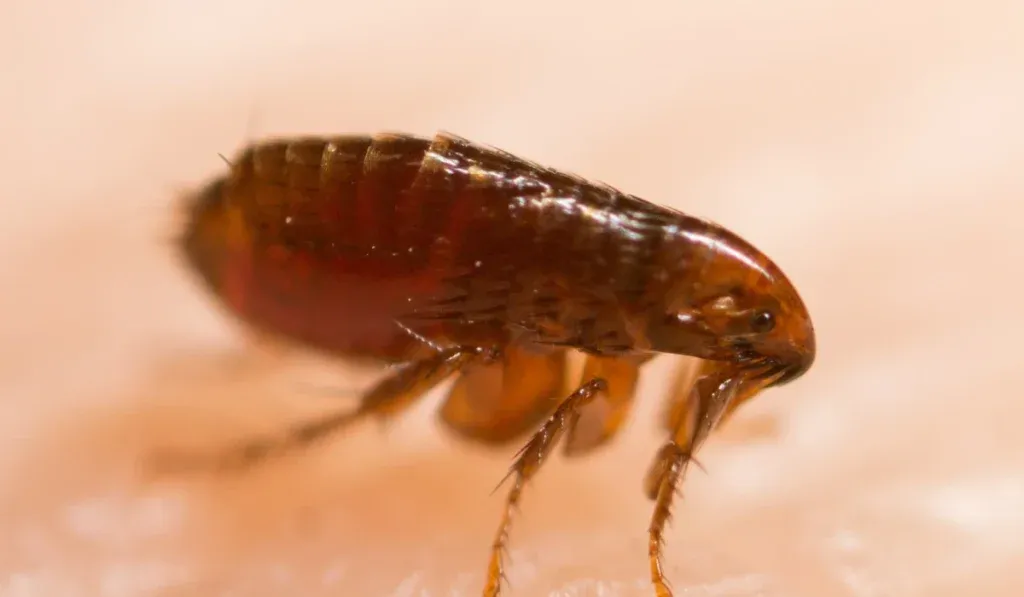

Bed bugs in Montana are an indoor problem, even during cold weather. They can arrive on luggage, clothing, furniture, bags, and other belongings, then hide around beds and furniture where people spend time resting. If you suspect bed bugs, start with identification rather than moving things out of the room. Live insects, shed skins, dark spotting, eggs, and marks on bedding can all point to activity. Knowing where to check and what to leave in place can make the next steps much easier.
Are Bed Bugs in Montana a Problem?
Bed bugs can be introduced into Montana homes when people travel, move, bring in furniture, or carry belongings from an affected location. They do not need to come in from the yard. Their ability to hide in luggage, clothing, bags, and furniture lets them move between buildings without being noticed.
A bed bug problem is not a sign of poor housekeeping. A clean home can still receive an unwanted hitchhiker. Once inside, bed bugs look for protected spaces close to people rather than dirty or neglected areas.
Travel and secondhand furniture deserve particular attention because both involve moving objects between locations. If something has been exposed to bed bugs, the insects can remain hidden in seams, joints, folds, or other small spaces until the item reaches a new home.
What About Montana Winters?
Cold outdoor weather does not make a heated home immune to bed bugs. An insect hidden inside a mattress seam, box spring, couch, wall gap, or piece of furniture is sheltered from the conditions outside.
Leaving a mattress or bag outdoors in freezing weather is not a dependable substitute for bed bug treatment. Controlled temperature methods depend on exposure conditions that are difficult to reproduce by setting household belongings outside.
The season should not change how you respond to indoor evidence. If you find live bugs, shed skins, eggs, or suspicious spotting in winter, inspect the area just as carefully as you would during warmer months.
What Do Bed Bugs Look Like?
Adult bed bugs are small, flat, oval insects with a reddish-brown appearance. Young bed bugs, called nymphs, are smaller and lighter, so they are easier to overlook during a quick inspection.
Their flattened shape helps them fit inside narrow seams, cracks, furniture joints, and other protected spaces. After feeding, the body can look fuller. Eggs and young nymphs are harder to spot than mature bugs, especially when they are tucked into fabric seams or gaps in furniture.
Do not rely on color or size alone if you find a small insect near your bed. Other household pests can be mistaken for bed bugs. If practical, capture the insect in a secure container or take a clear photo so it can be identified along with the surrounding evidence.
Signs of Bed Bugs in Montana Homes
Start your inspection where people sleep or rest. Mattress seams, box springs, bed frames, headboards, and nearby furniture deserve the closest look because they offer protected spaces near a host.
A single stain or bite does not tell you enough. Look for several types of evidence in the same area.
| Sign | What to Look For | Where to Check |
| Live bed bugs | Small, flat insects in protected spaces | Mattress seams, box springs, bed frames, headboards |
| Shed skins | Empty skins left as bed bugs develop | Mattress edges, furniture joints, cracks |
| Dark spotting | Small dark marks associated with bed bug waste | Seams, headboards, bedding, nearby furniture |
| Rusty or bloody marks | Spots that may appear on bedding | Sheets, pillowcases, blankets |
| Eggs or egg casings | Small, pale material in sheltered areas | Seams, cracks, furniture joints |
Finding more than one of these signs gives you a stronger reason to arrange an inspection.
Live Bugs, Shed Skins, and Eggs
Bed bugs shed their outer skins as they develop. Those empty skins may remain around mattress seams, bed frames, headboards, and upholstered furniture even when you do not see a live bug at that moment.
Eggs are easy to miss because they are small and may be tucked into protected gaps. Use a flashlight and take your time. Check mattress tags, seams, joints, screw holes, cracks, and the undersides of nearby furniture rather than looking only at open surfaces.
Dark Spots and Rusty Marks
Dark spotting on a mattress seam, headboard, or nearby furniture can be associated with bed bug waste. Rust-colored or bloody marks may also appear on sheets and blankets.
Treat those marks as a reason to inspect more closely. Stains can have other causes, so look for live insects, shed skins, or eggs nearby before assuming bed bugs are responsible.
Can You Identify Bed Bugs by Their Bites?
Bites alone cannot reliably identify a bed bug problem. People react differently, and some may show obvious skin irritation while others show little or no visible reaction.
The CDC’s information about bed bugs states that bed bugs are not known to spread disease to people. Bites can still cause itching and allergic reactions in some individuals, and scratching irritated skin can create additional problems.
If you wake up with unexplained bites, inspect the sleeping area for physical evidence rather than using the bite pattern as your diagnosis.
How Do Bed Bugs Get Into Montana Homes?
Bed bugs usually arrive with something that has been somewhere else. Luggage, backpacks, clothing, furniture, and other belongings can carry them from one location to another without the person handling the item realizing they are there.
Travel and Overnight Stays
When you stay away from home, pay attention to the area around the bed before unpacking. Mattress seams, the headboard, and nearby upholstered furniture are practical places to check for live insects or suspicious spotting.
Keep luggage away from the bed and upholstered seating when you can. After returning home, inspect your bags and travel items before putting them back into closets, drawers, or bedrooms.
Used Furniture and Household Moves
Inspect secondhand mattresses, couches, chairs, bed frames, dressers, and similar items before bringing them into your living space. Check seams, screw holes, drawers, joints, backs, and undersides, not just the clean-looking surfaces.
If you already suspect bed bugs in your home, avoid shifting furniture and belongings between rooms, storage areas, apartments, or vehicles. Moving infested items creates more places to inspect and treat.
Where Do Bed Bugs Hide?
The bed is the first place to check because bed bugs tend to remain close to places where people rest. Look along mattress seams and tags, inside and around box springs, at bed-frame joints and screw holes, and on both sides of the headboard.
Nearby furniture matters too. Nightstands, dressers, couches, upholstered chairs, picture frames, baseboards, curtains, and other narrow spaces can provide additional hiding areas.
Check Upholstered Furniture Carefully
A couch or recliner deserves the same attention as a bed if someone regularly naps or sleeps there. Inspect cushion seams, folds, creases, undersides, backs, and joints.
This is where a quick mattress check often falls short. If you find signs around the bed, widen the inspection to the furniture and protected gaps around the rest of the sleeping area.
What Should You Do If You Find Bed Bugs?
The first mistake to avoid is emptying the room in a rush. Carrying mattresses, bedding, furniture, or loose clothing through the house can move bed bugs with those items.
Keep potentially affected belongings in place while you confirm what you found. If possible, save a suspected insect in a secure container or photograph it clearly. Then focus on the sleeping area and the furniture immediately around it.
Handle Laundry With a Plan
Kodiak’s bed bug preparation instructions include laundering appropriate bedding, clothing, blankets, and other washable items and using a high-heat dryer setting. Prepared items are kept contained during treatment so they are not exposed again before the process is complete.
Laundry only addresses items that can safely go through that process. Bed bugs hiding in bed frames, furniture joints, baseboards, and other fixed areas still need attention.
Do Not Throw Away Furniture Automatically
Finding bed bugs does not mean your mattress or couch automatically belongs at the landfill. Dragging an affected item through a hallway, stairwell, vehicle, or another room can spread bugs beyond the original area.
Have the infestation assessed before deciding whether something needs to be discarded. Leaving the item in place until you have preparation and treatment instructions usually gives you more control over where the bugs may be located.
How Professional Bed Bug Treatment Works
Kodiak Pest Control begins bed bug service with an inspection to confirm the pest and determine where activity is occurring. Bed bugs are often confused with other pests, so identification comes before treatment.
Once bed bugs are confirmed, the customer receives preparation instructions. During service, technicians inspect and treat the places bed bugs commonly use for shelter, including mattresses, box springs, bed frames, headboards, furniture seams, drawers, upholstered furniture, cracks, and other protected areas identified during the inspection.
Follow-up is part of Kodiak’s treatment process. The service plan includes another treatment after the initial visit and a later inspection to check whether activity remains. The EPA’s guidance for getting rid of bed bugs also supports using multiple control measures, including inspection, monitoring, careful handling of belongings, laundering appropriate items, and targeted treatment.
How to Reduce Your Risk of Bringing Bed Bugs Home
Bed bug prevention is less about routinely treating your home and more about paying attention to belongings that move between locations.
After Travel
Inspect luggage before storing it. Look along seams, pockets, folds, and other protected areas where a small insect could remain hidden.
If you notice a suspicious insect or spotting, keep the bag away from bedrooms and other furniture until you determine what you found.
Before Bringing Home Furniture
Look closely at secondhand furniture before it comes inside. Upholstery seams, drawer joints, screw holes, undersides, backs, and cracks deserve more attention than the visible surfaces.
If you find signs that suggest bed bug activity, do not move the item from room to room while deciding what to do with it.
When You Find Early Signs
Live bugs, shed skins, dark spotting, or eggs around a sleeping area are stronger reasons to act than bites alone. Once you find physical evidence, keep affected belongings in place and arrange for proper identification.
That approach gives you a clearer picture of where the activity is concentrated and avoids creating new areas that may need inspection.
Getting Help With Bed Bugs in Montana
Bed bugs are easy to move and easy to miss. The most useful response is to confirm what you found, inspect the places where people sleep or rest, and avoid carrying potentially affected belongings around the home before you have a plan.
Kodiak Pest Control has more than 33 years of experience serving homes in Wyoming and Montana. If you find live bugs, shed skins, eggs, dark spotting, or other signs near a bed or upholstered furniture, contact Kodiak Pest Control to schedule an inspection and determine the right next step for your home.