Finding tiny bugs crawling on your sheets or bed frame can be alarming. Many homeowners assume the worst, and that reaction is understandable. Bed bugs are difficult to eliminate, stressful to manage, and easy to spread between rooms.
At the same time, many tiny bugs that look like bed bugs turn out to be harmless pests. Many people in Wyoming and Montana have called us for residential pest control, thinking they had a bed bug infestation, only to learn the pest was something else with very different habits.
That confusion arises because several household pests share similar sizes, colors, and body shapes. Some feed on stored food. Others live in walls or come from bird nests and attics. Knowing what you found helps you choose the correct response and avoid stress.
Key Takeaways
- Many tiny bugs that look like bed bugs are harmless household pests with very different habits
- Size, body shape, antennae, and where you find the bug offer important clues
- Not every bite or skin irritation points to bed bug bites
- Professional inspections help confirm identification before treatment starts
What Do Bed Bugs Actually Look Like
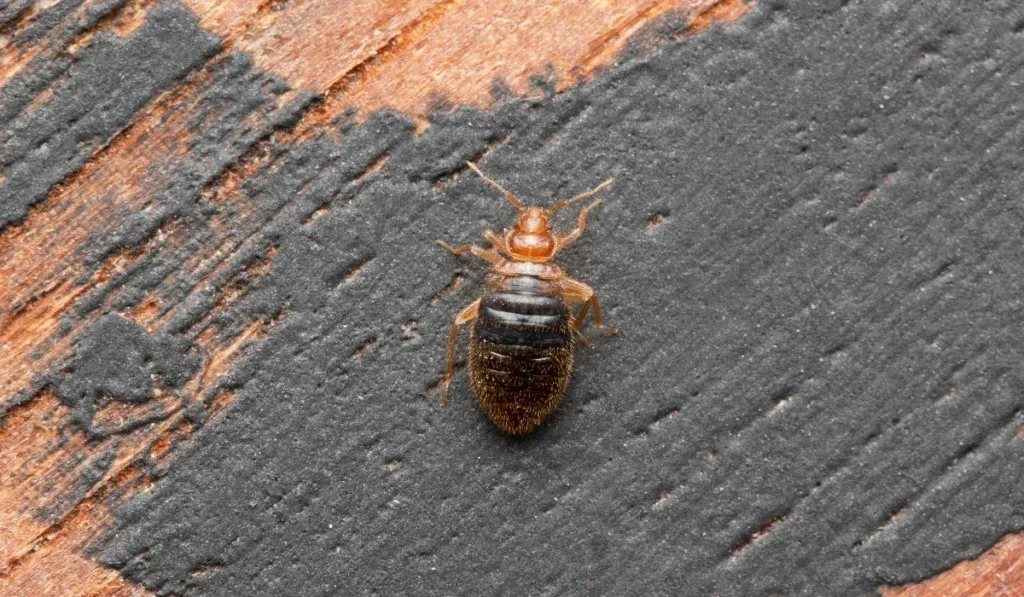
Before looking at bugs commonly mistaken for bed bugs, it helps to know what true bed bugs look like. Adult bed bugs have flat, oval bodies and a reddish-brown color. Many people compare their size to an apple seed, especially after a blood meal when they appear engorged.
Bed bug nymphs look similar but smaller and lighter, often pale yellow before feeding. You can sometimes see adult bed bugs with the naked eye, but the early stages are harder to spot. They hide in crevices near mattresses, furniture, and bed frames, which are common signs of a bed bug infestation, and come out at night to feed on human blood.
In the Big Horn Basin and along Montana’s Yellowstone Valley, several bed bug lookalikes show up more often than actual bed bugs. Cooler, drier climates push bats, birds, and rodents toward attics and eaves for shelter, and the insects that travel with them (bat bugs, swallow bugs, carpet beetles nesting in wool insulation) often turn up first. Homeowners across Billings, Cody, and Powell regularly call about “bed bugs” that turn out to be seasonal visitors instead.
Carpet Beetles
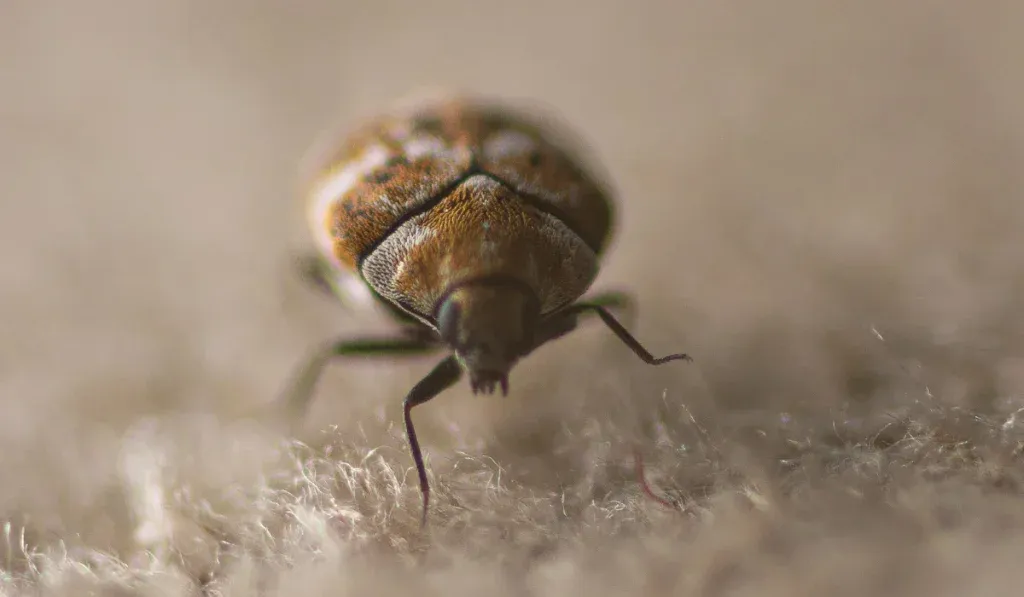
Carpet beetles are one of the most common bed bug lookalikes found in homes. Adult carpet beetles are round. Their larvae are small, fuzzy, and often mistaken for worms.
People often find them in wool carpets, clothing, and other natural fibers. Unlike bed bugs, carpet beetles do not feed on blood at any stage. Larval hairs and shed exoskeletons can cause skin irritation, which leads many people to mistake them for bed bug bites.
Bat Bugs
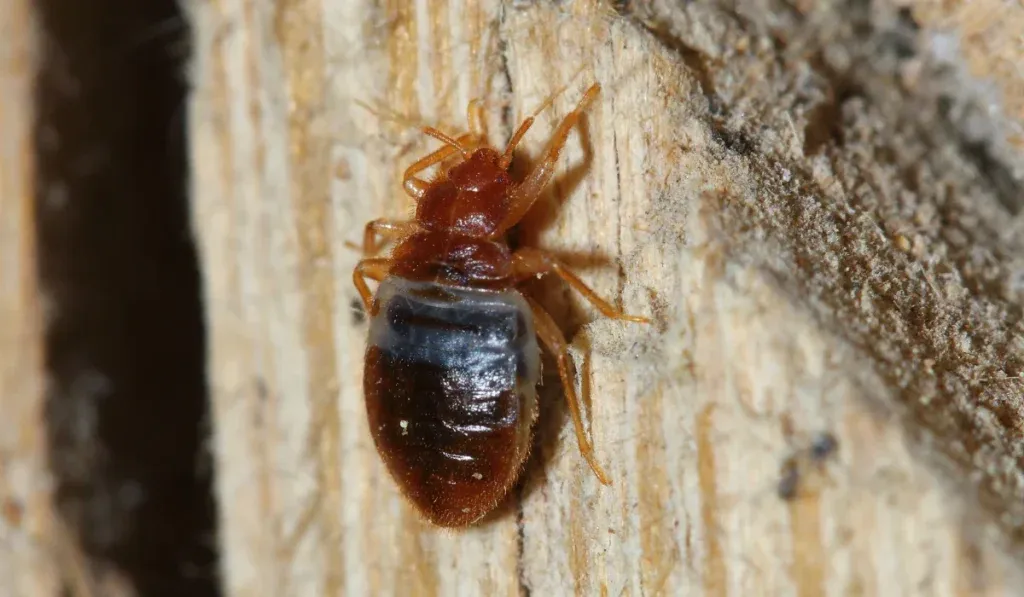
Bat bugs look almost the same as bed bugs and belong to the same insect group. The main differences include longer antennae and longer body hairs.
Bat bugs usually enter homes from attics or wall spaces after bats leave a nest. You may find bat bugs near bedrooms, but they usually feed on bats, not people. If bats or bird nests are nearby, bat bugs are more likely to be present. Effective pest management often includes sealing entry points and treating indoor areas.
Bat bugs are nearly identical to bed bugs, differing mainly in antennae length and body hair — details that are hard to judge without magnification. DIY identification works for the obvious cases; it reaches its limit when two species look almost the same but need different treatment. That’s the point where a second opinion matters more than another guess. Schedule a free inspection and we’ll confirm it for you.
Swallow Bugs
Swallow bugs are another close relative of bed bugs. They often come from bird nests under eaves or inside vents.
Swallow bugs are similar in size and shape, which causes confusion. These bugs may bite people after the birds leave the nest. Removing bird nests and sealing entry points helps stop the problem. A professional inspection helps confirm the source before extermination or treatment starts.
Cockroach Nymphs
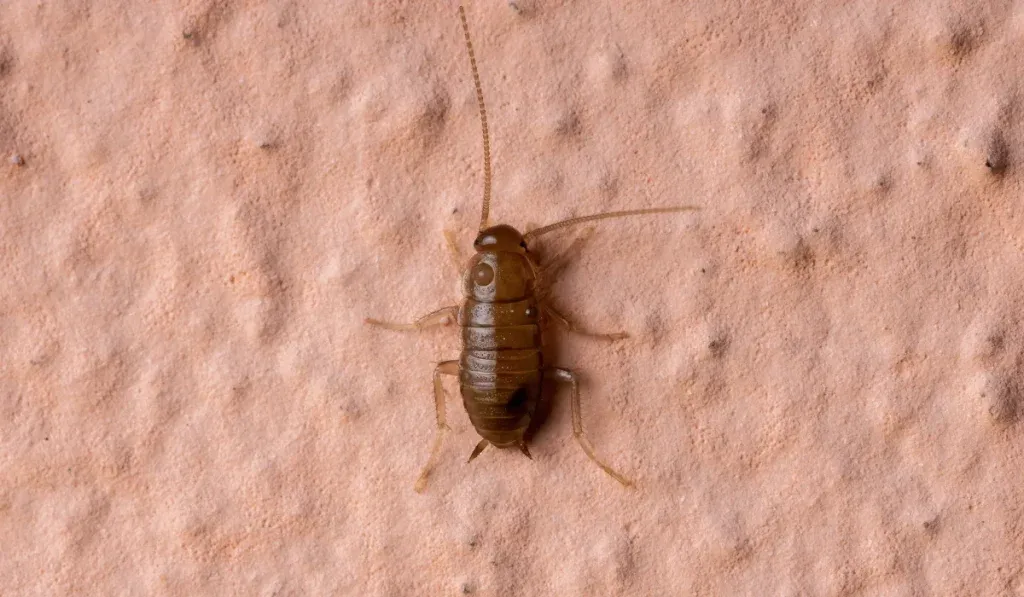
Cockroach nymphs, or baby cockroaches, often cause concern because of their small size and dark brown color. Roaches have long antennae and longer bodies than bed bugs.
Unlike bed bugs, cockroaches are scavengers that search for crumbs, grease, and other food sources. You usually find cockroach nymphs in kitchens, pantries, or bathrooms, not beds. Their fast movement and long legs help identify them.
Spider Beetles
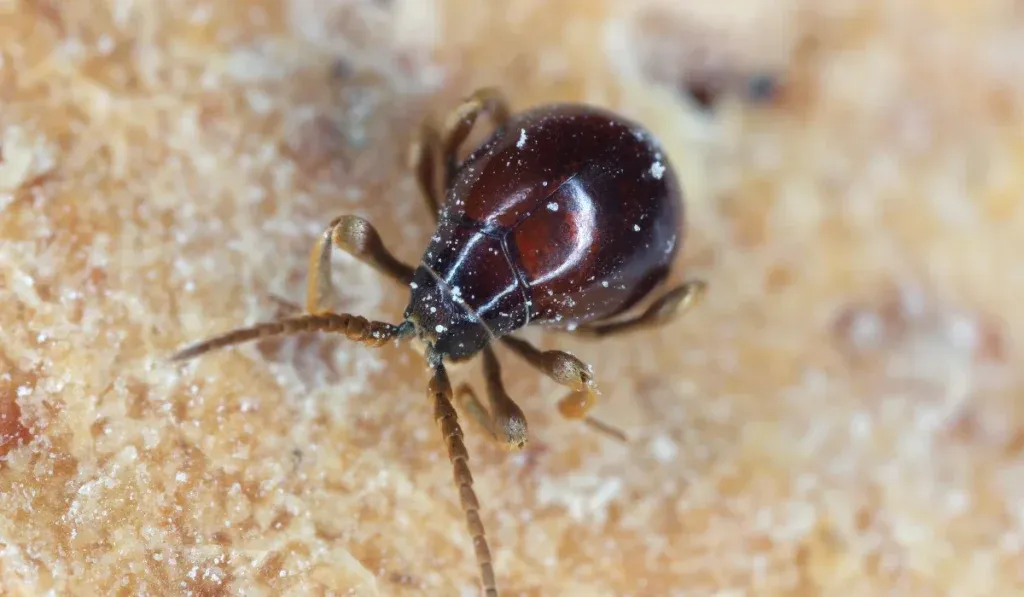
Spider beetles have round, shiny bodies and long legs that make them look like tiny spiders. Although they may look similar at first, spider beetles are not bloodsucking pests.
They usually infest pantries and eat stored food. Their round shape and movement make them easy to tell apart from bed bugs.
Booklice
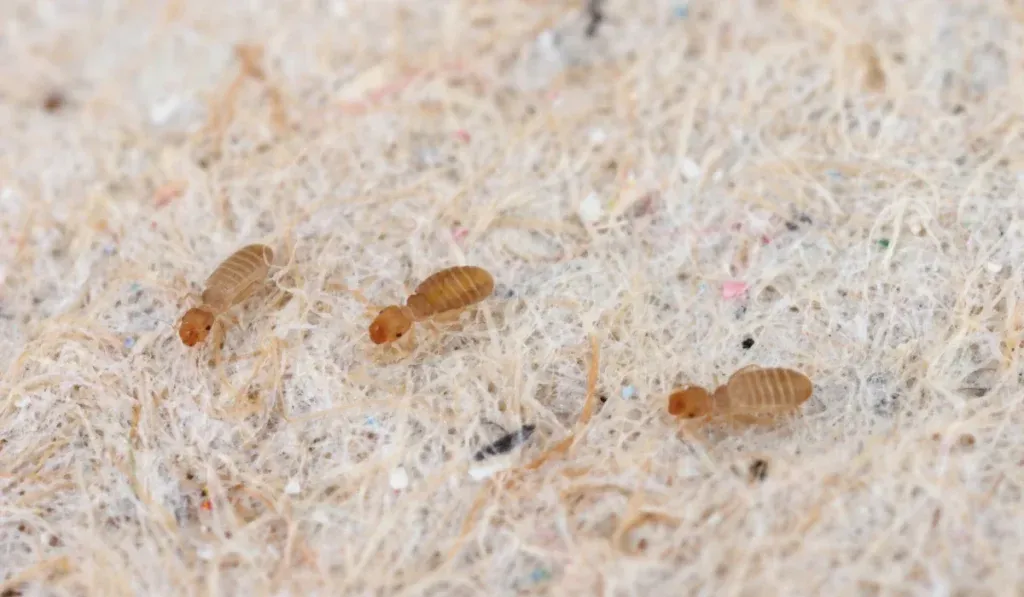
Booklice are tiny insects that live in damp areas. They often appear pale yellow or light brown and are smaller than bed bugs.
You may find booklice near books, basements, or damp bathrooms. They do not bite or feed on blood, even though they may look like bed bugs on walls.
Fleas
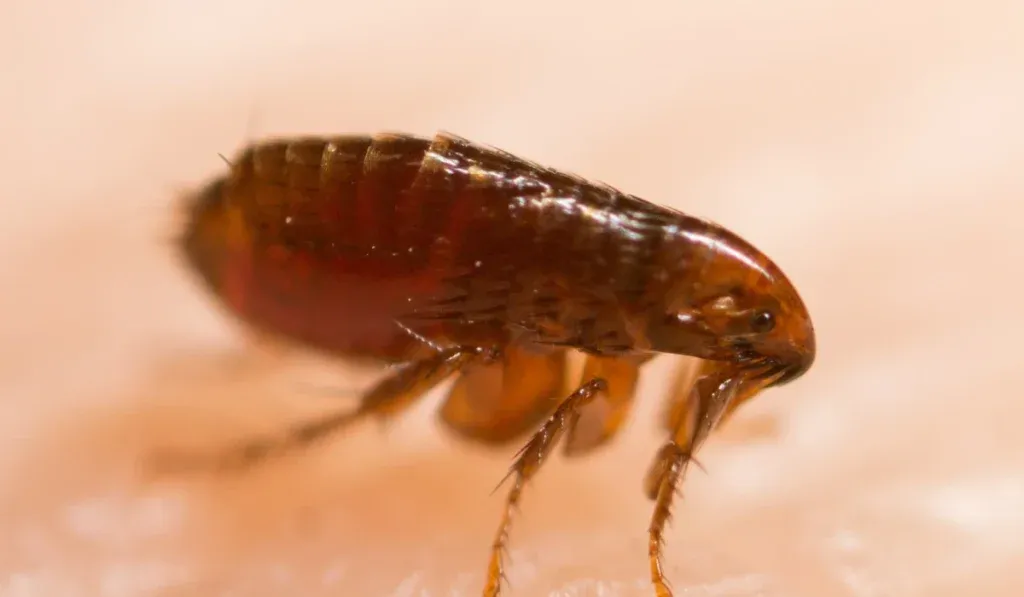
Fleas often cause confusion because they are small and cause itchy bites. Fleas have flat sides and jump, while bed bugs crawl.
Flea bites often show up around the ankles and lower legs. Fleas feed on blood from pets, wildlife, and people. If pets scratch and bugs jump, fleas are likely.
Head Lice

Head lice rarely infest beds, but people still confuse them with bed bugs. Lice are smaller and cling to hair instead of hiding in furniture.
They feed on blood and stay close to the scalp. Finding bugs only in hair points away from bed bugs.
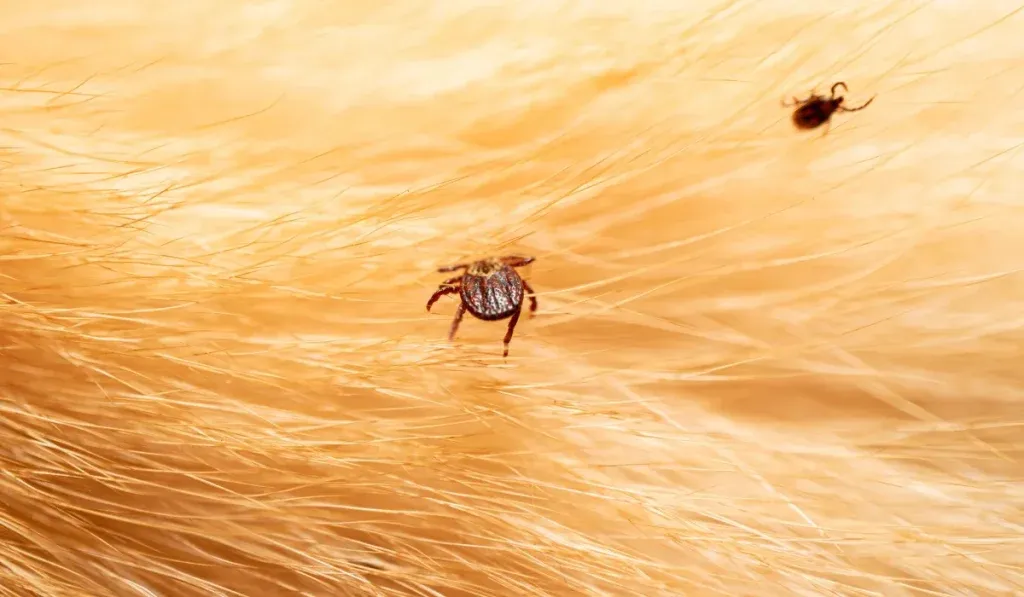
Ticks
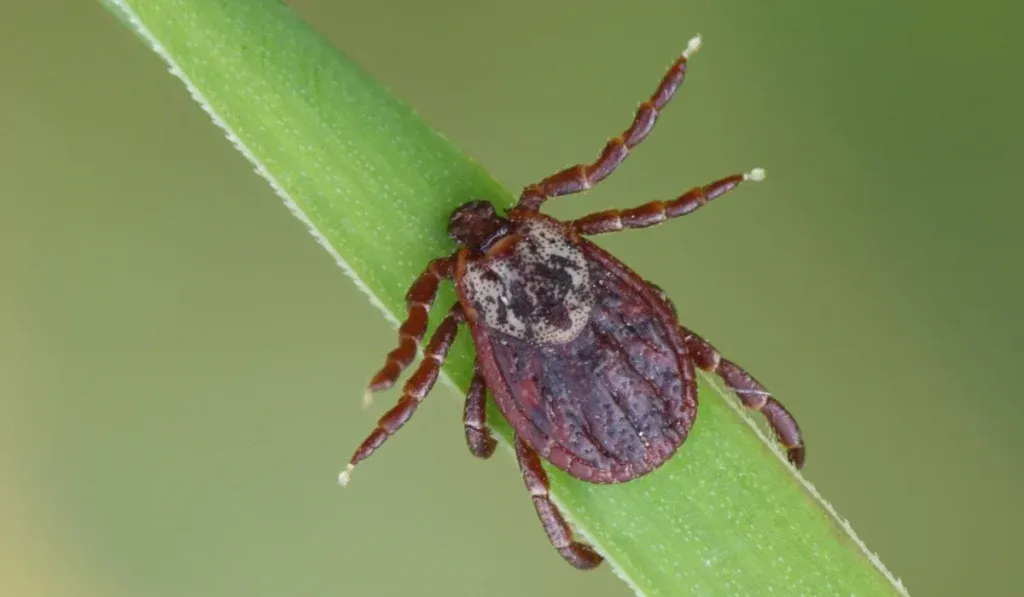
Ticks are not insects. They have eight legs instead of six. Some ticks appear dark and swollen after feeding, which can cause confusion.
Ticks usually enter homes on pets or after outdoor activity. They attach to skin instead of hiding in beds or furniture.
How To Confirm What You Found
When homeowners ask if bed bugs look like other pests, the answer is yes, and details matter. Check antennae length, body shape, movement, and where you found the bug.
Understanding where bed bugs come from also helps. Bed bugs usually arrive through luggage, furniture, or guests, not from outdoors or nests, which is why some people look into prevention options like scents that keep bed bugs away. If bugs appear after travel or after you bring in new furniture, suspicion increases.
When To Call For Help
If you feel unsure after checking the bug, contact pest control services for help. At Kodiak Pest Control, our inspections focus on identifying the pest before recommending treatment. That approach saves time, money, and stress.
Many people worry about allergic reactions or skin issues, but not every bite comes from bed bugs. Confirming the pest allows technicians to address the root cause without unnecessary treatment.
Making The Right Identification Choice For Your Home
Finding tiny bugs in your home can feel stressful, especially when you worry about bed bugs. Many cases involve other household pests that need different solutions.
By identifying key differences and seeking professional confirmation when needed, people reduce stress and protect their homes. If you suspect similar bugs in your home, our team at Kodiak Pest Control offers free inspections to give clear answers.
Still Not Sure What You Found?
Identifying a lookalike is the first step, but confirmation is what protects your home and your budget. Whether the bug turns out to be harmless or something that needs immediate attention, a free inspection removes the guesswork before you spend on the wrong fix.
Call (307) 250-5356 | Schedule a Free Inspection
FAQs
How can you tell bed bugs apart from other small bugs?
You can tell bed bugs apart by their flat, oval-shaped body, reddish-brown color, and habit of hiding near sleeping areas. Other small bugs often have long antennae, different body shapes, or prefer pantries and moisture-prone spaces instead.
Can bugs that look like bed bugs still cause bites?
Yes, some bed bug lookalikes can cause bites or skin irritation. Fleas, ticks, and bat bugs may bite, while others, like carpet beetle larvae, irritate without biting. Bite location and bug behavior offer helpful clues.
Do you always need pest control to identify bed bugs?
While homeowners can sometimes identify pests themselves, professional pest control inspections help confirm their presence. Accurate identification prevents unnecessary treatments and helps professionals apply the right solution from the start.