
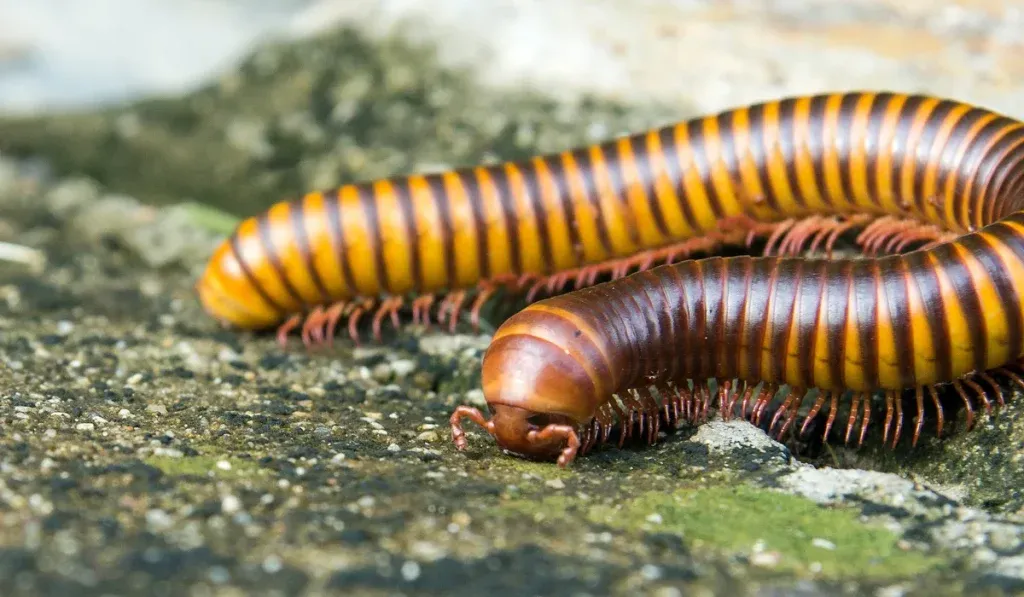
If you’ve ever spotted a creepy crawler in your basement in the Big Horn Basin or Billings, chances are you’ve wondered if it’s a centipede or a millipede.
Both of these arthropods are common here in Montana; they behave differently and enter homes for different reasons. Knowing what you’re dealing with can help you choose the right approach, whether that’s a DIY fix or calling a pro like Kodiak Pest Control.
Let’s break down the difference between centipedes vs millipedes so you know what’s living rent-free in your home, and how to evict it.
Key Takeaways
- Centipedes are fast-moving carnivores, while millipedes are slow-moving detritivores.
- Millipedes curl up when disturbed, but centipedes run for cover.
- House centipedes can bite, while millipedes release a smelly secretion.
- Kodiak Pest Control covers both in our regular service, so you’re covered either way.
What Are Centipedes and Millipedes?
Both centipedes and millipedes belong to the group of arthropods known as myriapods. With long segmented bodies and tons of legs, they often get confused. But these two critters live very different lives, and knowing the difference makes a significant impact on how you manage them.
Centipedes: The Speedy Predators
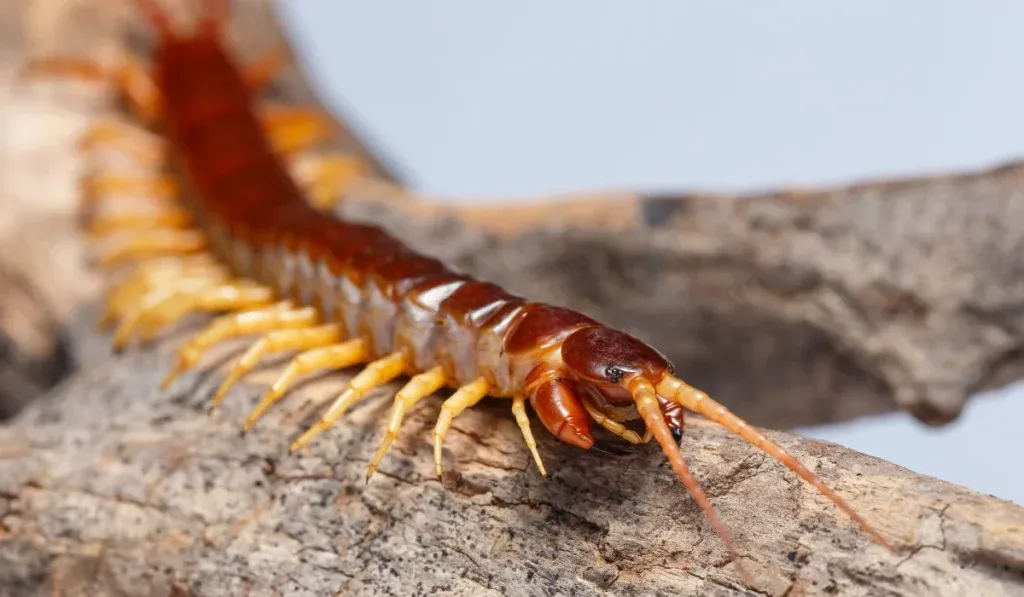
Centipedes are part of the class Chilopoda, known for their flattened bodies, quick movements, and sharp hunting skills. One of the most common species of centipedes you’ll find in homes around Billings is the house centipede, or Scutigera coleoptrata.
Each body segment has a single pair of legs, which gives them their unmistakably fast and slithery look. They have long antennae and prefer to hunt small insects like cockroaches, silverfish, and even termites. They’re not looking for you, but they might give you a scare.
Most centipedes are harmless to humans, though a centipede bite can feel like a mild bee sting. It’s not dangerous, but it’s not fun either.
Millipedes: The Slow Rollers
Centipede or millipede? On file
Two long, leggy basement crawlers, two very different stories. Here is who is just passing through and who might give you a nip.
Centipede
The speedy predator
Millipede
The slow roller
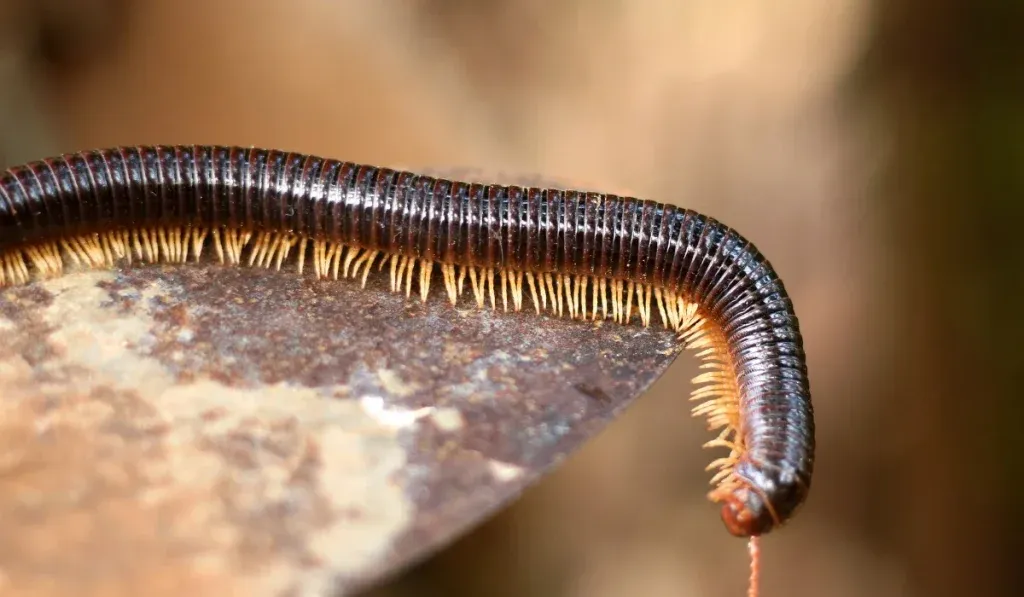
Millipedes belong to the class Diplopoda. Unlike centipedes, they move slowly and feast on plant matter and decaying organic matter like leaf litter and mulch. Every body segment has two pairs of legs, making them rounder and less mobile.
They don’t bite. When threatened, they curl up and may release a secretion that smells unpleasant but isn’t harmful. Most species of millipedes in Montana are dark brown or black and can appear in large numbers, especially after heavy rain.
| Feature | Centipede | Millipede |
|---|---|---|
| Legs per body segment | 1 pair | 2 pairs |
| Speed | Fast | Slow |
| Diet | Carnivore | Decomposer |
| Defense | Bite | Smelly secretion |
Why Are They in My Basement?
Both bugs, such as cool, damp places like basements, crawlspaces, and bathrooms, are ideal for myriapods. After a significant rain, millipedes may head indoors to escape wet soil. Centipedes, meanwhile, follow the food. If you’ve got bugs, they’ve got business.
They often sneak in through crevices, foundation cracks, or gaps in door frames. Once inside, they may stick around if conditions are right.
Are They Considered Pests?
Centipedes and millipedes are both part of the myriapod group, but only centipedes tend to spark concern.
That’s because they’re fast, surprising, and may bite. Millipedes mainly feed on plant matter and decaying leaves, so unless they’re showing up in big numbers indoors, they’re usually more of a nuisance than a real threat.
Still, both can signal larger issues, such as moisture problems, poor drainage, or pest infestations like ants or termites. In that sense, they’re part of the bigger pest management picture. If you want to avoid using pesticides too often, staying ahead of these habitat and food source issues is key.
Kodiak Pest Control focuses on proactive treatment. We don’t just spray; we inspect, seal, and build out long-term solutions to keep myriapods and their food sources away from your living space.
Life Cycle and Behavior
Centipedes
Centipedes lay eggs in damp places, such as leaf litter, mulch, and cracks in the ground. They go through several molts before reaching adulthood and can live for a few years. Most are nocturnal, so if you see one during the day, there are probably more hiding.
Millipedes
Millipedes also molt, but spend most of their life in soil or under debris. Their larvae hatch looking like mini adults. With the proper moisture and food, they can quickly grow into a small army in your basement.
How to Prevent Centipedes and Millipedes
You don’t need a cabinet full of pesticides to get ahead of these bugs. Here are some steps that work well in Montana’s climate:
- Caulk gaps in your foundation and around windows
- Remove excessive leaf litter, mulch, or plant matter near entry points.
- Use a dehumidifier in moist spaces.
- Store firewood and compost piles away from the house
- Address standing water after heavy rain
These are simple, effective ways to cut off access and limit habitat.
Kodiak Pest Control Has You Covered
We include both centipedes and millipedes in our standard Unlimited Pest Control service. That means whether it’s a one-off visitor or an emerging infestation, we’ll help you stop the problem before it gets worse.
Unlike companies that just treat the edge of your foundation, Kodiak Pest Control treats deeper into your yard and landscaping. Our technicians focus on actual harborage zones, the spots where pests live and breed, so you don’t have to fight them inside.
Whether you’re in Powell, Cody, Worland, or over in Billings, just give us a call because we’ve got your basement bugs under control.
FAQs
What attracts centipedes and millipedes to my house?
Moisture is the big one. Centipedes also hunt other bugs, so if you’ve got a bug buffet inside, they’ll find it.
Are centipedes dangerous?
Not really. Their bite feels like a mild bee sting, but they don’t spread disease or damage your home.
Do I need pest control for millipedes?
If you’re seeing large numbers regularly, especially indoors, it’s a sign of a moisture issue or a habitat problem around your foundation. Kodiak can help get to the root of it.




