
Cockroach Lifespan can create costly problems when early signs are missed. Learn what to look for, why it matters, and when to call Kodiak Pest Control.
Key Takeaways About Cockroach Lifespan
- Cockroach lifespan varies by species, with some adult cockroaches living up to a year under favorable environmental conditions.
- German cockroaches are the primary indoor cockroach species in the Kodiak Pest Control service area, and they can reproduce quickly once established in a home.
- Cockroach life cycle stages, hiding behavior, and feeding habits all influence how long an infestation can persist and how difficult it may be to address.
- Reducing food sources, moisture, and clutter in your home can help limit cockroach populations, though professional treatment is often needed for established infestations.
How to Identify Cockroach Lifespan
Understanding cockroach lifespan starts with knowing which species you are dealing with. In our service area, German cockroaches are the species you are most likely to encounter indoors. They are hitchhiking pests brought into your home on furniture, appliances, bags, and other items. According to Purdue Extension, the German cockroach is found worldwide, and adults measure about 1/2 to 5/8 inch long with two dark stripes on the upper portion of the thorax.
Female German cockroaches can live between 140 and 280 days, while males tend to live between 90 and 140 days. That lifespan matters because this species has the fastest reproductive cycle of all common pest cockroach species. A single female and her offspring can produce over 30,000 individuals in a year.
How to Tell Cockroach Lifespan Types Apart
Cockroach species fall into two broad groups based on where they live. Some species, such as American, Oriental, and Turkestan cockroaches, live outdoors but can temporarily move inside. Others, including German and brownbanded cockroaches, live and breed entirely indoors. The Asian cockroach stands out because it readily flies and is attracted to light, which is rare among cockroach species.
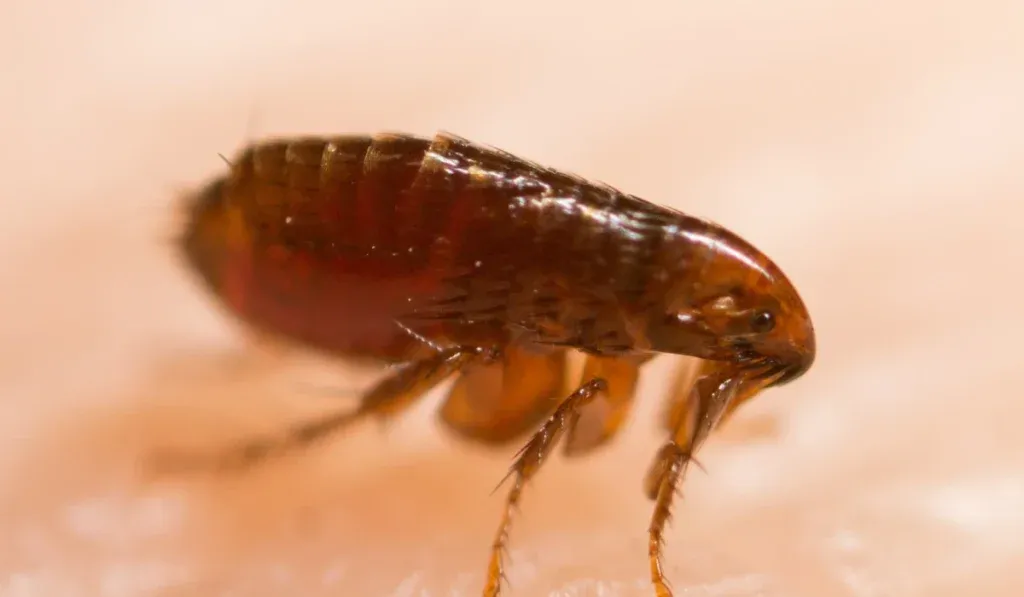
German cockroaches are light brown to tan with two dark stripes on their backs. They have oval-shaped bodies, six legs, and two long antennae. Males are thinner with tapered rear ends, while females are wider and thicker with rounded rear ends.
How to Spot Cockroach Lifespan Activity Inside Your Home
German cockroaches prefer warm, humid areas and are almost always found indoors. Look behind cabinets, inside appliances, and inside walls. They prefer dark, secluded places where they can feed undisturbed. Eggs hatch in about two weeks under typical indoor conditions at room temperature, so new nymphs can appear quickly once a population is established.
One female produces an egg capsule containing 35 to 40 eggs and carries it for about a month until hatching. It takes six weeks to six months for a German cockroach to reach maturity, depending on conditions.
Where Cockroach Lifespan Activity Shows Up Around Homes
Because German cockroaches breed entirely indoors, activity concentrates in kitchens and bathrooms. Crumbs, grease, and food debris on dirty dishes can sustain them indefinitely. Water sources and leaks also support their survival. In apartment buildings, they can move between units through shared plumbing, pipes, electrical sockets, and light switch plates.
Exterior Entry Points Cockroach Lifespan Use
German cockroaches do not typically enter from outdoors on their own. They are brought into your home in boxes, bags, luggage, furniture, and other items. Inspecting furniture, boxes, and appliances before they enter your home for the first time can help you catch them before they settle in.
Why Cockroach Lifespan Problems Develop
A cockroach lifespan long enough to overlap with multiple generations is what turns a few hitchhikers into a persistent indoor problem. German cockroaches live and breed in indoor locations associated with food preparation, according to UC IPM. Understanding what draws them in and how they move helps you stay ahead of an infestation.
Outdoor Nesting Areas for Cockroach Lifespan
German cockroaches are not naturally occurring outdoors in the Kodiak Pest Control service area. They arrive as hitchhiking pests on furniture, appliances, and other items. Unlike American cockroaches, whose life cycle from egg to adult averages about 600 days with an adult lifespan that may reach another 400 days, German cockroaches complete their development much faster and stay inside once introduced.
Food and Shelter That Attract Cockroach Lifespan
German cockroaches gravitate toward kitchens and bathrooms. Accessible food and moisture give each adult female time to produce four to eight egg capsules during a lifespan that can stretch up to a year, as Purdue Extension notes.
Removing accessible food and fixing water leaks reduces what keeps cockroaches thriving through their full reproductive cycle. Good sanitation shortens the window they have to establish themselves.
How Cockroach Lifespan Move Around Homes
In apartment buildings, German cockroaches may spread through shared walls, pipe chases, and electrical openings. Because it takes only 40 to 125 days for an egg to mature into an adult, a single introduction can grow quickly once the roaches settle near reliable shelter.
Trails and Entry Points Cockroach Lifespan Use
Once inside, cockroaches follow paths between harborage areas and nearby resources. These routes allow them to spread through a structure over time. American cockroach females may form two egg cases per week at peak reproductive periods, and German cockroach females can produce hundreds of thousands of offspring per year. Inspecting items before bringing them into your home is one of the most practical ways to prevent an introduction.
Risks From Cockroach Lifespan
A cockroach lifespan that stretches across several months gives each individual plenty of time to create problems in your home. That window is long enough for ongoing contamination of food-prep surfaces and living spaces.
Health Risks Linked to Cockroach Lifespan
German cockroaches can carry and transmit diseases and pathogens dangerous to humans, including salmonella. They spread disease-causing organisms over countertops, kitchen tables, and foods. Diseases linked to cockroach activity include dysentery, typhoid fever, cholera, salmonellosis, gastroenteritis, leprosy, and plague.
The proteins found in cockroach saliva are particularly allergenic, and there is a strong association between the presence of cockroaches and increases in the severity of asthma symptoms. Because each cockroach can live for months, even a small number of individuals may contribute to prolonged allergen exposure in your home.
Property Damage From Cockroach Lifespan
Cockroaches eat many kinds of materials. According to Purdue Extension, they are especially fond of starches, sweets, beer, and meat products, but they also feed on leather, bakery products, flakes of dried skin, dead animals, and plant materials. Over weeks and months of feeding, cockroaches can soil stored goods and leave droppings in dark, narrow cracks and crevices where they hide.
Food Areas and Cockroach Lifespan Activity
Kitchens and pantries are primary activity zones. With females living up to 280 days, a single cockroach generation can forage across your food-prep areas for months before the next generation hatches and continues the cycle.
Each egg capsule contains 30 to 48 eggs, and nymphs shed their skins five to six times before reaching adulthood. That overlapping development means food areas may host cockroaches at every life stage at once.
When to Look Closer at Cockroach Lifespan Activity
Because cockroaches hide in dark, narrow cracks and crevices, you may not notice them until the population has had time to grow. If you spot even one cockroach, it is worth checking behind cabinets, inside appliances, and inside walls. Gel baits applied inside structures can help manage German cockroaches and draw them out of hiding places.
Professional Pest Control for Cockroach Lifespan
Because German cockroaches can live for several months and reproduce quickly, shortening their lifespan in your home requires more than a single quick fix. According to Texas A&M AgriLife Extension, cockroaches are best controlled through an integrated approach that combines inspection, sanitation, exclusion, and the use of low-toxicity products.
How to Reduce Attractants for Cockroach Lifespan
Sanitation is one of the strongest tools for limiting how long cockroaches can thrive indoors. Cleaning up food residue and dirty dishes removes the resources that sustain German cockroaches indefinitely. Reducing moisture makes your home less hospitable.
Also inspect new furniture, boxes, and appliances before bringing them inside, since German cockroaches commonly arrive on those items.
Why Cockroach Lifespan Control Starts With Inspection
German cockroaches tend to gather in corners, such as the back of cabinets or drawers, and generally travel along edges like baseboards. According to Purdue Extension, they are most active during the night, which means an infestation can grow for weeks before you notice it. A thorough inspection targets these hiding spots so treatment can be directed where it matters most.
In our service area, the only cockroaches that occur are German roaches. Knowing exactly where they are hiding helps a service professional plan the right approach from the start.
What to Expect During Professional Cockroach Lifespan Treatment
Kodiak Pest Control uses Alpine WSG, a non-repellent product designed to work slowly enough that cockroaches carry particles back to other harborage areas, where it can reach a larger portion of the population. Because it is non-repellent, it does not push roaches into other parts of the structure.
We also use Advion Roach Gel, a gel bait that draws roaches out of hiding places. Glue boards are placed for monitoring. As Texas A&M AgriLife Extension notes, sprays are not nearly as useful as baits for addressing German cockroach infestations, which is why a bait-centered approach is central to our process.
What to Expect From a Cockroach Lifespan Control Plan
In most cases, a single application will not fully resolve the problem. A second treatment is necessary to address newly hatched nymphs and reproductive females. While the roach population typically decreases after the initial visit, you may still see a few active roaches up until about 10 days after the second treatment.
Before each visit, you will need to prepare your home. This includes emptying all kitchen and bathroom cabinets and drawers, vacuuming and wiping them with a clean damp cloth, and clearing floors of clothing and toys. Do not use any cleaners, soaps, or store-bought sprays, as these can counteract the bait. Pets should be removed until treated areas have dried, which takes approximately 45 minutes, and you should plan to be out of the home for about two hours.
Bottom Line on Cockroach Lifespan
Cockroach Lifespan varies by species and environment, but understanding how long these pests live helps you appreciate why infestations can persist. German cockroaches, the primary indoor species in the Billings, MT and surrounding areas, can live several months as adults, and females may produce multiple egg capsules during that time. Good sanitation, removing food and water sources, and inspecting items you bring into your home are your first lines of defense.
When cockroaches have already settled in, a structured treatment approach using gel baits and non-repellent products often requires more than one application to address newly hatched nymphs. If you are dealing with a cockroach problem, reach out to Kodiak Pest Control to request a quote for your home.
Frequently Asked Questions
How Long Can a Cockroach Live Indoors?
German cockroach females can live up to 280 days, while males typically survive 90 to 140 days. Warm indoor conditions with access to food and moisture can support their survival throughout that range.
Why Does a Second Treatment Matter?
A single application will not completely address the problem. A second treatment targets newly hatched nymphs and reproductive females. You may still see a few active cockroaches up until about 10 days after that visit.
How Do Cockroaches Get Into a Home?
German cockroaches are hitchhiking pests. They can arrive in boxes, bags, luggage, furniture, and appliances. In apartment buildings, they may also spread through shared plumbing, pipes, and electrical outlets.
What Can Homeowners Do to Prevent Cockroaches?
Practice good sanitation by cleaning up food residue promptly and keeping dishes washed. Check for water leaks and inspect any new furniture, boxes, or appliances before bringing them inside.