You notice itchy flea bites on your ankles. Then you spot flea dirt on your dog’s bedding. A clear question follows. Does the dryer kill fleas, or are laundry loads a waste of time?
This question comes up frequently among homeowners across the Big Horn Basin and Billings, Montana, especially during the cooler months, when a dog flea is carried indoors. Fleas may be small, but they spread fast. Once they settle in, a problem can grow quickly.
The good news is that heat kills fleas, but only when used properly. This guide explains how pest control professionals approach residential pest control, how to use dryers to stop fleas, what to wash first, and why laundry alone does not solve the problem.
Key Takeaways
- High heat in the dryer can kill fleas at all life stages when used correctly
- The dryer matters more than the washer for stopping flea eggs and pupae
- Pet bedding, soft furnishings, and clothing need priority treatment
- Laundry alone will not stop a flea infestation without floor and pet care
Video: Fleas vs Bed Bugs
This short video breaks down the difference between fleas and bed bugs, which homeowners often confuse early on. It shows how flea bites, flea dirt, and movement patterns compare to bed bugs, helping you avoid treating the wrong pest and missing the real flea problem.
Does the Dryer Kill Fleas or Just Slow Them Down
Here is the clear answer most people want. Yes, the dryer kills fleas when you use the correct heat setting for long enough. Heat is one of the most reliable ways to kill fleas indoors without sprays.
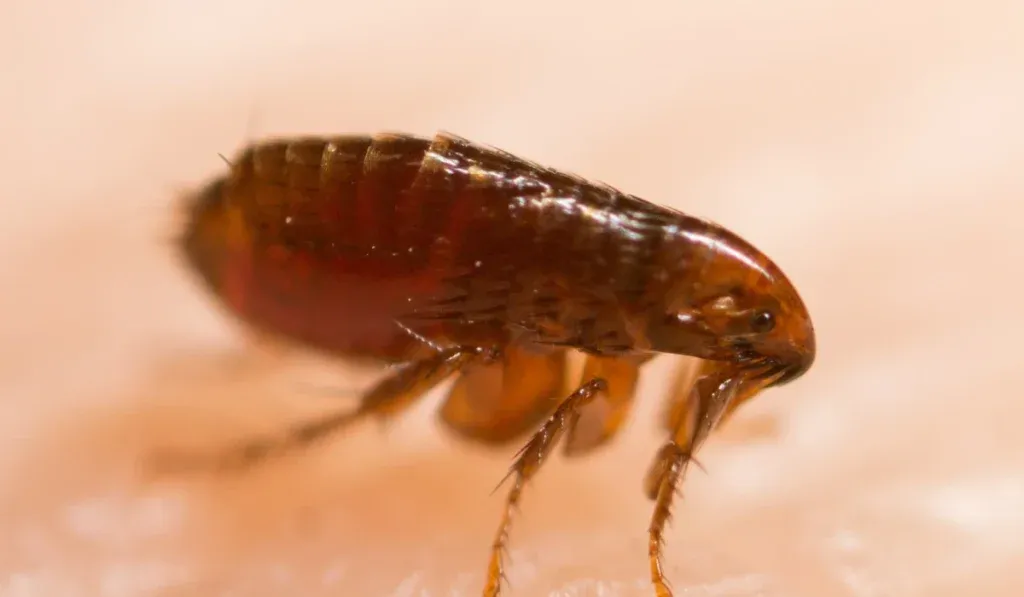
Adult fleas, flea larvae, flea eggs, and flea pupae all struggle to survive steady heat. When temperatures rise above what fleas can handle, heat causes rapid dehydration and body damage. A short tumble on low heat does not work.
The dryer works better than the washer because the water temperature changes during wash cycles. Even hot water may cool too quickly to kill fleas hidden deep in fabric. The dryer provides consistent heat to complete the job.
What Temperature Actually Kills Fleas
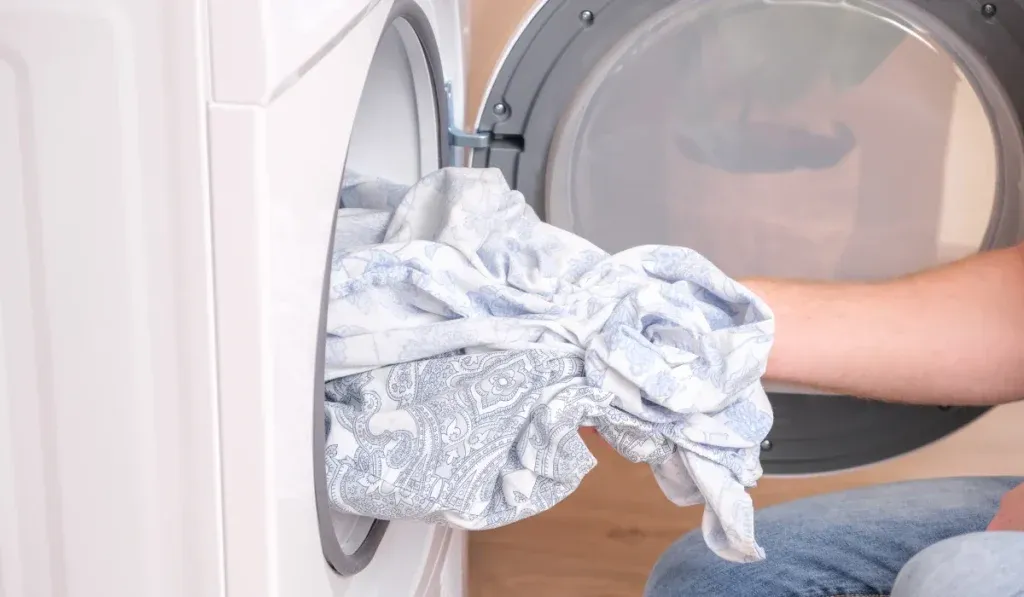
Fleas begin to die when temperatures remain above 95 degrees, but a brief exposure does not resolve the problem. To kill fleas at every life stage, run the dryer on high heat for at least 30 minutes after clothes are fully dry.
This extended heat breaks through the cocoons that protect pupae and damages flea eggs before they hatch. If even a few eggs survive, fleas can return.
If you use a washer first, choose hot water when possible. Think of the washer as a cleaner and the dryer as the flea killer.
What You Should Always Put in the Dryer
Start with items fleas use the most.
Pet bedding comes first. Pets spend hours there, shedding flea eggs and larvae into the fabric. Wash and dry bedding every few days during a flea problem.
Next, wash soft items like throw blankets, couch covers, and small area rugs that fit in the machine. Fleas hide in fibers near places where pets sleep or people relax.
Clothing matters too, especially socks, pants, and pajamas. Flea bites often appear around the ankles because fleas jump from the floor. Drying worn clothing helps prevent fleas from spreading.
What the Dryer Cannot Reach
Laundry helps, but fleas do not live only in clothes. Most flea larvae settle into carpets, cracks, and crevices near baseboards and furniture. Ignoring these areas is why people struggle when they only wash items and skip floors.
Vacuuming pulls flea larvae, eggs, and flea dirt out of carpet fibers. Use slow passes and hit edges where carpet meets walls. When you finish, seal the vacuum bag in plastic bags and toss it outside. If you use a canister, empty it immediately.
For homeowners asking how to get rid of fleas in your carpet, laundry plus vacuuming works better together than either method alone.
Understanding the Flea Life Cycle
Fleas pass through several life stages, and each stage acts differently. Adult fleas live on pets and bite people. Female fleas lay eggs that fall into carpets and bedding. These eggs turn into larvae that avoid light and feed on organic debris.
Next comes the pupal stage. Pupae wrap themselves in tough cocoons. This stage leads to re-infestation because pupae can wait weeks before hatching when they detect nearby movement.
High heat disrupts this cycle when applied long enough. Short dryer cycles fail because they do not break through the cocoon stage.
DIY Flea Control That Supports the Dryer
Some home steps support dryer use, but do not replace full flea control.
Dish detergent mixed with warm water can trap adult fleas during pet baths. It works by trapping fleas in soapy water, but it does not replace proper pet flea treatments.
Diatomaceous earth often comes up in flea advice. It can harm flea larvae, but it stops working when wet and creates dust risks indoors. Use caution when handling any powder in living spaces.
These methods can reduce flea numbers, but even a basic repellent will not stop a whole flea problem on its own.
Why Fleas Keep Coming Back
Many homeowners ask where fleas come from after they clean everything. Fleas hitch rides on pets, wildlife, and even pant legs when conditions line up. Tapeworms can also enter the picture when pets swallow infected fleas, adding another reason to act fast.
Fleas return when one step gets missed. A skipped couch cushion, a vacuum bag left inside, or a dryer setting run too low gives fleas another chance.
When fleas spread across multiple rooms, homeowners often turn to professional pest control. Treatments focus on floors, crevices, and yard edges where fleas thrive.
When Laundry Is Not Enough
If you still see adult fleas after multiple drying cycles, or flea bites keep showing up, it is time to think bigger. Flea spray alone rarely addresses the root cause, and insecticides require proper placement to work effectively.
Our team handles flea problems by looking beyond the home. Treating yards, shaded areas, and animal pathways cuts off the source, which helps indoor efforts actually stick.
This layered approach prevents flea populations from rebuilding once you think you have finally gotten rid of them.
Making the Right Choice for Flea Control in Wyoming and Montana
Flea problems often persist because they involve multiple spaces. What starts in a single room can spread through shared living areas, attached garages, and outdoor zones where animals pass through. When that happens, results depend on addressing the full picture, not just one surface or item.
At Kodiak Pest Control, we work with homeowners across Wyoming and Montana to identify where flea activity starts, where it hides, and how to stop it from returning. The goal is not short-term relief, but lasting control that fits local conditions.
Contact us today to schedule an inspection or get help with a flea problem that won’t go away.
FAQs
How long should I run the dryer to kill fleas?
Run the dryer on high heat for at least 30 minutes after items are fully dry. The extended heat kills adult fleas, larvae, flea eggs, and flea pupae.
Can fleas survive the washing machine?
Yes, fleas can survive a washing machine if the water does not stay hot long enough. The dryer provides consistent heat that actually kills fleas across all life stages.
Should I wash everything during a flea infestation?
Focus on pet bedding, clothing, blankets, and soft furnishings first. Combine washing with vacuuming to remove flea larvae and eggs that hide in fabrics.