
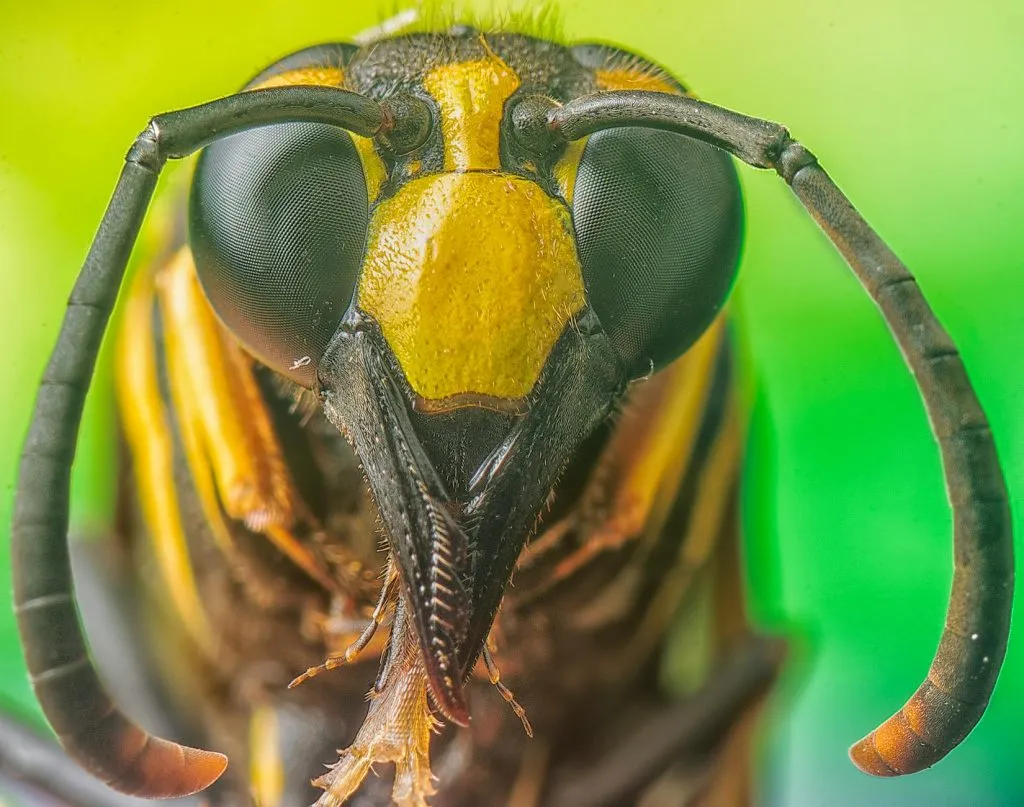
Do Wasps Sting can create costly problems when early signs are missed. Learn what to look for, why it matters, and when to call Kodiak Pest Control.
Key Takeaways About Do Wasps Sting
- Yes, wasps can sting, and unlike bees, many wasp species can sting more than once during a single encounter.
- Allergic reactions to a wasp sting may include swelling, hives, nausea, or headaches, and venom composition varies between bees and wasps, so a reaction to one does not guarantee the same reaction to the other.
- Nests built near high-traffic areas of your home pose the greatest sting risk and may call for professional removal rather than a DIY approach.
- Kodiak Pest Control treats wasp nests using knockdown sprays and residual dusts, with follow-up visits to address survivors and discourage rebuilding at old nesting sites.
How to Identify Do Wasps Sting
Several wasp species can show up in and around homes, and knowing what to look for helps you decide whether a nest needs attention. Many bee and wasp species are encountered near dwellings, so understanding the differences between nests and recognizing where activity appears is a practical first step.
How to Tell do wasps Types Apart
Different wasp species build nests that vary in size and shape. According to Mississippi State University Extension, red wasp nests resemble Guinea wasp nests but are noticeably larger. Paper wasp nests, by contrast, tend to be smaller than red wasp nests and are built on exposed surfaces. Comparing nest size and structure is one of the most reliable ways to tell species apart when you spot activity around your home.
Reactions to stings also vary from person to person. As Kansas State University Extension notes, responses can range widely and may occasionally cause life-threatening anaphylactic shock. Because of that variability, identifying the species responsible for a nest near your living spaces matters for gauging personal risk.
How to Spot do wasps Activity Inside Your Home
Wasps sometimes find their way indoors through gaps in siding, soffits, or other small openings. Kodiak Pest Control receives calls about wasps that have overwintered in attics and emerge during a warm spell, moving toward interior living spaces. Seeing even a few wasps inside can point to a nearby nest or a gap that allows entry from an exterior nesting site.
Where do wasps Activity Shows Up Around Homes
Paper wasp nests often appear on exposed surfaces such as eaves, soffits, and fence posts. They can also turn up in less obvious spots like gaps in siding, clothesline hollow posts, or RV bumpers. Paper wasp nests may not require treatment unless they are located near areas where people spend time, according to UC IPM.
Yellow jacket and bald-faced hornet nests may be in the ground, inside crawlspaces, within wall voids, or in attics. These covered, harder-to-reach nests are tougher to confirm visually, so steady wasp traffic entering and leaving a single point is a key indicator.
Exterior Entry Points do wasps Use
Wasps exploit a range of exterior openings. Common entry points include gaps beneath eaves, unsealed soffit joints, spaces around siding seams, and openings in hollow posts or similar structures. Checking these areas for nest material or repeated wasp traffic can help you locate nests early. When a nest is positioned close to doorways, walkways, or outdoor seating, professional review is appropriate to reduce the chance of stings.
Why Do Wasps Sting Problems Develop
Wasp sting problems usually start with nesting. When a colony sets up too close to areas where you spend time, defensive stinging becomes almost unavoidable. Social wasps and bees sting to defend their colony, and some yellow jacket species can also become aggressive during late summer and fall and may sting unprovoked. Understanding where wasps nest and what draws them in helps you recognize a developing problem early.
Outdoor Nesting Areas for do wasps
Paper wasps build nests on sheltered surfaces like eaves and fence posts, or in less visible locations such as hollow posts and RV bumpers. Yellow jackets and bumble bees can nest in the ground, making lawn care or outdoor play risky if you step near an entrance. According to the University of Georgia pest guide, bumble bees become aggressive when their ground nest is threatened.
Yellow jackets may also set up in crawlspaces, attics, or wall voids. These concealed locations make nests harder to spot until the colony is well established.
Food and Shelter That Attract do wasps
Sheltered voids and protected overhangs give wasps the conditions they look for when starting a nest. Wasps also leave long-lasting pheromones at previous nesting sites, which can attract other wasps to the same spot season after season. Although paper wasp nests last only one season, the scent they leave behind can draw new colonies the following year.
How do wasps Move Around Homes
Some wasp species are more aggressive than others and may fly several feet to sting someone who simply happens to be near the nest site. Only female wasps are capable of stinging, but in a colony the majority of workers are female, so most wasps you encounter near a nest can deliver a sting.
Trails and Entry Points do wasps Use
Gaps in siding, soffit openings, and other small structural cracks serve as entry points for wasps moving between outdoor air and interior voids. Paper wasp nests built where they are likely to cause stings need to be addressed proactively before the colony grows. A mishandled yellowjacket nest is especially dangerous. According to the University of Georgia pest guide, a mistake during treatment can result in hospitalization or even death from excessive stings, which is why professional assessment matters.
Risks From Do Wasps Sting
Health Risks Linked to do wasps
Wasps are considered medical pests because they can sting and cause pain and discomfort. According to Kansas State University Extension, reactions vary depending on the health of the individual, the location of the sting, and the amount of venom delivered. That means two people stung by the same wasp may have very different experiences.
Pain levels also differ across wasp species. According to Mississippi State University Extension, most people who have experienced both agree that red wasp stings are more painful than Guinea wasp stings. Some species deliver stings that are arguably more painful still than a red wasp sting.
Property Damage From do wasps
Wasps are primarily a concern because of their stings rather than structural damage. However, nesting activity near your home can create ongoing issues. Pheromones left at old nest sites draw new colonies back year after year. Nests built in wall voids, attics, or crawlspaces may require treatment to prevent repeated activity in those areas.
Food Areas and do wasps Activity
Wasp activity near outdoor eating or cooking spaces raises the chance of a sting simply because of close contact. Although most people think of wasps as harmful pests because of their stings, paper wasps are also beneficial, as Mississippi State University Extension notes. Recognizing that wasps serve a role does not mean you should tolerate nests in high-traffic areas of your yard or home.
When to Look Closer at do wasps Activity
If you notice wasps repeatedly returning to the same eave, soffit, fence post, or similar surface, pheromones from a previous nest may be drawing them back. A single wasp flying through the yard is usually not cause for concern. Multiple wasps hovering near an entry point or gathering around a visible nest is a different situation and worth a closer look from a pest control professional.
Wasps that overwintered in an attic can also wake during a warm spell and appear indoors. That kind of interior activity is another sign that a professional review is appropriate.
Professional Pest Control for Do Wasps Sting
Understanding when wasp stings pose a genuine concern helps you decide whether professional treatment is the right step. Most stings happen when people walk barefoot near nesting areas or handle wasps carelessly, according to Texas A&M AgriLife Extension. Reducing those encounters starts with smart prevention and a thorough property inspection.
How to Reduce Attractants for do wasps
Removing old nests and treating the area with residual dust helps discourage rebuilding driven by lingering pheromones. Keep outdoor surfaces near eaves and soffits clear of debris so new nests are easier to spot early. Sealing gaps in siding and covering hollow posts or openings on structures limits the sheltered spaces wasps look for when establishing a nest.
Why do wasps Control Starts With Inspection
A proper inspection identifies nest location, species, and accessibility before any treatment begins. Paper wasp nests tend to appear on exposed overhangs, while yellow jacket and hornet nests may be underground, in a crawlspace, or inside a wall void. Each scenario calls for a different approach, so knowing what you are dealing with matters before treatment starts.
While allergic reactions are very rare, UC IPM notes that you should seek emergency medical help if you experience hives, difficult breathing, or swelling of the face, lips, tongue, or throat after a sting. A professional inspection keeps you at a safer distance from active nests.
What to Expect During Professional do wasps Treatment
For paper wasps, Kodiak Pest Control sprays the nest with a knockdown product and removes it. Once the wasps are gone, the team dusts the void where they were nesting along with any nearby voids. This dust treatment addresses the pheromones that can draw other wasps back to the same spot.
Yellow jackets and bald-faced hornets require a different approach. If the nest is exposed and reachable, it is treated with a knockdown product and removed. When a nest is in the ground, a wall void, or another covered space, a transferable product is applied instead. This type of treatment spreads through the colony as foraging wasps carry it back, reaching individuals that were away from the nest during service.
Kodiak can spray up to about 20 feet and reach nests reliably at around 18 feet. A bee suit may be used when work needs to happen close to an active entrance.
What to Expect From a do wasps Control Plan
Depending on the season, Kodiak typically schedules a follow-up service to renew barriers and treat any survivors trying to rebuild. For yellow jackets and bald-faced hornets, at least one follow-up is standard to address remaining activity or new arrivals at the site.
During cooler months, overwintering wasps in the attic can become active and move toward living spaces. Kodiak treats potential entry points from the attic to the interior with residual products and dusts to address this seasonal pattern. A structured treatment plan reduces the chance of repeated encounters around your home.
Bottom Line on Do Wasps Sting
Yes, wasps can sting, and reactions range from short-lived pain and swelling to serious responses that may require medical attention. Some species are more defensive than others, and disturbing a nest without the right preparation can turn a manageable situation into a dangerous one. If you notice wasp activity around your home, especially near high-traffic areas like eaves or doorways, a professional review can help you understand what you are dealing with and the best way to handle it.
Kodiak Pest Control serves Billings, MT and surrounding Montana and Wyoming communities, so reach out to request a quote if wasp nests are becoming a concern on your property.
Frequently Asked Questions
How Dangerous Is a Wasp Sting for Most People?
For most people, a wasp sting causes temporary pain, swelling, and tenderness near the sting site. Some individuals may also experience itching. However, reactions vary from person to person, and in rare cases a sting can trigger a serious allergic response that needs prompt medical attention.
Should I Try to Remove a Wasp Nest Myself?
Attempting to treat a nest on your own carries real risk, particularly with species like yellowjackets. A mistake during nest removal can result in a large number of stings. Kodiak Pest Control uses targeted treatments and follow-up visits to address active nests and returning wasps.
Do All Wasps Sting?
Wasps can sting when they feel threatened, and the likelihood of being stung often depends on the species, nest location, and how close you get to the colony. The likelihood of being stung often depends on the species, nest location, and how close you get to the colony.
What Does Kodiak Do About Wasps Near My Home?
For paper wasps, the team sprays and removes exposed nests, then dusts voids and nearby nesting sites. For yellowjackets or bald-faced hornets in harder-to-reach spots, a transferable product is applied so foraging wasps carry it back to the colony. A follow-up service is typically scheduled to address survivors and renew barriers.
Our methodology: how we research pest control topics
Every Kodiak Pest Control article follows the same standard we hold our service work to: clear, accurate, and grounded in what actually works on a real Montana or Wyoming home. Homeowners across Billings and the Big Horn Basin count on us for honest pest information they can act on, and we treat the writing the same way.
We build our content from a combination of government guidance, peer-reviewed research, and the patterns our technicians see across homes in the regions we serve. Here is how we approach each article:
Studying pest behavior
We start with how each pest actually lives — where it nests, how it spreads, and what conditions support it. The high desert and basin climates of our service area shift pest pressure across the year, and understanding pest biology in this regional context is what keeps our recommendations practical.
Reviewing health and home risks
We review research on how each pest affects human health and home structures. Some pests are a nuisance. Others trigger allergies, carry bacteria, or cause structural damage. Knowing the actual risk helps homeowners decide how urgently to act.
Using Integrated Pest Management
Our recommendations are grounded in Integrated Pest Management (IPM), the framework supported by the USDA and EPA. IPM combines monitoring, sanitation, exclusion, and targeted treatment to reduce pest populations while limiting unnecessary product use.
Prioritizing prevention and lasting protection
A pest problem rarely ends with one treatment. We focus on the conditions that allow infestations to start in the first place — moisture, food sources, gaps around the home, harborage zones — because long-term control depends on changing the environment, not just treating the symptoms.
Citing peer-reviewed and government sources
Whenever possible, we support our recommendations with peer-reviewed studies, university extension research, and guidance from agencies like the EPA, CDC, and USDA. Each source we cite is listed at the end of the article.
Why trust us
Kodiak Pest Control is owner-operated by Jacob Haslem, serving homeowners across Billings, Laurel, Billings Heights, and Lockwood in Montana, and across Cowley, Lovell, Powell, Worland, and Greybull in Wyoming. We are a regional operation that knows the pests, the climate, and the homes in our service area.
That same standard runs through our content. The information you read here reflects what our technicians see in the field, what current research supports, and what we have learned from servicing homes across the Big Horn Basin and the Yellowstone County region.
Our credentials
- Owner-operated by Jacob Haslem
- Service across Billings, Laurel, Billings Heights, Lockwood (MT) and Cowley, Lovell, Powell, Worland, Greybull (WY)
- General pest control, specialty pest services, and seasonal treatments
- Trained pest control technicians on staff
- Continuous review of research, regulations, and regional pest pressure
Sources and standards we reference
To keep our content accurate and up to date, we rely on established research and authority sources, including:
Environmental Protection Agency (EPA):
Guidelines on product use, labeling, and approved applications.
Centers for Disease Control and Prevention (CDC):
Public-health guidance on pests that affect human health, including mosquitoes, ticks, rodents, and cockroaches.
United States Department of Agriculture (USDA):
Integrated Pest Management standards and pest biology research.
National Pest Management Association (NPMA):
Industry standards, pest behavior research, and seasonal trend reporting.
Montana State University Extension and University of Wyoming Extension:
Peer-reviewed, region-specific research on pest biology and control methods relevant to Montana and Wyoming homes.
Peer-reviewed journals:
Research published in entomology, public health, and environmental science journals to support specific claims about pest behavior, health risks, and treatment efficacy.
Article sources
The following sources were specifically referenced in the research and development of this article:
- Mississippi State University Extension
- Kansas State University Extension
- UC IPM
- University of Georgia pest guide
- Texas A&M AgriLife Extension
- UC IPM
All information is accurate at the time of publication and is reviewed regularly to reflect current research and pest control standards.




