
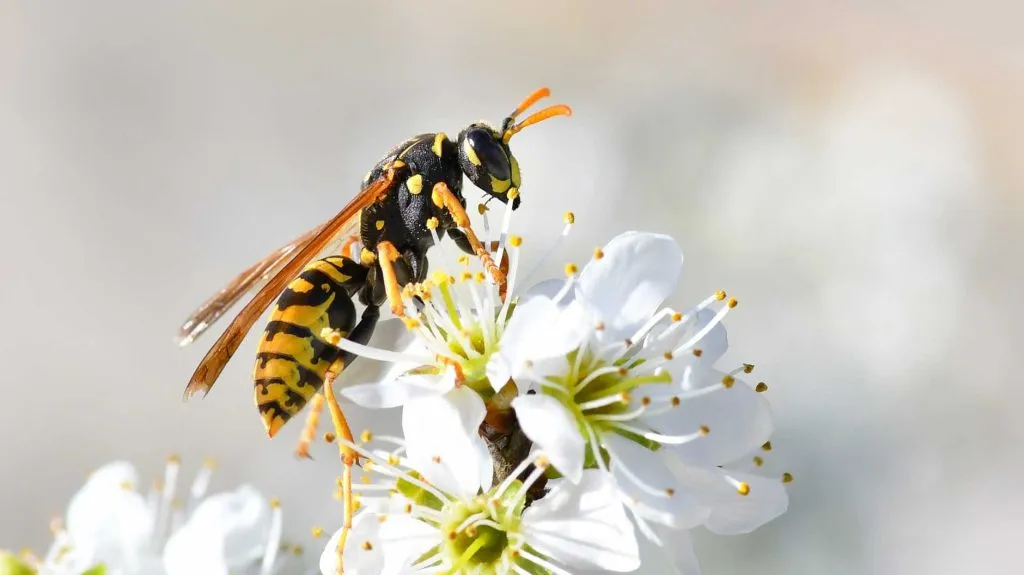
European Wasp can create costly problems when early signs are missed. Learn what to look for, why it matters, and when to call Kodiak Pest Control.
Key Takeaways About European Wasp
- Wasps around your home may nest on exposed surfaces like eaves and soffits, or in hidden voids such as wall cavities and attic spaces, making accurate identification an important first step.
- Some wasps can sting when their nest is near areas of human activity, so nests in high-traffic spots around your property may warrant professional removal.
- Kodiak Pest Control treats wasp nests using knockdown sprays and residual dusts, with follow-up services to address survivors and discourage rebuilding at old nesting sites where lingering pheromones can attract new wasps.
- For nests that are covered or hard to reach, Kodiak may apply a transferrable treatment that spreads through the colony, helping address wasps that are away foraging at the time of service.
How to Identify European Wasp
Knowing what to look for is the first step in dealing with a wasp problem around your home. European wasps are a type of paper wasp, and the fastest way to confirm their presence is by finding a nest. Paper wasp nests are generally small and may have fewer than a dozen individuals, though according to UC IPM, populations can vary between 15 to 200 individuals. Staying alert for wasp nests around your home makes it easier to act before a nest grows.
How to Tell European Wasp Types Apart
Paper wasps build open, exposed nests that rarely exceed the size of an outstretched hand. Red wasp nests are similar in structure to Guinea wasp nests but larger. Size comparison is one of the simplest ways to tell wasp types apart. A paper wasp nest with fewer than a dozen wasps is on the smaller end, while some nests may hold up to about 100 wasps. Yellowjacket nests, by contrast, can appear alongside paper wasp nests on the same property, so checking nest size and shape helps you distinguish between them.
How to Spot European Wasp Activity Inside Your Home
Wasps sometimes appear indoors when they enter through gaps near the roofline or siding. During colder months, wasps that have overwintered in the attic may wake up during a warm spell and find their way into living spaces. If you notice individual wasps flying near ceilings or windows, there may be a nest nearby. Paper wasp nests that are close to people may need attention, while nests in areas away from foot traffic may not require treatment.
Where European Wasp Activity Shows Up Around Homes
Paper wasp nests often appear on exposed surfaces such as eaves, soffits, and fence posts. They can also turn up in less obvious spots like gaps in siding, clothesline hollow posts, and RV bumpers. Being alert for wasp nests around the home helps you catch activity early. If a yellowjacket or paper wasp nest is present and you want to remove it, identifying the nest location first will determine the best approach.
Exterior Entry Points European Wasp Use
Wasps take advantage of small openings on the exterior of your home. Gaps in siding, spaces around soffits, and openings near eaves can all serve as access points. Some wasps nest inside enclosed voids or hard-to-reach spaces where knockdown treatment alone may not reach every individual. Checking these exterior features regularly helps you spot wasp nests before populations grow.
Why European Wasp Problems Develop
European paper wasps are social wasps that live in populous colonies built around a paper nest. Each colony consists of an egg-laying queen and many sterile female workers. These colonies are annual, meaning they exist for only one season, and the nest is used only during the season it is built. That single-season cycle means new nests appear each year, often in spots that surprise homeowners.
Outdoor Nesting Areas for European Wasp
European paper wasps often build nests inside enclosed voids such as lighting fixtures, bird boxes, gas grills, motor homes, and boats, according to Purdue Extension. Because these items may sit unused for weeks at a time, a colony can grow before anyone notices it. Paper wasp nests built in the wrong place, where they are likely to cause stings, need to be addressed proactively.
Food and Shelter That Attract European Wasp
Paper wasps are beneficial caterpillar predators, so properties with gardens or other vegetation can draw foraging workers. Sheltered voids and protected overhangs give colonies the cover they need to attach a nest. The combination of nearby food sources and undisturbed nesting spots is what allows a colony to establish and grow through the season.
How European Wasp Move Around Homes
Because European paper wasps nest in infrequently used spaces, they often create unexpected encounters with people. Opening a grill lid, moving stored equipment, or checking a bird box can bring you face-to-face with an active colony. Social wasps sting to defend their colony, so these surprise interactions can lead to stings. Regardless of species, paper wasp nests last only one season, but the location may attract new colonies the following year.
Trails and Entry Points European Wasp Use
European paper wasps are black and yellow, resembling yellowjackets, which can make it hard to identify them as they move in and out of gaps around your home. They may enter through openings in soffits, eaves, or siding gaps. Wasps leave long-lasting pheromones at their nesting sites, which can attract other wasps to the same entry points in later seasons. Keeping an eye on these access areas helps you spot new activity before a colony becomes well established.
Risks From European Wasp
European wasps belong to the order Hymenoptera, the same group that includes bees and ants. While they play a role in capturing insects such as flies, caterpillars, and beetle larvae, colonies near your home raise the chance of painful stings for you and anyone spending time outdoors.
Health Risks Linked to European Wasp
Wasp stings hurt, and some people are highly sensitive to stings. Unlike a honey bee sting, where the barbed stinger usually remains in the skin when the bee leaves, a wasp can sting more than once during a single encounter.
Very rarely, a person may suffer a life-threatening, systemic allergic reaction to a bee or wasp sting. According to the University of Minnesota Extension, this can cause anaphylactic shock, including fainting, difficulty breathing, swelling, and blockage in the throat, within minutes of being stung.
It is also worth knowing that the venom of bees and wasps is different. Having a severe reaction to a bee sting does not automatically mean a person will have the same reaction to a wasp sting.
Property Damage From European Wasp
European wasps do not feed on wood or building materials the way some other pests do. However, colonies located in or around structures can make areas of your property difficult to use. Nests tucked into eaves, soffits, or other sheltered spots keep the colony close to everyday foot traffic and increase the chance of a sting.
Food Areas and European Wasp Activity
Social wasps are drawn to areas where food is present. Outdoor dining spaces, grills, and gathering spots can attract foraging workers. When colonies are near these high-traffic zones, the probability of wasp stings goes up, making it harder to enjoy your yard comfortably.
When to Look Closer at European Wasp Activity
Although social wasps are beneficial because they capture pest insects, destruction of colonies is warranted when they are located in or around structures and areas of human activity where stings can occur. If you notice steady wasp traffic near doorways, seating areas, or play spaces, it is worth taking a closer look at where the colony may be established.
Addressing a nest sooner rather than later helps keep the area around your home more comfortable and reduces the chance of repeat nesting in the same spot.
Professional Pest Control for European Wasp
When a European wasp nest appears near your home, knowing when to act and when to call a professional can save you trouble. Not every nest demands immediate treatment, but nests close to living spaces or high-traffic areas deserve prompt attention and a clear plan.
How to Reduce Attractants for European Wasp
Limiting what draws European wasps to your property is one of the simplest steps you can take. Keep outdoor eating areas clean and cover food and drinks when dining outside. Secure trash can lids tightly and pick up fallen fruit from trees in your yard.
It also helps to know which stinging insects are actually present. Honey bees, bumble bees, paper wasps, and bald-faced hornets are less aggressive look-alikes that may not require the same response. Correctly identifying the insect helps you avoid unnecessary disruption to beneficial species.
Why European Wasp Control Starts With Inspection
A thorough inspection determines whether a nest poses a real concern. According to UC IPM, paper wasp nests should not require treatment unless they are near people. The same principle applies broadly: nest location relative to foot traffic, doorways, and play areas matters more than nest size alone.
During an inspection, a pest control professional checks eaves, soffits, fence posts, ground-level openings, crawlspaces, and wall voids. Hard-to-reach spots like hollow clothesline posts and RV bumpers are also common nesting sites. Identifying every active nest and potential entry point shapes the treatment approach.
What to Expect During Professional European Wasp Treatment
For exposed nests, Kodiak Pest Control sprays the nest with a knockdown product such as Cyper TC or Permethrin SFR, then removes the nest when reachable. We can spray up to about 20 feet and reliably reach 18 feet.
When a nest is in the ground, a crawlspace, an attic, a wall void, or another covered location, we treat with a transferrable product like Taurus SC, Alpine WSG, or Temprid. This approach works because foraging wasps carry the product back, reaching individuals that are away from the nest at the time of service. A bee suit may be used depending on how close we need to work near the entrance.
After the wasps are gone, we dust the voids with DeltaDust. Because nesting pheromones linger and can draw new colonies, treating those areas helps discourage future activity.
What to Expect From a European Wasp Control Plan
Kodiak Pest Control typically schedules at least one follow-up visit to check for survivors and renew protective barriers around previous nesting sites. Depending on the season, follow-up timing may vary to match wasp activity patterns.
During fall and winter, wasps that overwintered in an attic may wake during a warm spell and move toward living spaces. We apply residual products and dusts at key transition points between the attic and interior to address this seasonal concern.
For bees found on your property, we try to protect them as much as possible and will harvest bee swarms when feasible. If removal is not possible without tearing structures apart, we treat them using the same approach applied to wasp nests. A licensed pest control operator is the right resource when you are unsure what you are dealing with, as UC IPM recommends.
Bottom Line on European Wasp
European wasps can become a concern when they nest near your home or outdoor living spaces. Recognizing nests early, keeping food and drink covered outdoors, and watching for wasp activity around eaves, siding gaps, and other sheltered spots are practical first steps. When a nest is in a hard-to-reach area or too close to daily foot traffic, professional treatment is the safer route. Kodiak Pest Control serves Billings, MT and surrounding Montana and Wyoming communities.
If you spot a nest or notice increased wasp activity around your property, reach out to Kodiak for a quote.
Frequently Asked Questions
How Can I Tell If I Have a Wasp Nest on My Property?
Watch for steady wasp traffic moving to and from a single point on your home or yard. Nests may appear under eaves, inside soffits, along fence posts, or in less obvious spots like gaps in siding and hollow posts. If you notice wasps repeatedly entering and exiting the same area, a nest is likely nearby.
Are Wasp Nests Dangerous to Remove on My Own?
Attempting removal without proper equipment and protective clothing can lead to stings, especially with larger or concealed nests. Kodiak’s team uses knockdown sprays for exposed nests and transferrable treatments for nests inside wall voids, crawlspaces, attics, or underground locations that are difficult to access safely.
What Happens After the Nest Is Treated?
Residual pheromones at old nesting sites can draw new colonies, so Kodiak dusts those voids and nearby areas after removal. A follow-up service is typically scheduled to confirm activity has stopped and refresh protective barriers where needed.
What Should I Do If I See Wasps in Winter?
Some wasps overwinter in attics and may wake during a warm spell. Kodiak applies residual treatments at transition points between the attic and living areas to help keep them from moving into your home.




