Flies are a regular part of life in Montana, especially during spring and summer. That does not mean they are welcome inside the home. When flies gather near windows, buzz through kitchens, or appear in large numbers, the problem becomes hard to ignore.
Homeowners across the Big Horn Basin, Billings, and nearby rural areas deal with fly problems every year. Even when a property appears peaceful, flies can take advantage of weather changes, livestock, landscaping, and small gaps in the home, often leading homeowners to seek reliable pest control in Montana.
This Montana fly guide explains what attracts flies locally, how to identify common species, and how to reduce fly activity around your home. With the right approach, fly problems become easier to control.
Key Takeaways
- Montana’s climate and seasonal shifts create ideal conditions for fly activity.
- Several fly species appear similar, but behave very differently.
- Identification plays a major role in choosing the proper control approach.
- Ongoing prevention often works better than quick fixes.
Video: Common Small Flying Insects Identification
Visual identification makes a big difference when flies start showing up indoors. This video focuses on common small flying insects and explains how to tell them apart by size, shape, and behavior. Seeing these traits in action helps homeowners avoid misidentifying flies as gnats or other flying pests. That clarity often leads to faster, more effective decisions when managing fly issues around homes in Montana.
How Do I Identify Flies in Montana?
Accurate identification is the first step when dealing with flies in Montana because not all flies behave the same way. Some flies breed outdoors and enter homes by accident, while others actively seek indoor shelter. Knowing the fly type helps you choose the correct response.
Visual Identification Traits
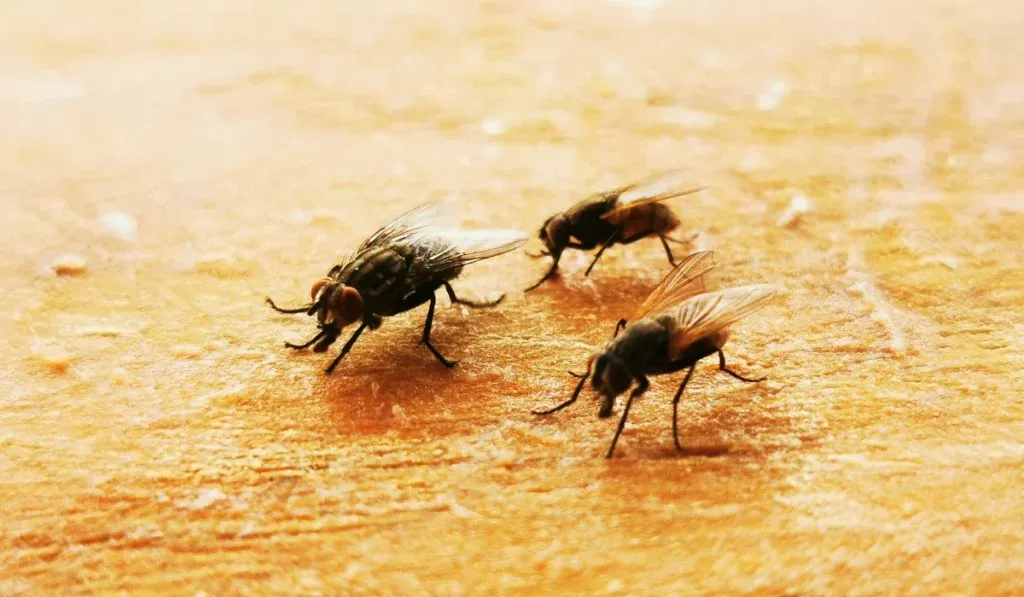
Most flies look similar at first, but small details matter. Body size, color, and wing position provide helpful clues. House flies usually appear gray with dark stripes on their backs, while other species may look larger or move more slowly. Wings that overlap while resting can point to a specific fly type.
In Montana homes, people often confuse flies with other flying insects. Watching wing position and movement speed helps narrow down the identification.
Behavioral Identification Traits
Behavior often tells a clearer story than appearance alone. Some flies constantly buzz around light sources or windows, while others gather on walls or ceilings. Activity during cooler mornings versus warm afternoons can also signal different species.
For example, cluster flies in Montana often appear suddenly and move slowly. They tend to gather in groups, especially during seasonal transitions. In contrast, crane flies look large and awkward but do not behave aggressively indoors.
Where You’re Most Likely to See Them in Montana
Indoors, flies often appear near windows, kitchens, garages, and basements. These areas offer light, warmth, or easy access from outside. In rural Montana homes, mudrooms and entryways often see heavy fly activity.
Outdoors, flies gather near trash areas, livestock spaces, standing water, and shaded landscaping. Homes near fields or irrigation zones often face higher seasonal pressure.
What Causes Fly Problems in Montana?
Fly problems in Montana result from interactions among climate conditions, property features, and seasonal changes. Understanding these factors helps homeowners address the root cause rather than chasing individual flies.
Montana’s warm summers and sudden temperature changes push flies toward buildings. When fall arrives early, flies quickly search for shelter. Homes attract flies because they provide stable indoor conditions.
Moisture and Breeding Areas
Moisture also affects fly activity. Irrigation systems, snowmelt, and shaded soil create ideal breeding areas for flies. Even well-maintained properties can support fly activity through small environmental factors.
Home Design and Entry Points
Home design also affects fly problems. Gaps around doors, windows, siding, and rooflines provide easy entry for flies. Older homes across the Big Horn Basin often have more entry points than homeowners expect.
Human Activity Around the Home
Trash schedules, pet feeding areas, compost piles, and livestock all increase fly pressure. When flies build up nearby, homes often become the next stop.
How Do You Manage Flies in Montana?
Managing flies is most effective when homeowners first focus on outdoor conditions. Reducing outdoor fly pressure is more effective than reacting indoors.
Start by reducing attractants. Keep trash secured, clean up pet waste, and limit moisture when possible. Even small amounts of standing water support fly breeding during warm months.
Next, focus on keeping flies out. Sealing cracks, fixing screens, and closing door gaps reduces fly entry. In Montana’s windy climate, these fixes also improve energy efficiency.
Yard conditions also affect fly activity. Trim plants away from the home and manage shaded areas where moisture collects. Seasonal strategies change, but consistent effort keeps fly numbers lower over time.
How Do You Treat Flies in Your Montana Home?
Treatment depends on the fly type, activity level, and time of year.
DIY Treatment Options
Homeowners can manage light fly activity with basic steps. Sticky traps, good sanitation, and airflow changes help reduce indoor flies. These options work best when the fly pressure stays low and short-term.
DIY methods have limits. Traps catch adult flies but do not stop breeding. When flies appear daily, the source often starts outside the home.
Professional Treatment Options
Professional treatment focuses on inspection, identification, and targeted control. Instead of treating only the structure, professionals also consider yard conditions, entry points, and nearby features.
At Kodiak Pest Control, we use a layered approach that targets fly pressure at the source. By treating outdoor areas beyond the foundation, fly populations drop before reaching the home. Follow-up services help maintain results as seasons change.
In Montana’s climate, professional support often prevents recurring fly problems that DIY methods struggle to control.
Should I Call a Professional for Flies in Montana?
Calling a professional makes sense when flies are frequent or spread across multiple rooms. Large numbers, slow-moving flies, or sudden seasonal invasions often signal a bigger issue.
Homes near farms, livestock, or irrigation zones benefit from professional evaluation. Some fly species require direct treatment of outdoor breeding areas.
Ongoing prevention saves time and frustration while keeping fly numbers low year after year.
Making the Right Fly Control Decision for Your Montana Home
Fly problems in Montana may feel unavoidable, but they do not need to control your home. Knowing why flies appear, how to identify them, and how to reduce their activity gives homeowners a clear plan.
This Montana guide shows that prevention works best when it starts outdoors and stays consistent. Small changes add up, especially when paired with professional support.
If flies continue to return despite your efforts, our team at Kodiak Pest Control offers fly control options tailored to Montana homes.
Contact us today to learn more about protecting your home from flies.
FAQs
Are flies active year-round in Montana?
Fly activity slows during winter, but some species survive indoors or in protected areas. Sudden warm spells can trigger movement, which is why flies sometimes appear during colder months.
How do I know if I’m dealing with flies or another flying insect?
Size, movement, and behavior help distinguish flies from gnats or other pests. Watching where they gather and how they fly often provides quick clues.
What is the fastest way to reduce flies in my home?
Reducing outdoor attractants and sealing entry points is more effective than indoor traps alone. When fly numbers stay high, professional treatment provides the quickest relief.