
Ant hills in your yard aren’t just eyesores. These mounds signal an active ant colony beneath the surface, which may be growing quickly. To remove ant hills without damaging your turf, use a strategy that targets ants and protects your lawn.
This guide covers effective methods for treating ant mounds safely, whether you prefer DIY tactics or want help from a local exterminator.
Key Takeaways
- Ant mounds disrupt lawn care and signal a larger ant infestation below.
- DIY solutions like borax, boiling water, or diatomaceous earth can be effective in the short term.
- Baits and granules help kill ants deep in the colony, including larvae and the queen.
- Professional pest control offers a long-term solution without harming your landscaping.
Why Ant Hills Appear in Lawns
Ant hills form as worker ants push soil upward while digging tunnels. Smaller colonies create shallow mounds, while larger ones, like those built by pavement or field ants, tend to be taller and denser.
These mounds may look harmless, but they compact soil, damage roots, and make your lawn uneven. More importantly, they often mean the entire colony is thriving underground.
Are Ant Hills in Your Yard Harmful?
Yes, and they do more than ruin your lawn’s look. Raised mounds can hide deep tunnels that interfere with grass growth. Kids and pets can trip in soft spots, which could also lead to twisted ankles or broken sprinkler heads.
In areas like Big Horn Basin and Billings, we don’t see fire ants as much, but we do see recurring problems with odorous house ants, carpenter ants, and black ants.
Common Lawn Ants
Not all ants are the same. Some prefer dry soil, others moist. A few seek out honeydew produced by aphids in your vegetable garden. Knowing the species helps you choose the proper treatment.
Common types of ants in Wyoming and Montana include:
- Pavement ants: Found in driveways, sidewalks, and along home foundations.

- Carpenter ants: Nest in wood, especially in damp areas near garden beds.

- Odorous house ants: Known for entering homes and forming satellite nests outdoors.
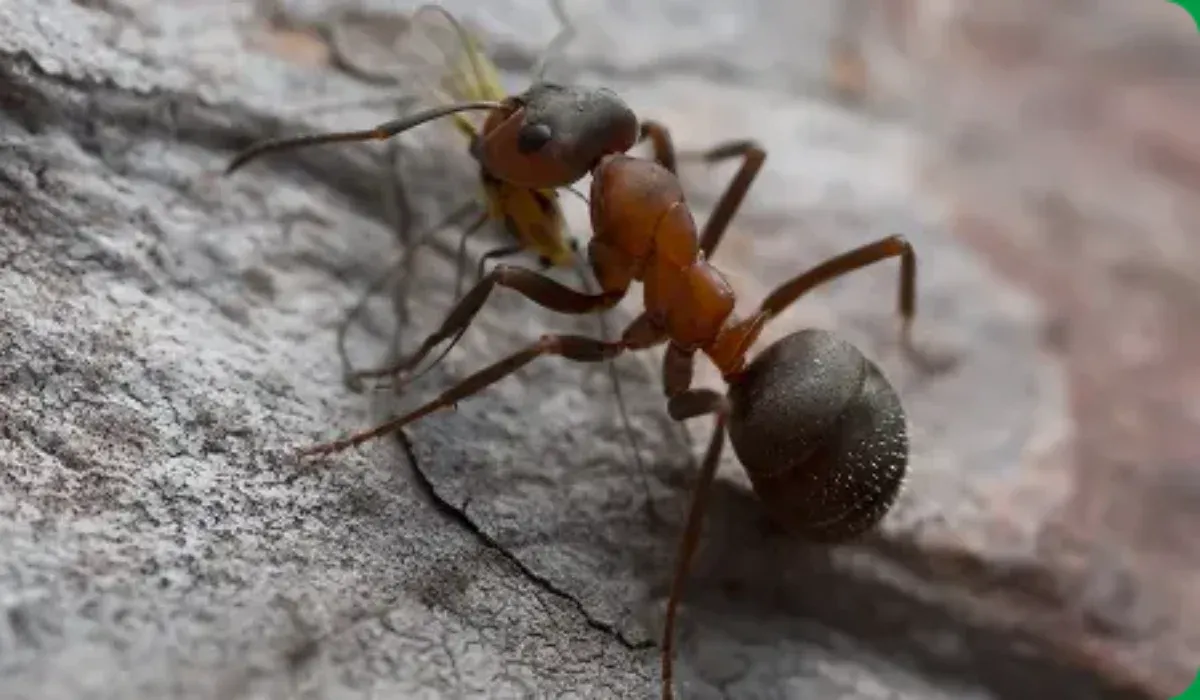
- Field ants: Responsible for large, dome-shaped mounds in open lawns.


Safely Disrupt Ant Hills
To get rid of ant hills without harming your grass, start with these simple steps:
Rake and Aerate
Loosen the soil with a rake and gently aerate the surrounding area. These actions break up tunnels and improve drainage, making it harder for ants to rebuild.
Use Boiling Water (Cautiously)
Boiling water is a quick way to kill ants near the surface. Pour it directly onto the ant hill to collapse tunnels and kill visible ants. However, it won’t reach the queen or deeper parts of the colony and can scald your grass, so use it sparingly and avoid sensitive areas like gardens.
Diatomaceous Earth: A Dry Option
Food-grade diatomaceous earth is a natural repellent that dehydrates ants. Apply a thin layer around each mound and high-traffic areas. This method works best in dry weather and poses no risk to your lawn or pets.
Homemade Ant Baits That Target the Colony
For deeper, more targeted results, use household ingredients to deliver bait back to the queen.
Borax and Sugar
Mix equal parts borax (or boric acid) and sugar with warm water. Dip cotton balls in it and place them in small containers near each ant mound. The worker ants carry the mixture back to the colony, poisoning the queen and larvae over time.
Repeat this setup every few days for full effectiveness.
Baking Soda and Sugar
Mix baking soda with sugar and sprinkle it near the mound. This combination disrupts the ants’ internal systems and helps eliminate the colony. It reacts with the ants’ internal systems and helps kill them from within.
Granules and Baits for Full Colony Control
Surface treatments don’t always reach the ant nest. To reduce the ant population, you need slow-acting solutions that ants bring home to the colony.
Ant Baits
Commercial ant baits like Terro use a mix of sugar and insecticide to attract worker ants. These slow-acting baits give ants time to transport the poison back to the nest. They’re ideal for widespread infestations.
Granules
Broadcast granules over the lawn with a spreader. Look for options containing bifenthrin, which is effective against multiple species of ants. Once watered in, the granules soak into the soil and kill ants in tunnels and nesting chambers.
Apply granules correctly, and they won’t harm your lawn.
Are Pesticides Safe for Lawns?
Many homeowners worry about using insecticide on their grass, and rightfully so. Overuse or improper application can lead to burned spots or run-off. Stick to lawn-safe products and always follow label instructions.
If you prefer to avoid pesticides altogether, use natural alternatives like diatomaceous earth or essential oil-based sprays.
How to Prevent Ant Hills from Coming Back
After removing ant hills, focus on prevention.
- Maintain lawn care: Mow, water, and aerate your yard regularly.
- Control aphids: Reducing aphid populations cuts off a food source for ants looking for honeydew.
- Seal food sources: Store pet food and trash in closed containers outdoors.
- Watch moisture levels: Overwatered lawns attract nesting ants.
A dry, well-maintained yard is less inviting to ants and more comfortable for you.
When to Call in the Pros
DIY solutions are effective for small-scale ant control, but they often fail to eliminate the entire colony. If you keep seeing new ant hills, despite your best efforts, it’s time to call a professional pest control service.
Kodiak Pest Control offers full-yard treatments that go beyond the typical spray-and-go. We treat the structure, the perimeter, and the yard itself, including cracks, borders, and nesting zones.
We serve properties across the Big Horn Basin and Billings with fast, effective service that protects your lawn and home, without destroying your grass.
Final Thoughts
Ant hills in your yard don’t need to be a permanent problem. With the right mix of competent lawn care, strategic baiting, and professional pest control, you can kill ants and reclaim your lawn without damaging it.
If you’re in Wyoming or Montana and ready to stop the mounds for good, reach out to Kodiak Pest Control. We’ll help you tackle the ants where they live, not where you do.
FAQs
How can I eliminate ant hills without harming the grass?
Use methods like diatomaceous earth, borax baits, or boiling water with caution. These options target the ants while keeping your turf healthy.
What is the best ant killer for lawns?
Granules with bifenthrin or ant baits like Terro work well. They kill ants below the surface and don’t damage grass when used correctly.
When should I call a professional pest control service?
If ant hills keep popping up or DIY methods don’t reduce the ant population, call a local exterminator. They can treat the entire colony safely and efficiently.




