
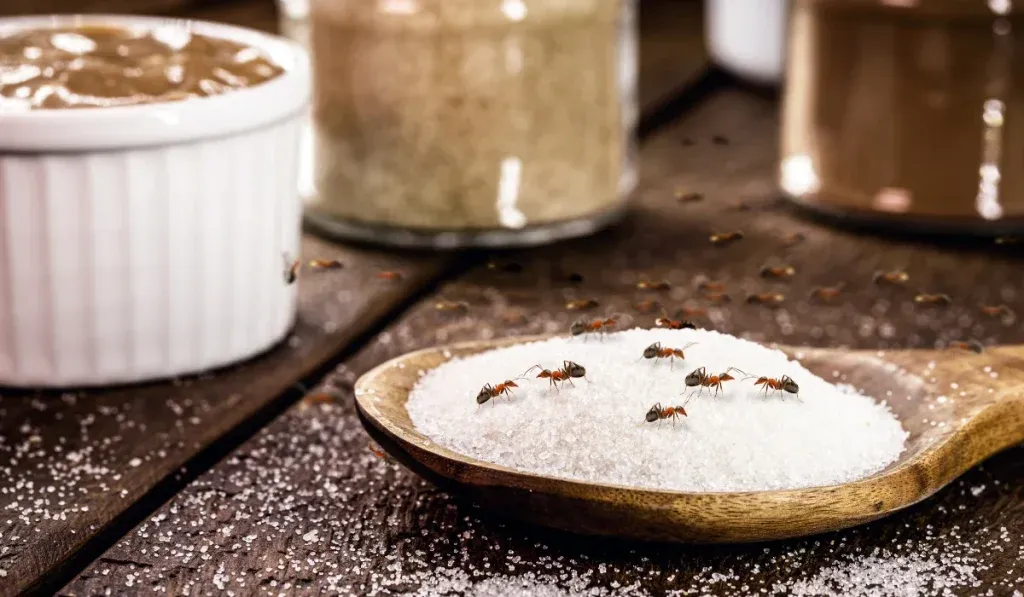
Sugar ants can turn a small nuisance into a steady headache. You wipe down the kitchen counters, put food away, and still find a trail of ants winding along the baseboards the next morning. In Billings, this usually means the colony has already found food and knows how to return.
If you want to get rid of sugar ants, cleaning surfaces is only part of the solution. The bigger issue is the nest, the scent trails, and the easy access around the property. That is why a professional exterminator uses a complete ant control approach, not just treating the ants you can see.
Key Takeaways
- Sugar ants stay active when food sources, moisture, and entry points are available.
- The fastest way to reduce the number of ants you see is to clean up attractants and avoid disrupting colony-control efforts.
- Lasting ant control depends on identifying the ant species, targeting the colony, and closing off access.
- In Billings homes and commercial spaces, a professional inspection can save time by finding what basic cleaning misses.
Reduce Sugar Ant Activity Right Away
When sugar ants first show up, the priority is to reduce activity without making the issue harder to solve. That means taking practical steps to support colony control rather than scattering the ants into new areas.
Clean Up the Food Sources They Are Following
Sugar ants are usually responding to food that is easy to miss, like drink spills and sticky residue on countertops, crumbs near kitchen counters, or pet food left out overnight. Even small amounts around sealed containers can keep ant trails active.
Careful cleanup reduces attractants and helps you see where ants are entering, making the next steps more effective.
Interrupt Ant Trails Without Relying on Random DIY Fixes
Ants follow scent trails, which is why a trail of ants often reappears in the same spot. Wiping down baseboards, windowsills, and nearby surfaces can temporarily reduce activity.
Using cotton balls soaked in white vinegar can temporarily disrupt scent trails, but it does not address the colony or the source of the ant problem.
Avoid Quick-Kill Products That Can Scatter the Colony
It is tempting to use an ant killer when you see tiny ants in your kitchen. Many store products kill visible ants but leave most of the colony intact. Some products can also act as a repellent, pushing ants deeper into wall voids, crevices, or nearby rooms.
A more effective ant control method targets the colony instead of chasing ant trails around the home.
Remove the Colony and Indoor Attractants
Once you reduce activity, the next step is removing what is sustaining it. This step determines whether you get rid of ants or just take a short break before they return.
Use Ant Bait Where It Supports Colony Elimination
Ant bait can help eliminate the colony when used correctly. Liquid baits or bait stations work best when placed along active ant trails where worker ants carry them back.
Placement matters. Poor positioning or combining bait with repellent products can reduce effectiveness, regardless of whether you are dealing with odorous house ants, pavement ants, carpenter ants, or another common ant species.
Find the Entry Points That Keep the Problem Going
If sugar ants keep returning, they are using specific entry points. Common entry points include gaps around doors, cracks near windowsills, utility penetrations, and small openings along the foundation.
Inspection is important. Sealing gaps with caulk can help, but only after identifying where ants are actively moving in and out.
Check for Indoor Conditions That Support Nesting
Some ant species settle indoors when conditions support nesting, especially in areas with moisture, warmth, and accessible food sources. Kitchens, laundry areas, and spaces behind appliances are common problem spots.
People often treat home remedies like borax, boric acid, baking soda, diatomaceous earth, and peppermint oil as the same solution. These do not replace finding where ants are nesting or how they move through your home.
Keep Sugar Ants From Coming Back
After colony control, the goal shifts to prevention. This step helps stop a one-time sugar ant infestation from becoming a recurring problem.
Tighten Up Sanitation and Food Storage Habits
Good sanitation supports pest control by limiting food sources. Store food in sealed containers, clean kitchen counters regularly, and avoid leaving pet food out overnight.
When food is accessible, new ant trails can form even after activity drops.
Reduce Outdoor Pressure Around the Structure
Many ant infestations start outside. Ant hills near the foundation, activity along fence lines, and colonies feeding on aphid honeydew can increase pressure around the structure.
Reducing that pressure helps limit ants from coming indoors.
Make Prevention Part of an Ongoing Pest Management Plan
Consistent pest management addresses recurring risk areas and seasonal changes. Instead of reacting to each new trail of ants, an ongoing pest control service focuses on the conditions that allow infestations to develop.
This approach helps catch a sugar ant problem early before it spreads further through kitchens, shared walls, or storage areas.
Schedule a Sugar Ant Inspection in Billings
If you have cleaned up the food sources and still keep seeing ants, the colony is still active. At that stage, the problem is bigger than what you see on countertops or baseboards.
A professional inspection helps identify the ant species, track entry points, and find pressure areas around the property. Kodiak Pest Control uses an inspection-first approach and treats beyond the immediate structure, including cracks, borders, landscaping, and other harborage areas where pests are likely to live.
For homeowners, tenants, and commercial properties in Billings, that kind of plan focuses on the root cause instead of just reducing visible ants.
If you are ready to get rid of sugar ants with a plan for lasting results, contact us to schedule your sugar ant inspection in Billings.
FAQs
What are sugar ants in Billings usually called?
In many Billings properties, “sugar ants” often refers to odorous house ants or pavement ants. These ant species are attracted to sweet foods, moisture, and crumbs indoors, which is why they often show up in kitchens, bathrooms, and break rooms.
Why do sugar ants keep coming back after cleaning?
Cleaning removes some attractants but not the colony. If entry points stay open or the nest remains active nearby, ants will keep returning. That is why pest control targets the colony, not just the visible trail of ants.
When should you call a pest control company for a sugar ant problem?
You should call a pest control company when ants return after cleanup, spread into multiple rooms, or start affecting a commercial space or rental property. Repeated activity usually means the infestation needs a more complete pest management plan.




