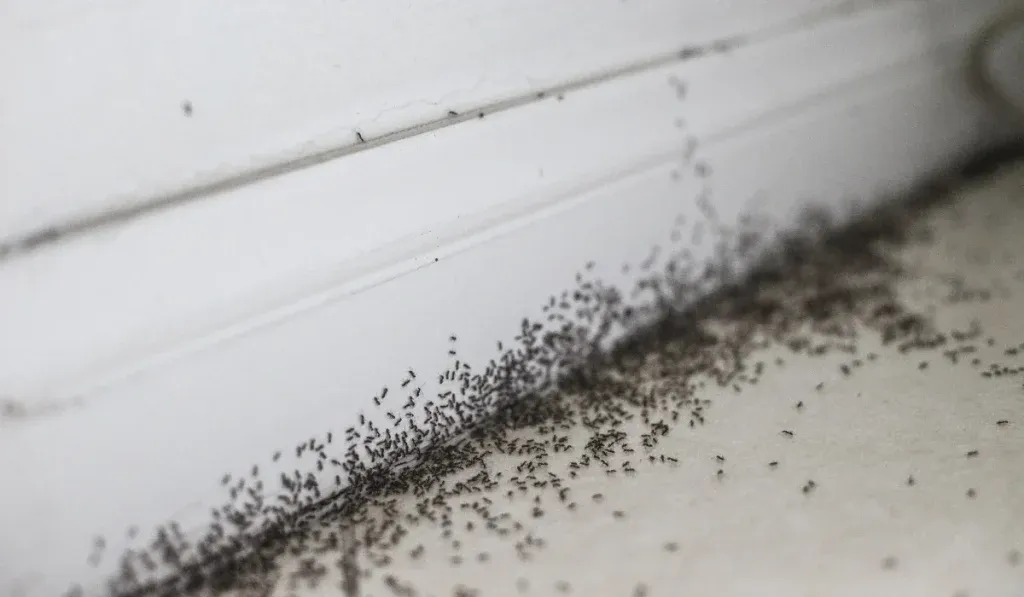
Here in the Big Horn Basin and around Billings, we’re used to critters of all kinds—but ants sneaking into the house? That one gets old fast.
Whether it’s carpenter ants hollowing out wood or just sugar ants getting into the pet food, an ant infestation is more than a nuisance—it’s a reminder that no crumb goes unnoticed.
If you’re the kind of person who doesn’t mind rolling up your sleeves on the weekend, there are plenty of DIY control methods to get rid of ants using items you might already have at home.
Key Takeaways
- White vinegar or lemon juice mixed with water can wipe out scent trails and slow down ant activity.
- Things like baking soda, peppermint oil, and borax work in different ways to kill or repel ants naturally.
- Sealing gaps, wiping surfaces, and storing food properly are simple ways to stop ants from coming back.
- A serious ant problem with big colonies or fire ants usually means it’s time to call a professional.
1. White Vinegar and Water Spray
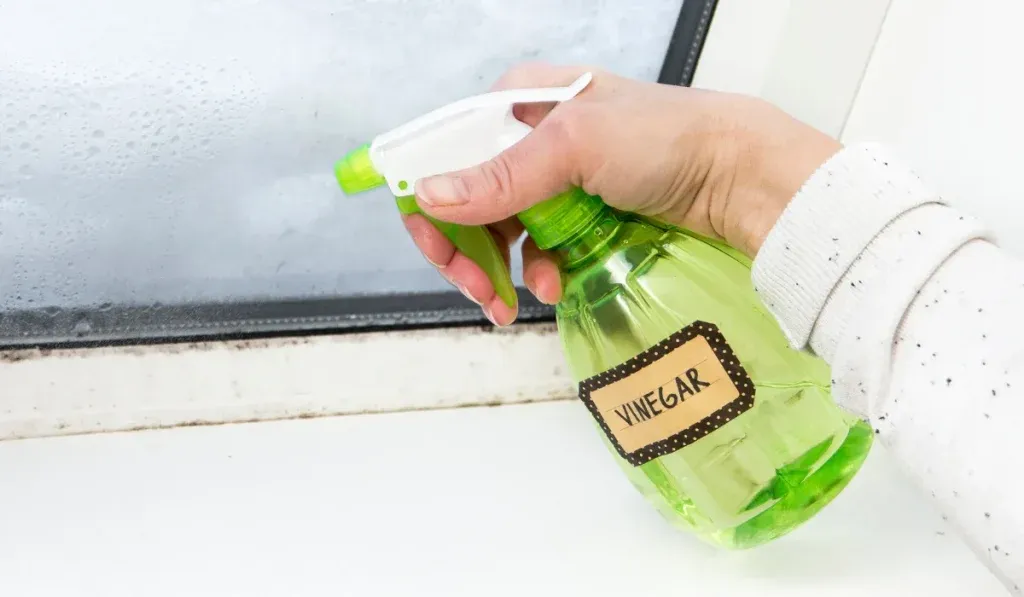
One of the best natural ways to erase scent trails is a mix of equal parts white vinegar and water in a spray bottle. It wipes out the ant trails to food sources.
Spray it along baseboards, sills, windowsills, and other entry points where you’ve seen ants. It’s especially effective for smaller species of ants like odorous house ants, and even in studies involving fire ants, it has been shown to help reduce activity.
2. Diatomaceous Earth
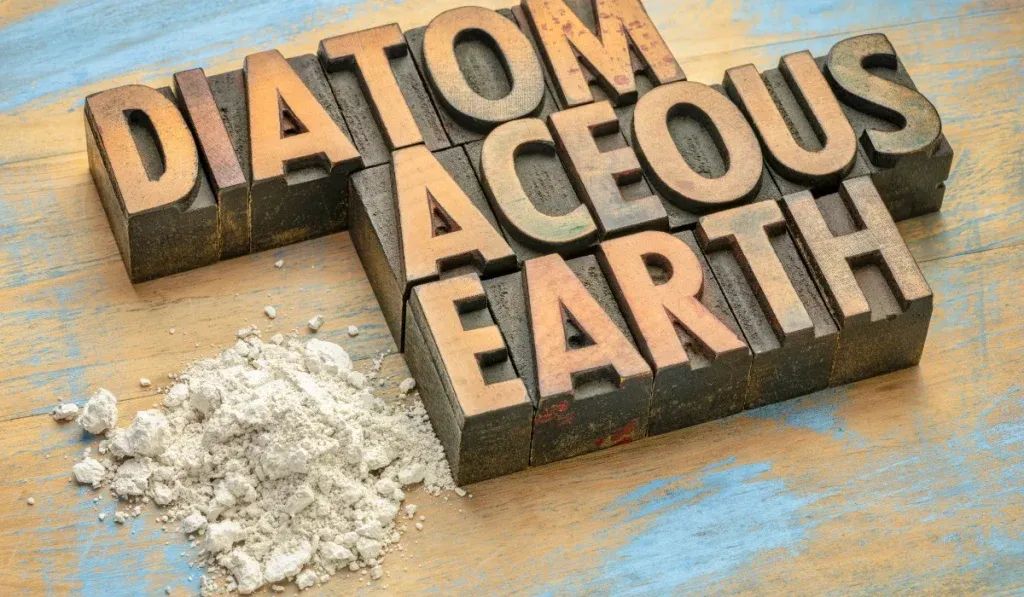
Diatomaceous earth is a natural ant killer that targets the exoskeleton of ants, drying them out after contact. Sprinkle food-grade powder around door thresholds, near pet food bowls, or in crevices along the foundation.
It’s a great option for keeping ants out without risking your pets’ safety.
3. Lemon Juice

The acidity in lemon juice destroys pheromone trails and works as a natural ant repellent. While it alone isn’t always lethal, it has been tested against the red imported fire ant and showed some effectiveness as a deterrent, especially when paired with other methods.
Mix one part lemon juice with three parts water and apply it near suspected entry points.
You can also place citrus peels like orange or lemon rinds in cupboards or corners to keep ants away.
4. Peppermint and Essential Oils
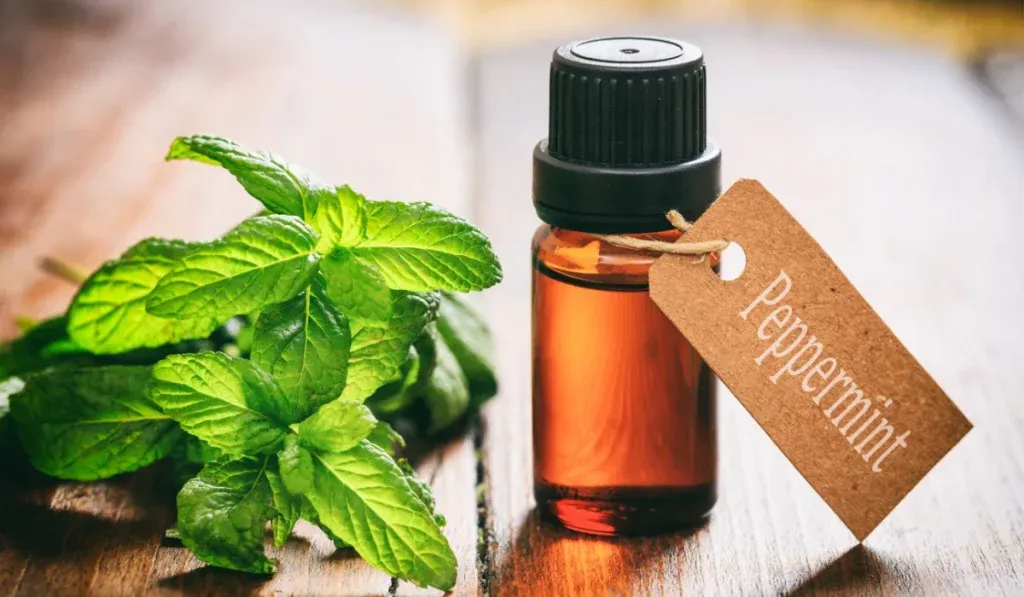
Ants hate strong smells, and peppermint oil is one of the most effective essential oils for repelling them—and research has shown that in high concentrations, it is even more effective than vinegar against aggressive species.
Mix 10 drops of peppermint oil into a cup of water, shake well in a spray bottle, and mist it anywhere you’ve noticed ant activity.
Other oils that work include eucalyptus and tea tree oil. You can also soak cotton balls and place them under appliances or behind furniture.
5. Baking Soda and Powdered Sugar
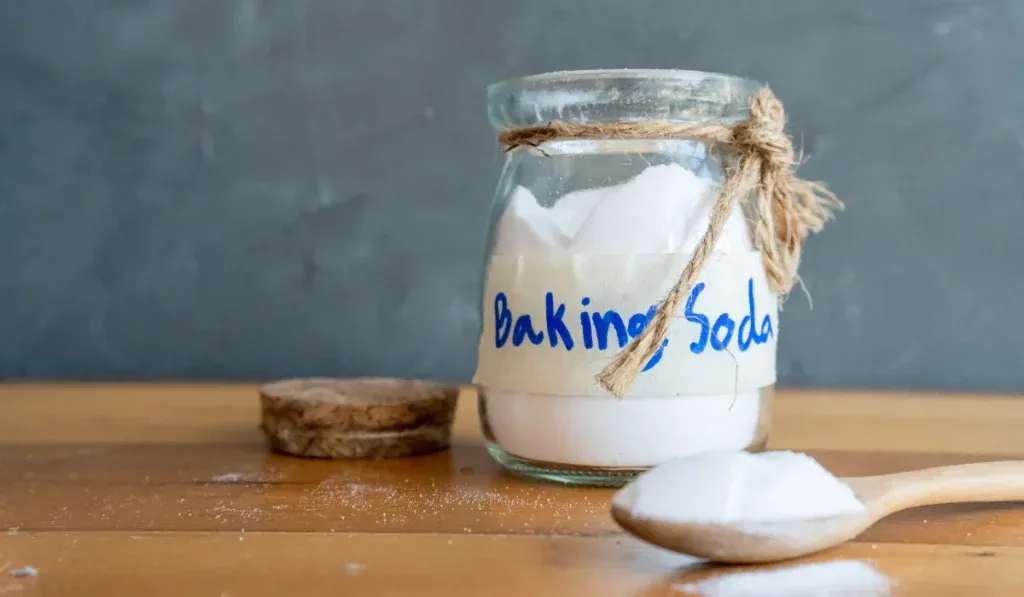
This ant bait works because ants are drawn to the sugar and unknowingly ingest the baking soda, which upsets their digestive system. Mix equal parts baking soda and powdered sugar and place the mixture in shallow lids near ant trails.
Over time, it can reduce the overall population in the ant colony.
6. Cayenne, Black Pepper, and Ground Cinnamon
Spices like cayenne, black pepper, and cinnamon all mess with ants’ ability to communicate. These ingredients don’t kill ants, but they make it difficult for them to follow scent trails or navigate.
In fact, experimental research has shown that black pepper, when used in chalk form, can repel up to 98.33% of ants, thanks to a compound called caryophyllene.
While the effect may only last a few hours, it’s a solid short-term solution when you need to quickly disrupt the ant problem.
7. Boiling Water for Ant Hills
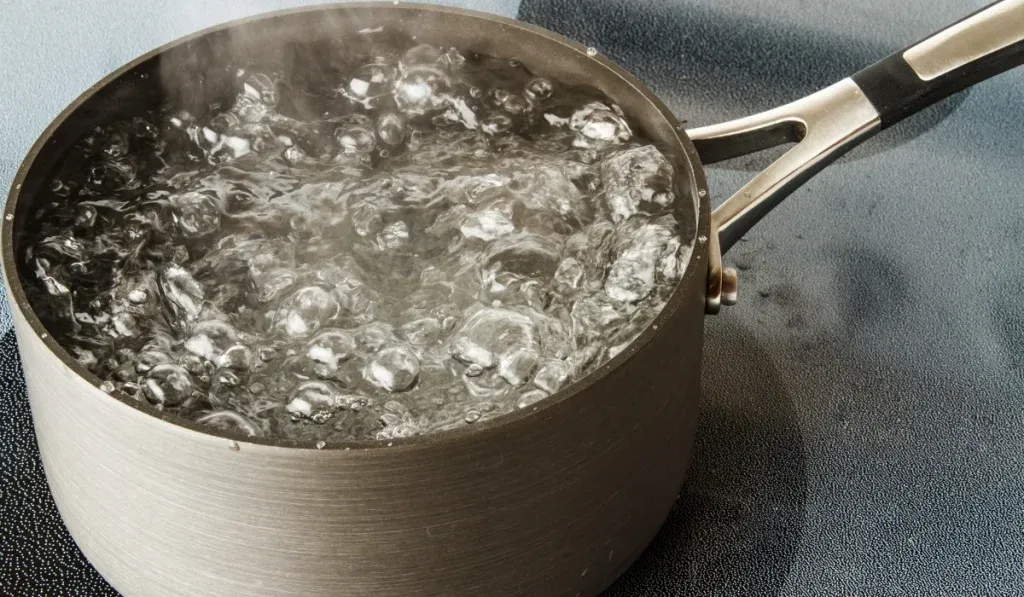
If you find ant hills in your yard, especially near the foundation, pouring boiling water directly into them is a solid first step.
It’s one of the most old-school ant control methods, but it can be surprisingly effective against fire ants or other aggressive types of ants. For stubborn colonies, it may take more than one try.
8. DIY Ant Traps with Borax or Boric Acid
Mix 1 tablespoon of borax (or boric acid) with 3 tablespoons of powdered sugar and a few drops of water to make a paste. You can put this mix on small squares of cardboard or soak cotton balls in it.
Ants carry the bait back to the colony, helping eliminate the queen and the rest of the ants. If you’re short on sugar, cornmeal can be used as a slow-acting bait alternative.
How to Prevent Future Ant Infestations
Knocking out an ant colony is one thing—keeping them from coming back is where real pest control happens.
Here’s how to make your home less attractive to ants moving forward:
- Seal entry points with caulk, especially around baseboards, doors, windows, and utility lines.
- Use airtight containers for dry goods like flour, cereal, and even cornmeal.
- Clean up spills right away, especially anything sweet or greasy on countertops.
- Wipe down surfaces daily with soapy water or vinegar spray to remove food residue and pheromone trails.
- Fix any moisture issues—ants, like termites and fleas, are attracted to water-damaged wood and leaky faucets.
When DIY Natural Remedies Don’t Cut It
Sometimes, even when you’ve tried every trick in the book—dish soap sprays, coffee grounds, bait stations, you name it—the ants keep coming. That’s when it’s time to let a professional handle it.
At Kodiak Pest Control, we don’t just spray and leave. We inspect, identify the type of ant, find the colony, and build a treatment plan that fits your home and lifestyle. Whether it’s fire ants in the yard, carpenter ants in the beams, or just a parade of ants across your kitchen floor, we’ve got a plan for that.
Give us a call—we’ll help you kick them out and keep them out.