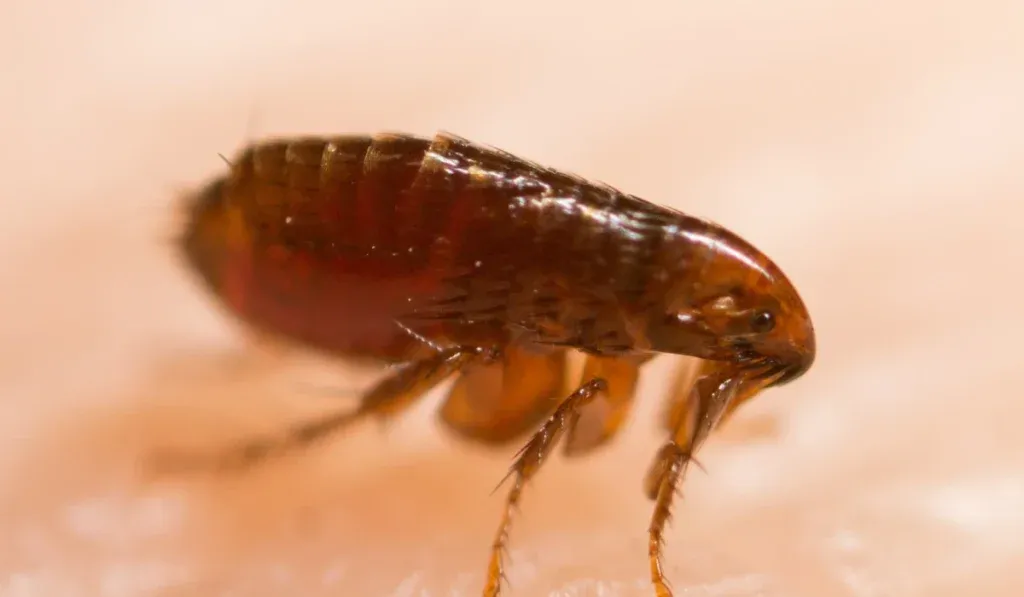
If your dog has been scratching more than usual or you’ve noticed little black specks hopping around your socks, classic signs of fleas, there’s a good chance you’re dealing with a flea problem.
In homes across the Big Horn Basin and Billings, Montana, carpets are one of the most common places fleas take hold. They’re warm, dark, and full of hiding spots, basically a five-star resort for fleas and their eggs.
Knowing how to kill fleas on carpet isn’t just about quick fixes. You need to break the flea life cycle, from adult fleas to eggs, larvae, and pupae. Otherwise, those few itchy bites can turn into a long-term infestation that keeps coming back no matter how many times you vacuum.
Key Takeaways
- Fleas love to burrow into carpet fibers, where they lay eggs and hatch unseen.
- Diatomaceous earth, baking soda, and vacuuming help dry out and kill fleas, but they must be done consistently.
- Washing bedding in hot water and treating pets at the same time is essential.
- If you’re still seeing fleas after a couple of weeks, it’s time to call in professional pest control.
Why Carpet Fleas Keep Coming Back
Fleas are relentless. Once they’ve taken root in your carpet, they don’t just disappear with a vacuum or one-time spray. That’s because they exist in multiple stages: adult fleas, flea eggs, larvae, and pupae, all tucked deep within your carpet fibers. Killing the visible fleas won’t stop a new batch from emerging days later.
Pupae are the real problem; they stay dormant for weeks until heat or vibrations from footsteps make them hatch. If your flea treatment doesn’t target every stage of the life cycle, the pests will keep coming back. Worse, some home remedies only affect adult fleas, leaving the next wave untouched.
You might also be missing crevices, baseboards, and hidden corners during your cleaning efforts. The carpet acts as an incubator, especially in homes with pets, and offers protection from heat, light, and many flea control products. Consistency is key, and if you stop treating too early, you risk a fast re-infestation. That’s why layered, repeated action over several weeks is critical to stop a flea infestation for good.
Start With Serious Vacuuming
Vacuuming is the single most overlooked but essential step in flea removal. A vacuum cleaner doesn’t just suck up adult fleas; it dislodges flea larvae, picks up flea dirt, and pulls loose flea eggs from carpet fibers.
But for it to be effective, it has to be done daily. Skipping a day can give new fleas time to hatch and burrow. Use a model with a strong suction and a HEPA filter, and make sure you’re cleaning baseboards, beneath furniture, and the tight crevices where fleas tend to hide.
Don’t stop at just one pass. Vacuum in multiple directions to agitate the fibers and reach hidden eggs and pupae. After each session, dispose of the vacuum bag or empty the canister in a sealed outdoor trash bin.
Some homeowners forget this step and end up giving hatched fleas a free ride right back into the house. Be especially diligent in areas where your pets sleep or rest, such as near pet bedding, under couches, or around upholstered furniture.
Routine vacuuming is one of the few things that can physically interrupt the flea life cycle, especially when paired with steam cleaning or baking soda treatments.
Diatomaceous Earth: Your Natural Carpet Flea Killer
If you’re leaning toward natural remedies, diatomaceous earth should be at the top of your list. It’s a fine, dusty powder made from fossilized aquatic organisms that works by slicing through a flea’s waxy exoskeleton, causing it to dry out and die.
When applied properly, it can kill adult fleas, flea larvae, and even some emerging pupae. But to be effective, you need to use food-grade diatomaceous earth and apply it across every inch of your carpet. Fleas don’t stay in one spot; they spread to baseboards, pet bedding, and even inside upholstered furniture.
Sprinkle a thin layer using a hand-cranked duster or sieve and gently work it into the carpet with a broom. Leave it for 24 to 48 hours to give it time to dehydrate the fleas. During this time, restrict access to the room so kids and pets don’t stir up the dust.
Afterward, vacuum thoroughly, and empty the canister outside to avoid re-infestation. Don’t expect results in just one treatment. Reapply weekly during active infestations, especially right after you vacuum or steam clean. Diatomaceous earth won’t repel fleas, but it will kill the ones that come in contact with it.
Another option some homeowners try is boric acid, which can dry out fleas much like diatomaceous earth. Just be cautious around pets, as it can be toxic if ingested.
Heat and Moisture: Steam Your Way to Fewer Fleas
When it comes to killing fleas, nothing beats high temperatures. That’s where steam cleaning comes in. A quality steam cleaner reaches temperatures above 200°F, more than enough to kill fleas in every life stage, including the stubborn pupae. It’s especially effective in dense carpeting and upholstered furniture, where heat and moisture can penetrate deeper than vacuums or sprays.
Before steaming, vacuum thoroughly to remove loose debris and flea dirt, which can insulate eggs and larvae. This step also helps prep your carpet for more effective carpet cleaning.
Focus on high-traffic areas and near pet bedding, where fleas often nest. As you move the steam wand across the carpet, go slowly; rushing through won’t allow the steam to reach deep enough. After cleaning, allow the carpet to dry fully before letting pets or kids back in the room.
Steam cleaning leaves no residue, making it safe for homes with allergies or pets. But because it doesn’t offer long-term protection, pair it with a follow-up flea spray or insect growth regulator. The combination knocks down adult fleas and interrupts the flea life cycle.
Used as part of a layered flea treatment, steam gives you the upper hand and helps ensure the problem doesn’t come back.
Clean Everything, Not Just Carpet
Fleas don’t stay in one room. If your pet lounges on the couch or sleeps in your bed, there are likely flea eggs and larvae there too. Wash all pet bedding, blankets, and any washable fabrics your pet touches in hot water. That temperature is high enough to kill fleas at all stages. Dry everything on high heat for best results.
Vacuum around baseboards, under furniture, and in closets. Clean upholstered furniture carefully, especially around seams and cushions. Use a flea comb on your pets regularly and dispose of any fleas you catch in dish soap water. Flea collars can also help repel and kill fleas on pets, especially when combined with other treatments. Staying consistent with cleaning will help prevent future infestations.
Still Seeing Fleas? Time for a Pro
Some flea infestations resist all DIY fixes. If it’s been more than two weeks and you’re still seeing adult fleas or getting flea bites, it may be time to bring in a professional pest control service. DIY methods often fall short, especially if flea eggs keep hatching without you noticing.
At Kodiak Pest Control, our interior flea treatments start at $334 and include two visits. The first treatment uses a fine mist to coat carpet fibers and cracks around baseboards and furniture. We include an insect growth regulator, which helps prevent re-infestation by stopping new fleas from developing. We schedule the second visit about 3 to 4 weeks later to confirm the infestation is gone.
After we treat, you’ll need to keep vacuuming for several days. The vibration helps bring remaining pupae out of dormancy so they can be killed before reproducing.
Some pet owners also use essential oils like lavender or cedarwood as a natural flea repellent, but always check with a vet before applying anything to your pet.
Don’t Let Fleas Take Over Your Weekend
No one wants to spend their Saturday crawling around the living room with a flashlight and a spray bottle. We get it. You’ve got better things to do than wage war on fleas. But taking the time to kill them right and sticking with it pays off in the long run.
If you’re done with guessing, itching, and vacuuming until your back hurts, give Kodiak a call. We’re the only QualityPro-certified pest control company in the region, and we know how to deal with the kinds of flea problems folks in Wyoming and Montana face.
Let us help you take your weekend back. You handle the important stuff: family, work, life. We’ll handle the fleas and help you keep your home flea-free