
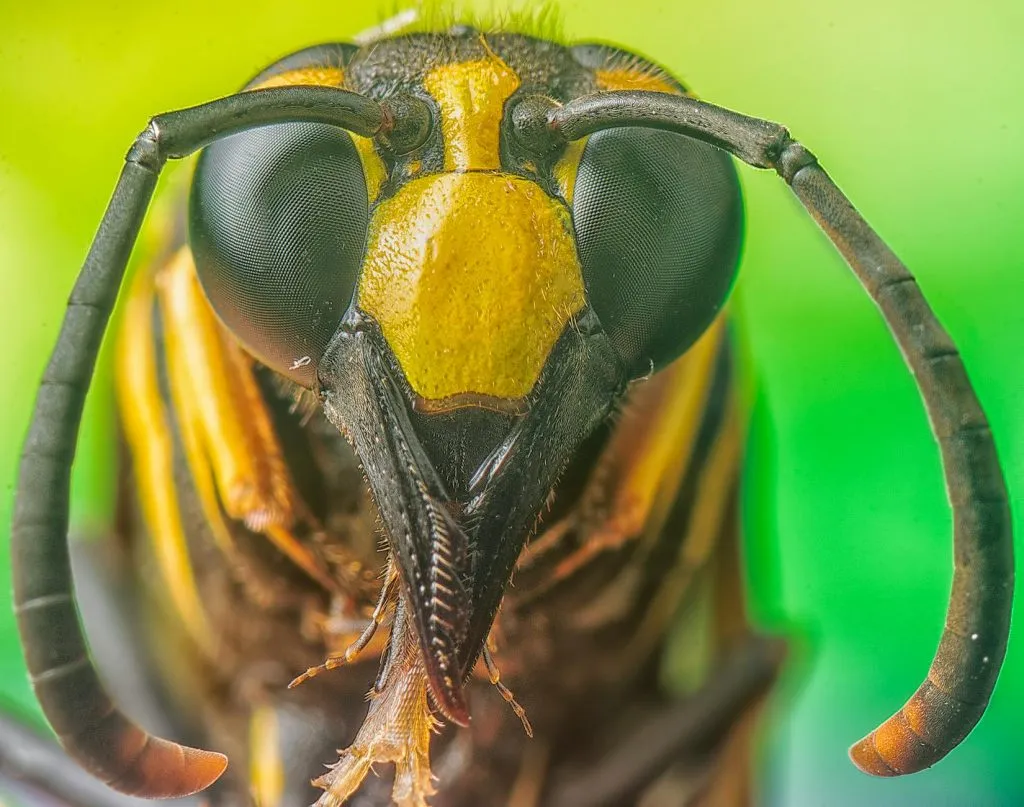
Normal Bee Sting Reaction can cause costly problems when early signs are missed. Learn the signs, risks, and when to call Kodiak Pest Control.
Key Takeaways About Normal Bee Sting Reaction
- A typical reaction to a bee sting involves localized pain and swelling at the sting site, and most people recover without medical intervention.
- Bee venom and wasp venom are different, so a reaction to one type of sting does not predict the same response to another stinging insect.
- Reactions can range from mild discomfort to serious allergic responses, and anyone who experiences difficulty breathing or rapid changes in heart rate after a sting should seek emergency medical care immediately.
- If stinging insects have built nests near your home, a pest control professional can assess the situation and help reduce the chance of unexpected stings.
How to Identify Normal Bee Sting Reaction
Reactions to bee and wasp stings vary from person to person. A normal reaction typically stays close to the sting site and resolves on its own within a few days. Knowing what to look for helps you separate a routine response from something that deserves closer attention.
How to Tell Different Bee Sting Reactions Apart
A normal bee sting reaction usually involves localized pain, redness, and minor swelling right around the sting. These symptoms stay near the area where the stinger entered. In contrast, allergic reactions can develop anywhere on the body and may include hives, swelling in areas away from the sting, nausea, vomiting, abdominal cramps, and headaches, according to UC IPM. If symptoms remain limited to the sting site, the reaction is generally considered normal.
On rare occasions, sting reactions may cause life-threatening anaphylactic shock, as Kansas State University Extension notes. The key distinction is whether symptoms stay localized or spread. A normal reaction does not involve widespread hives, difficulty breathing, or symptoms in parts of the body far from the sting.
How to Spot Bee Activity Inside Your Home
If someone in your household is stung indoors, look for a small raised welt at the sting site along with redness and mild swelling. These signs typically appear soon after the sting. Bees and wasps sometimes enter homes through gaps in siding, open windows, or other small openings. When stings happen inside, the same localized pain and swelling pattern applies.
Watch for any signs that move beyond the sting area. Non-life-threatening allergic reactions such as hives or nausea can develop anywhere on the body. If the reaction stays at the sting location, it falls within the normal range.
Where Bee Activity Shows Up Around Homes
Stings most often happen near areas where bees and wasps nest or forage. Around your home, that can include eaves, soffits, fence posts, and similar exposed surfaces. Paper wasps may also nest underneath gaps in siding, clothesline hollow posts, or RV bumpers. Stings in these zones typically produce the same localized swelling and redness.
Exterior Entry Points Bees Use
Yellow jackets and other stinging insects can nest in the ground, crawl spaces, attics, and wall voids. These concealed nesting spots increase the chance of unexpected stings near doorways, foundation gaps, or attic access points. A normal sting reaction from these encounters still presents as localized pain and swelling at the site. If you notice stinging insects using a consistent entry point around your home, that area is worth monitoring.
Why Normal Bee Sting Reaction Problems Develop
Most bee and wasp stings happen because you crossed paths with a colony’s defense zone. Social bees and wasps sting to defend their colony, and some yellowjacket species can become aggressive during late summer and fall, sometimes stinging unprovoked. Understanding where these insects nest, what draws them close, and how they move around your property helps you recognize a normal sting reaction before it catches you off guard.
Outdoor Nesting Areas for Bees
Bumble bees are social insects that nest in the ground. When their nest is threatened, they can become aggressive and may sting. Yellowjackets also build ground nests, as well as nests in wall voids, crawlspaces, and attics. Paper wasps tend to attach nests to exposed surfaces like eaves, soffits, and fence posts. These locations put colonies close to foot traffic and daily activity around your home.
Food and Shelter That Attract Bees
Social colonies, including yellowjackets, honey bees, and bumble bees, assign dedicated individuals to defend the nest. The more established a colony grows in a sheltered spot near your home, the more defenders are present and the higher your chance of an accidental encounter. Hollow posts, gaps in siding, and other protected voids offer ready-made shelter that colonies may occupy through the warmer months.
How Bees Move Around Homes
Only female bees and wasps are capable of stinging. Their stingers are modified egg-laying structures that deliver venom used defensively when a colony is threatened. According to the University of Minnesota Extension, some yellowjacket species grow more aggressive in late summer and fall and may sting unprovoked, meaning encounters can happen even when you are not near the nest. Not every stinging insect poses the same level of concern. Cicada killers, for example, are typically active for only about two to three weeks per year and are not aggressive.
Trails and Entry Points Bees Use
Bees and wasps follow consistent flight paths between their nest and foraging areas. Common entry points include gaps under siding, RV bumpers, clothesline hollow posts, and openings near eaves. During fall and winter, wasps that overwintered in an attic may wake during a warm spell and move toward interior ceilings. Attempting to treat a yellowjacket nest on your own carries real risk. As the University of Georgia pest guide notes, a mistake during treatment can result in hospitalization or death from excessive stings.
Risks From Normal Bee Sting Reaction
Health Risks Linked to Bee Stings
A normal bee sting reaction causes redness and swelling at the sting site. For most people, the discomfort stays localized and fades on its own. Reactions to wasp stings can range from short-term, intense sensations to substantial swelling, tenderness, and some itching. In certain cases, stinging insects can also trigger life-threatening allergic responses.
Multiple stings carry added concern. According to UC IPM, a second, potentially life-threatening result of multiple stings can occur days after the incident. That delayed timeline means someone who felt fine right after being stung may still face a serious reaction later.
Stinging insects belong to the order Hymenoptera, which includes wasps, bees, and ants. Because several species in this group may nest near your home, the chance of repeated exposure goes up when nests are left in place.
Property Damage From Bee Stings
The sting itself does not damage structures. However, when stinging insects nest on eaves, soffits, fence posts, or underneath gaps in siding, the nest location can become a recurring problem. Paper wasps leave long-lasting pheromones at nesting sites, which can attract other wasps to the same spot. Over time, that cycle can make certain areas of your home a repeated landing zone for new colonies.
Bee Activity in Food Preparation Areas
Outdoor eating areas can bring you closer to stinging insects, especially because these insects often fly around the top of their targets. Standard insect repellent applied to your skin or clothing will not deter stinging insects, so proximity to a nest near a patio or doorway increases the chance of a sting while you are spending time outside.
When to Take a Closer Look at Bee Activity
A single sting with localized redness and swelling at the sting site usually falls within the normal range. Pay closer attention if you notice multiple stinging insects around your roofline, siding gaps, or outdoor living spaces. Repeated activity in the same area may point to an active nest nearby.
Because reactions to wasp stings can vary widely, and because repellent will not keep stinging insects away, reducing the number of active nests around your property is the most practical way to lower your household’s exposure to stings.
Professional Pest Control for Normal Bee Sting Reaction
A normal bee sting reaction can be uncomfortable, but it usually resolves on its own with basic care. The bigger concern for homeowners is the nest that caused the sting in the first place. Reducing the chance of future stings starts with managing attractants, inspecting your property, and addressing active nests before they grow.
How to Reduce Attractants for Bees
Bees and wasps are drawn to properties that offer nesting opportunities. Paper wasps often build on exposed surfaces such as eaves, soffits, and fence posts. Keeping these areas maintained and sealed where possible helps reduce nesting activity around your home.
Yellow jackets may nest in the ground, crawlspaces, attics, or wall voids. Limiting access to these sheltered spaces makes your property less inviting. Wasps leave long-lasting pheromones at previous nesting sites, which can attract new wasps to the same spots, so removing old nests and treating those areas is an important step.
Why Bee Sting Prevention Starts With Inspection
If someone in your household has been stung, there is likely an active nest nearby. An inspection of eaves, siding gaps, ground-level openings, and wall voids helps locate nests that may be hidden or hard to reach. Exposed nests are sometimes obvious under eaves or along fence lines, but ground nests and wall-void colonies can go unnoticed until stings occur.
Identifying the species matters, too. Paper wasps, yellow jackets, bald-faced hornets, and bees each call for different treatment approaches. Kodiak Pest Control evaluates the nest location, species, and accessibility before recommending a plan.
What to Expect During Professional Bee Treatment
For paper wasps, Kodiak sprays exposed nests with a knockdown product and removes the nest. Voids where wasps were nesting are dusted to address pheromone residue and discourage re-nesting. For yellow jackets or bald-faced hornets with exposed nests, the nest is treated and removed when reachable.
When nests are in the ground, a crawlspace, an attic, or a wall void, Kodiak uses a transferable product that spreads through the colony as foraging wasps return. This approach can reach individuals that are away from the nest at the time of treatment. A bee suit may be used depending on proximity to the nest entrance.
For bees, Kodiak tries to protect them and will harvest swarms when possible. If a hive cannot be removed without tearing structures apart, it is treated the same way as a yellow jacket nest.
What to Expect From a Bee Control Plan
Depending on the season, Kodiak typically schedules a follow-up service to renew barriers and address any survivors that attempt to rebuild. For yellow jackets and hornets, at least one follow-up is standard to handle remaining activity or new arrivals drawn by pheromones.
Kodiak treats potential entry points from the attic to the interior with residual products and dusts to manage these late-season intrusions.
If you or a family member experiences a sting, applying ice packs and taking oral antihistamines can help relieve typical symptoms. According to UC IPM, allergic reactions are rare, but you should seek medical help if you notice hives, difficulty breathing, or swelling of the face, lips, tongue, or throat.
Bottom Line on Normal Bee Sting Reaction
Understanding what falls within that normal range helps you decide when simple home care is enough and when you need medical attention. Reactions can vary from person to person, and some situations call for professional nest removal rather than a DIY approach. If you have a nest near your home that puts your household at risk of repeated stings, contact Kodiak Pest Control to request a quote for low-risk removal.
Frequently Asked Questions
How Long Does a Normal Sting Reaction Usually Last?
Most mild sting symptoms improve with basic home care such as ice packs and oral antihistamines. If swelling continues to spread after 48 hours or you notice worsening symptoms, check in with a healthcare provider.
When Should I Be Concerned About a Sting?
Reactions vary from person to person, and in rare cases a sting can cause a serious allergic response. Signs of a serious allergic reaction warrant immediate medical attention. Anyone with a known sting allergy should consult their doctor about emergency preparedness.
Should I Remove a Nest Myself?
Disturbing a nest without proper training and equipment can be dangerous. A misstep during treatment of an active nest, particularly a yellowjacket colony, can lead to many stings in a short time. Professional removal reduces that risk for you and your household.
How Does Kodiak Handle Bee and Wasp Nests?
The approach depends on the species and nest location. For exposed paper wasp nests, the team sprays the nest with a knockdown product and removes it, then dusts nearby voids to address lingering pheromones that can attract new wasps. For yellowjackets or bald-faced hornets in hard-to-reach spots like wall voids or underground cavities, a transferrable product is applied that spreads through the colony. A follow-up visit is typically scheduled to address any survivors or rebuilding activity.
Our methodology: how we research pest control topics
Every Kodiak Pest Control article follows the same standard we hold our service work to: clear, accurate, and grounded in what actually works on a real Montana or Wyoming home. Homeowners across Billings and the Big Horn Basin count on us for honest pest information they can act on, and we treat the writing the same way.
We build our content from a combination of government guidance, peer-reviewed research, and the patterns our technicians see across homes in the regions we serve. Here is how we approach each article:
Studying pest behavior
We start with how each pest actually lives — where it nests, how it spreads, and what conditions support it. The high desert and basin climates of our service area shift pest pressure across the year, and understanding pest biology in this regional context is what keeps our recommendations practical.
Reviewing health and home risks
We review research on how each pest affects human health and home structures. Some pests are a nuisance. Others trigger allergies, carry bacteria, or cause structural damage. Knowing the actual risk helps homeowners decide how urgently to act.
Using Integrated Pest Management
Our recommendations are grounded in Integrated Pest Management (IPM), the framework supported by the USDA and EPA. IPM combines monitoring, sanitation, exclusion, and targeted treatment to reduce pest populations while limiting unnecessary product use.
Prioritizing prevention and lasting protection
A pest problem rarely ends with one treatment. We focus on the conditions that allow infestations to start in the first place — moisture, food sources, gaps around the home, harborage zones — because long-term control depends on changing the environment, not just treating the symptoms.
Citing peer-reviewed and government sources
Whenever possible, we support our recommendations with peer-reviewed studies, university extension research, and guidance from agencies like the EPA, CDC, and USDA. Each source we cite is listed at the end of the article.
Why trust us
Kodiak Pest Control is owner-operated by Jacob Haslem, serving homeowners across Billings, Laurel, Billings Heights, and Lockwood in Montana, and across Cowley, Lovell, Powell, Worland, and Greybull in Wyoming. We are a regional operation that knows the pests, the climate, and the homes in our service area.
That same standard runs through our content. The information you read here reflects what our technicians see in the field, what current research supports, and what we have learned from servicing homes across the Big Horn Basin and the Yellowstone County region.
Our credentials
- Owner-operated by Jacob Haslem
- Service across Billings, Laurel, Billings Heights, Lockwood (MT) and Cowley, Lovell, Powell, Worland, Greybull (WY)
- General pest control, specialty pest services, and seasonal treatments
- Trained pest control technicians on staff
- Continuous review of research, regulations, and regional pest pressure
Sources and standards we reference
To keep our content accurate and up to date, we rely on established research and authority sources, including:
Environmental Protection Agency (EPA):
Guidelines on product use, labeling, and approved applications.
Centers for Disease Control and Prevention (CDC):
Public-health guidance on pests that affect human health, including mosquitoes, ticks, rodents, and cockroaches.
United States Department of Agriculture (USDA):
Integrated Pest Management standards and pest biology research.
National Pest Management Association (NPMA):
Industry standards, pest behavior research, and seasonal trend reporting.
Montana State University Extension and University of Wyoming Extension:
Peer-reviewed, region-specific research on pest biology and control methods relevant to Montana and Wyoming homes.
Peer-reviewed journals:
Research published in entomology, public health, and environmental science journals to support specific claims about pest behavior, health risks, and treatment efficacy.
Article sources
The following sources were specifically referenced in the research and development of this article:
- UC IPM
- Kansas State University Extension
- University of Minnesota Extension
- University of Georgia pest guide
- UC IPM
All information is accurate at the time of publication and is reviewed regularly to reflect current research and pest control standards.




