
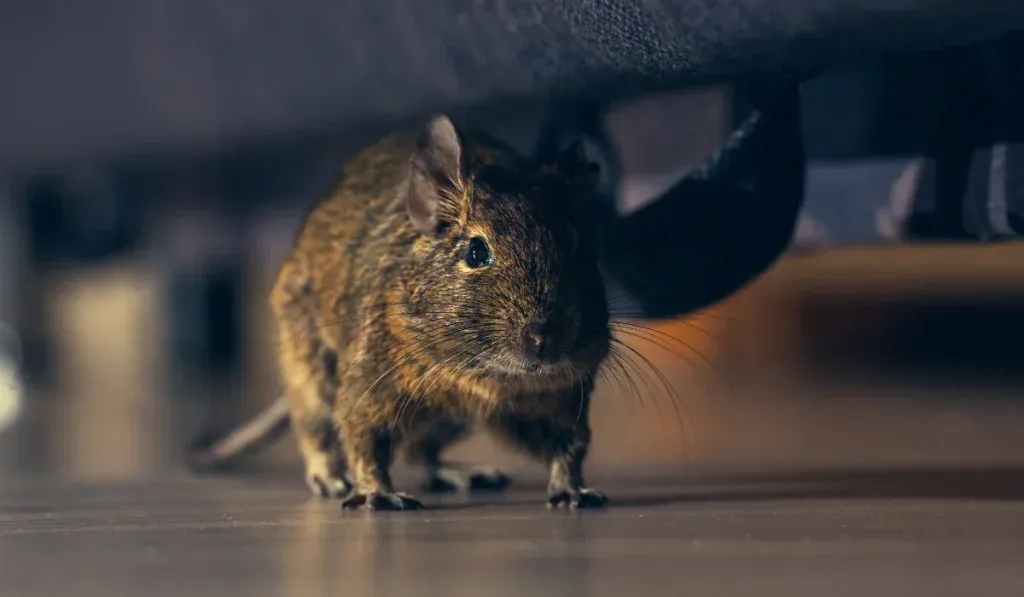
The rodents of Montana include much more than the mice you may find in a garage or hear inside a wall. Montana is home to mice, woodrats, voles, pocket gophers, ground squirrels, and larger native rodents, but only some regularly create problems around buildings. This guide explains the main rodent groups you may encounter, how indoor and outdoor activity differ, which signs deserve attention, and what you can do when rodents start using your home or property for food, shelter, or nesting space.
Rodents of Montana: What Counts as a Rodent?
Rodents are mammals grouped in the order Rodentia. One of the traits that sets them apart is a pair of continuously growing incisors in the upper and lower jaws. Those teeth are adapted for gnawing, which explains why animals that look and behave very differently can still belong to the same group.
The Montana Field Guide provides state-specific information about Montana wildlife and is a useful reference when you need to confirm a particular species or its distribution. Rodents found in Montana include animals commonly known as mice, woodrats, voles, ground squirrels, pocket gophers, beavers, muskrats, marmots, and porcupines.
For a homeowner, knowing that an animal is a rodent only gets you so far. A mouse nesting behind stored boxes calls for a different response than a pocket gopher tunneling through a yard. Where the animal is active and what evidence it leaves can tell you much more about the problem.
Common Rodents of Montana You May Encounter
Some Montana rodents are closely associated with buildings, while others spend their time outdoors. Separating those two situations helps you narrow down what you are seeing before deciding what to do next.
Mice in Montana
Mice are the main indoor rodent issue Kodiak Pest Control reports encountering in its service area. Kodiak’s service information notes that technicians are usually dealing with mice rather than Norway rats or roof rats, while woodrats appear less often.
Why Mice Matter Locally
That local distinction matters in Billings and the surrounding region. If you hear scratching in a wall, notice small droppings in a cabinet, or find holes in a food package, a mouse is a more relevant starting point than assuming you have a typical urban rat problem.
Kodiak’s experience also helps separate local pest pressure from advice written for other parts of the country. Rodent problems vary by region, so identification should reflect the animals technicians actually encounter in Montana homes.
Where Mice Get Inside
Mice can enter buildings through gaps and openings around:
- Exterior penetrations and vents
- Garage access points
- Siding
- Foundations
- Doors
- Windows
Kodiak checks these areas during rodent inspections because they can provide access to garages, wall spaces, storage rooms, closets, and other sheltered parts of a home.
Once mice get inside, food and nesting materials can make those spaces more attractive. Stored food, pet food, cardboard, and soft materials are all worth checking when you are trying to understand why mouse activity is continuing.
Deer Mice and Safe Cleanup
Deer mice deserve extra attention because they are associated with hantavirus. You do not need to identify a mouse species from its droppings before treating rodent contamination carefully.
If you find droppings, urine, or nesting material in an enclosed area, follow current CDC hantavirus cleanup guidance rather than sweeping or vacuuming dry contaminated material. Safe cleanup should be handled separately from the work of finding active rodents and closing off their access points.
Woodrats and Pack Rats in Montana
The word “rat” can be misleading in this part of the country. Kodiak reports that the rats it encounters in its service area are woodrats, also called pack rats, rather than the Norway rats and roof rats commonly discussed in pest information written for other regions.
That does not mean every large rodent you see is a woodrat. Identification should still account for the animal’s appearance, the location, and the evidence around the property.
For pest-control purposes, Kodiak approaches woodrat problems in much the same way it approaches mice. The company notes that larger snap traps may be needed when traps are part of the service. The broader process still starts with locating activity and understanding how the animal is using the structure.
Voles and Pocket Gophers
Voles and pocket gophers belong in a different category from mice living inside a house. Kodiak treats both as turf rodent problems and notes that they can occur on the same yard or property or appear separately.
If the evidence is concentrated in a lawn, landscaped area, or open ground, start by looking at what is happening outdoors instead of assuming the animal is entering the house. Burrowing, tunneling, and disturbed soil point toward a different type of rodent issue than droppings under a kitchen sink.
Montana State University Extension is a useful source for information about outdoor rodents and other animals affecting Montana yards, gardens, and agricultural property.
Ground Squirrels and Larger Native Rodents
Ground squirrels are another rodent group associated more closely with outdoor habitat than indoor infestations. The same general distinction applies to much larger rodents such as beavers, muskrats, marmots, and porcupines.
Seeing one of these animals near a property does not mean you have the same kind of problem as a mouse inside the garage. Some rodents belong naturally in surrounding outdoor habitat, while others become a concern when they enter structures or repeatedly damage areas people use.
| Rodent Group | Where You May Notice Activity | What the Activity May Indicate |
|---|---|---|
| Mice | Garages, cabinets, wall spaces, storage areas | Indoor entry, feeding, or nesting activity |
| Woodrats or pack rats | Garages, sheds, sheltered areas | A less common structural rodent issue in Kodiak’s service area |
| Voles and pocket gophers | Lawns, landscaping, open ground | Outdoor or turf rodent activity |
| Ground squirrels | Yards and other outdoor areas | Burrowing activity outside the structure |
| Larger native rodents | Natural areas and habitat suited to the species | Wildlife activity rather than an indoor pest problem |
Which Rodents of Montana Cause Problems Around Homes?
For Kodiak customers, mice are the rodent most closely associated with indoor service calls, while woodrats are encountered less often. Other rodents may be active on a property without ever moving into the home.
When mice do get inside, three conditions deserve attention: access, food, and nesting material. A garage with a gap around an exterior opening, accessible pet food, and boxes of soft materials gives a mouse more opportunities than a tightly sealed, well-organized space.
The location of the evidence can also help focus your inspection. Kodiak lists several signs associated with mice, including:
- Scratching or scurrying sounds in walls or beneath floors
- Small holes in food bags
- Small, dark droppings
- Nests made from materials such as clothing or cardboard
- Repeated travel marks along surfaces
- Pets showing unusual interest in furniture or appliances
These signs do not identify a species by themselves, but they can help confirm that rodent activity is occurring.
How to Handle Rodent Droppings Safely
Rodent droppings are more than an identification clue. Deer mice are associated with Sin Nombre virus, which can cause hantavirus pulmonary syndrome, so dry rodent waste and contaminated nesting material should be handled according to public-health guidance.
The Centers for Disease Control and Prevention’s hantavirus guidance advises against sweeping or vacuuming dry rodent-contaminated material before it has been handled according to recommended cleanup procedures. Follow the CDC’s current instructions when dealing with droppings, urine, nesting debris, or a rodent-contaminated enclosed space.
Cleanup and rodent control solve different parts of the problem. Removing old droppings does not address active mice, and catching a mouse does not remove contaminated material. If new droppings keep appearing after cleanup, you still need to determine where the rodents are active and how they are entering.
How to Keep Rodents Out of Montana Homes and Outbuildings
Keeping Montana rodents out of a structure works best when you reduce the things that attract them while addressing access points. Kodiak’s homeowner guidance focuses on food, nesting material, and openings into the building.
Reduce Accessible Food
Store pantry goods and animal feed in sturdy containers, put away uneaten pet food, and clean spills promptly. These steps reduce easy feeding opportunities without requiring you to know exactly where a mouse is nesting.
Garages and outbuildings need the same attention as kitchens. Bags of feed or food stored in a shed can create an opportunity even when the house itself is well maintained.
Limit Nesting Material
Soft items stored in quiet areas can provide material for mouse nests. Kodiak recommends keeping blankets, fabrics, and similar materials in durable storage bins rather than loose bags or cardboard.
Regularly checking storage areas also helps you catch new activity sooner. A box that has not moved for months can hide signs you would notice quickly in a frequently used room.
Check Common Entry Areas
Inspect the structure for openings around:
- Exterior penetrations and vents
- Garage access points
- Siding
- Foundations
- Doors
- Windows
The goal is not to seal random gaps and assume the problem is solved. Look at entry points alongside fresh droppings, travel marks, noises, and nesting evidence so the work addresses the areas rodents are actually using.
When Rodent Activity Needs a Closer Look
Some rodent problems have an obvious source. Others are harder to trace, especially when you hear movement inside walls, find recurring droppings, or cannot tell whether you are dealing with a mouse, woodrat, or outdoor rodent.
Kodiak’s rodent service process includes inspection, treatment, reporting, and follow-up. The company also uses several types of traps when appropriate, including glue boards, snap traps, and multi-catch traps. Follow-up service can include another inspection and adjustments based on whether activity continues.
That inspection-first approach matters because the animal you saw once may not reveal the full issue. Where rodents are entering, where they are nesting, and whether the surrounding property is supporting continued activity all affect what needs to happen next.
Understanding Rodents of Montana Around Your Property
The rodents of Montana range from mice and woodrats around buildings to voles, pocket gophers, ground squirrels, and larger native wildlife outdoors. The most useful question is not simply, “Is this a rodent?” It is whether the animal is entering a structure, damaging an area of the property, or simply living in suitable outdoor habitat.
If you find droppings, hear movement inside walls, or keep seeing other signs of indoor rodent activity, Kodiak Pest Control can inspect the property and determine what is happening. With 24 years of combined experience serving homes in Wyoming and Montana, Kodiak focuses on the conditions and entry points present at your property rather than treating every rodent problem the same way. You can contact Kodiak Pest Control to schedule service when mice, woodrats, or other problem rodents are making themselves at home where they do not belong.




