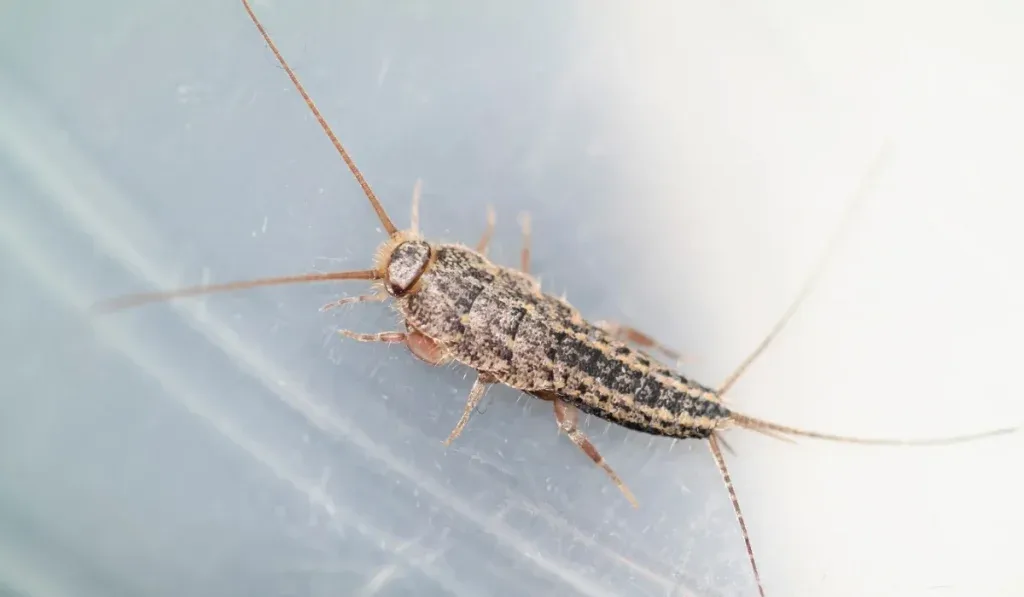
If you open a box of books or clothes and see tiny, silvery bugs dart away, those are silverfish. These wingless insects thrive in storage areas across Wyoming and Montana, where basements and attics often hold everything from old yearbooks to winter coats.
Silverfish can quickly damage books, clothing, and stored documents.
In this article, you’ll learn what attracts silverfish, how they damage stored items, and practical steps you can take to keep storage spaces pest-free. You’ll also learn how pest control in the Big Horn Basin and Billings can provide lasting solutions when infestations spread.
Key Takeaways
- Silverfish in storage thrive in humid areas with food sources like cardboard, textiles, and paper products.
- Signs of silverfish infestation include droppings, shed skins, and silverfish damage to stored items such as book bindings and starchy foods.
- Preventive measures include lowering humidity levels, sealing crevices, and switching to airtight containers.
- Professional pest control services provide long-term protection for homeowners by treating storage areas and surrounding landscapes.
Why Silverfish Thrive in Storage Spaces
Silverfish thrive in humid, undisturbed areas like attics, basements, and closets. Even a single cardboard box can provide both shelter and food.
These wingless insects feed on cellulose and starch, including book bindings, fabrics, and wallpaper glue. Because of this diet, stored items like photo albums, paper products, and clothing become easy targets. If left untreated, infestations spread across boxes and shelves, causing costly damage.
Storage areas often have cracks along baseboards and between boxes where silverfish hide during the day. They feed at night, which makes infestations hard to notice until damage appears.
Common Signs of Silverfish Infestation
Recognizing silverfish infestation early is the best way to prevent storage damage. These critters move quickly and prefer the dark, but they leave behind clues.
Look for irregular holes in paper goods or stored foods, pepper-like droppings near boxes, and shed skins or yellow stains on books and fabrics.
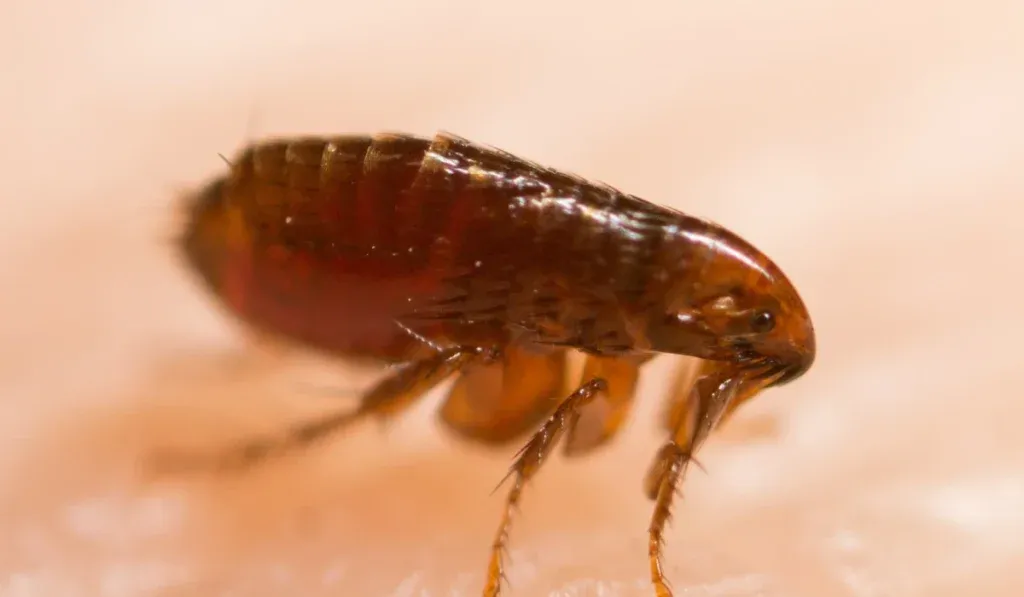
Homeowners sometimes mistake silverfish for cockroaches, carpet beetles, or centipedes. Unlike roaches, silverfish don’t spread disease, but they still ruin books, fabrics, and stored items.
What Silverfish Eat in Storage Areas
Silverfish eat more than starchy foods. In storage areas, they also consume cellulose-based materials. They feed on paper, cardboard, and book bindings, making libraries and home offices especially vulnerable.
They also feed on textiles like linens, uniforms, and quilts. Mothballs do little to stop them because silverfish actively seek out humidity and food sources.
While they don’t bite humans, silverfish can ruin stored items and weaken important documents if left unchecked.
Preventive Measures to Keep Silverfish Out
To get rid of silverfish and prevent future infestations, you need a combination of preventive measures and direct treatment.
Start by controlling humidity levels. A dehumidifier in attics or basements helps reduce the damp conditions silverfish love. Inspect humid areas regularly, especially where stored items touch the floor or walls.
Replace cardboard boxes with airtight plastic containers. Cardboard supplies both food and hiding spots, while sealed containers keep items protected.
Seal cracks, crevices, and gaps along baseboards, windows, and door frames. This step blocks entry points and reduces hiding spots. Regularly vacuum storage spaces to remove droppings, shed skins, and potential food sources.
Some homeowners use lavender or citrus sprays, but these work only as mild repellents. Diatomaceous earth, when sprinkled lightly along crevices and baseboards, can also help by dehydrating silverfish on contact.
When to Consider Professional Pest Control
If you’ve already spotted silverfish or noticed damage in storage, DIY steps may not be enough. A silverfish infestation can spread quickly across multiple storage areas, especially in humid environments.
Professional pest control services provide more than just extermination. At Kodiak Pest Control, inspections start with finding problem conditions such as excess humidity or available food sources. We then treat cracks, crevices, and outdoor harborage areas to stop pests where they live.
Unlike DIY fixes, professional pest control uses layered treatments. Our technicians treat storage areas and surrounding landscapes to keep silverfish and other pests from returning.
For homeowners in the Big Horn Basin and Billings, calling for professional pest control is often the best way to protect stored items, from important documents to heirloom textiles.
Making the Right Choice for Silverfish in Storage
Silverfish may seem small, but they can steadily damage the belongings you’ve stored away. Rather than worrying about hidden pests, you can protect your items with the right help.
Kodiak Pest Control provides proven treatments across Wyoming and Montana that go beyond quick fixes and deliver lasting protection.
Contact us today to schedule an inspection and keep your storage areas safe from silverfish and other pests.
FAQs
How do I know if I have silverfish in my storage spaces?
Look for small pepper-like droppings, yellow stains, or irregular holes in stored paper products and textiles. Spotting fast-moving, silvery wingless insects at night is also a sign.
Can silverfish eat through plastic containers?
No, silverfish cannot chew through airtight containers or solid plastic. Storing items in sealed plastic containers is one of the most effective ways to keep them out of reach.
Do silverfish infestations mean I have other pests, too?
Silverfish often share humid environments with household pests like cockroaches, carpet beetles, and centipedes, although not always. A professional inspection can determine if multiple critters are present.