
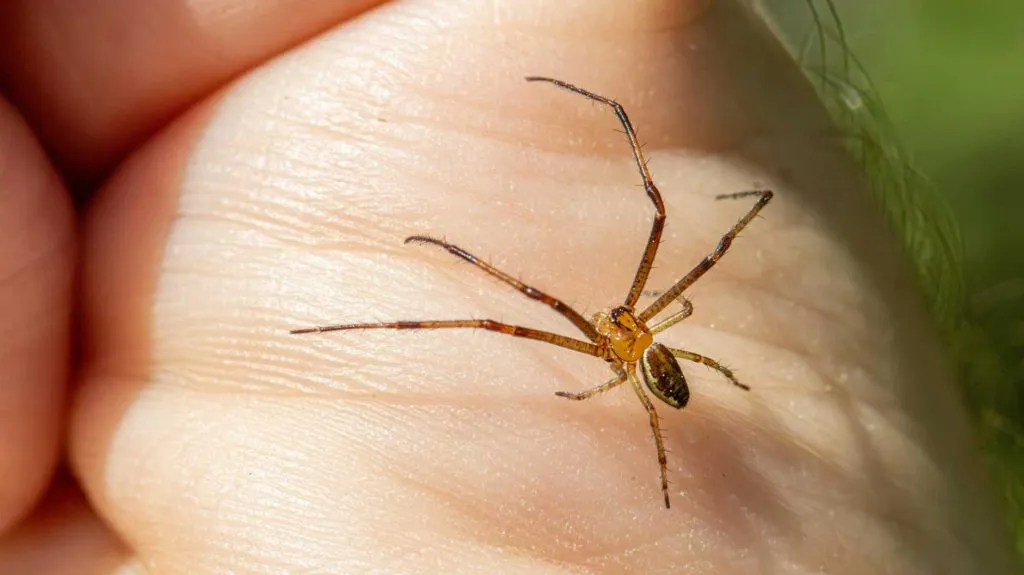
Spider Bites On Humans can cause costly problems when early signs are missed. Learn the signs, risks, and when to call Kodiak Pest Control.
Key Takeaways About Spider Bites
- Most spider bites on humans are mild, and only a few spider species carry venom that poses a serious concern for people.
- Suspected spider bites are often misdiagnosed, so learning to tell an actual bite from other skin conditions can help you respond appropriately.
- Reducing clutter and debris around your home limits the sheltered spots where spiders tend to hide, lowering the chance of an accidental bite.
- When spider activity around your home becomes a concern, a pest control professional can assess the situation and recommend next steps.
How to Identify Spider Bites on Your Skin
Most spider encounters in and around your home never result in a bite. However, understanding which spiders can bite through human skin helps you respond appropriately if you or a family member finds a suspicious mark. Not every spider poses the same level of concern, and knowing where these spiders tend to hide gives you a practical advantage.
How to Tell Different Spider Bites Apart
One important distinction involves the black widow spider. While both male and female black widows possess venom, according to UC IPM, the male black widow’s fangs are too small to break human skin. Female black widows, on the other hand, can deliver venomous bites. This means that not every black widow encounter carries the same risk, and identifying the spider involved matters when assessing a bite.
If you find a mark and suspect a spider bite, try to observe or safely capture the spider for identification. Knowing whether the spider is capable of breaking skin can help you decide on next steps.
How to Spot Spider Activity Inside Your Home
Black widow spiders can hide in areas where stored items accumulate. As Texas A&M AgriLife Extension notes, homeowners should take precautions when dealing with stored items or working in areas where these spiders might hide. Boxes, bins, and cluttered storage spaces can go undisturbed for long stretches, giving spiders a quiet place to settle in.
Bites often happen when someone reaches into a space without checking first. Moving stored belongings, reorganizing a closet, or sorting through seasonal gear can bring your hands close to a hidden spider.
Where Spiders Show Up Around Your Home
Around the exterior of your home, black widow spiders may settle into sheltered, low-traffic spots. Garages, sheds, and crawl spaces are common areas where these spiders can go unnoticed. Any area where items sit undisturbed for weeks or months can become a potential hiding spot.
When working in these areas, wear gloves and check spaces visually before reaching in. A quick look with a flashlight can reveal webbing or a spider tucked into a corner.
Exterior Entry Points Spiders Use
Spiders follow gaps and openings to move between outdoor and indoor spaces. Black widow spiders that have established themselves near your home’s exterior may eventually find their way inside through the same entry points used by other pests. Keeping storage areas organized and reducing clutter both indoors and outdoors can limit the sheltered spots these spiders prefer.
Being aware of where black widow spiders tend to hide and taking simple precautions when handling stored items are practical steps any homeowner can take to reduce the chance of an unexpected bite.
Why Spider Bite Problems Develop
Most spiders can produce venom and may bite, yet only a few species pose a serious concern. According to Mississippi State University Extension, the black widow, brown widow, and brown recluse are among the species seriously venomous to humans. Understanding where these spiders live, what draws them close, and how they enter your home helps explain why bites on humans happen in the first place.
Outdoor Nesting Areas for Spiders
Spiders that may bite tend to favor undisturbed outdoor spots. Piled-up debris outdoors can provide good habitat for black widow spiders specifically. Keeping yard clutter from accumulating reduces the sheltered spaces these spiders prefer. Brown recluse spiders frequently coexist near humans without incident, but outdoor harborage close to your home raises the chance of an unexpected encounter.
Food and Shelter That Attract Spiders
Spiders follow their prey. When insects gather around lights, moisture, or stored items near a structure, spiders move in to feed. Black widows are less common inside homes than brown recluse spiders, but both seek quiet, low-traffic areas where prey is available and disturbance is minimal.
How Spiders Move Around Homes
Many household spiders are not aggressive. Jumping spiders, for example, are not aggressive and their bite is not considered dangerous. Most cobweb spiders, apart from widow species, are similarly non-aggressive. Still, secondary bacterial infections related to any spider bite are always possible, although rare. Problems develop when spiders settle into spaces you use regularly, increasing the odds of accidental contact.
Trails and Entry Points Spiders Use
Neither black widow spiders nor brown recluse are native to the upper Midwest and are rarely encountered in that region. In areas where they do occur, these spiders can move indoors through gaps around the home’s exterior. Once inside, brown recluse spiders may coexist with residents for extended periods without incident. Bites typically happen when a person presses against a hidden spider without realizing it, not because the spider seeks out contact.
Risks From Spider Bites On Humans
Health Risks Linked to Spider Bites
Symptoms from venomous spider bites can range from mild to severe, according to Oregon State University Solve Pest Problems. However, most spider species produce bites that are not much more toxic to humans than those of other common spiders. The black widow stands out as a notable exception, with a bite considered more dangerous than those of many other species.
One important point for homeowners: many suspected spider bites are misidentified. According to the University of Minnesota Extension, most people and even medical doctors over-diagnose a “potential spider bite” based on symptoms such as redness, swelling, cramps, severe pain, or necrotic lesions. These symptoms are usually caused by other factors, including diseases, medical conditions, and bacterial skin infections.
Property Damage From Spiders
Spider bites themselves do not cause property damage. However, spider activity around your home can become a nuisance. Some species deposit egg sacs on walls, tree bark, leaves, and nearby structures. Joro spiders, for example, produce egg sacs containing hundreds of eggs, which they attach to surfaces around homes.
Webs and egg sacs on exterior walls, eaves, and outbuildings can build up over time and become a recurring annoyance for homeowners in areas where spider populations are active.
Spider Activity Near Food Areas
Spiders may wander into living spaces, including kitchens and pantry areas, as they follow prey insects. Brown recluse spiders usually bite only when they become trapped next to a person’s skin. Bites can occur when someone rolls onto a spider while sleeping or puts on clothing into which a spider has crawled.
Because these encounters tend to happen in undisturbed spots like closets, storage areas, and folded clothing, keeping those spaces tidy can reduce the chances of an accidental bite.
When to Take a Closer Look at Spider Activity
If you notice redness, swelling, or pain and suspect a spider bite, keep in mind that these symptoms may stem from another cause entirely. Bacterial infections and other medical conditions can mimic the appearance of a bite. When symptoms persist or worsen, consulting a medical professional is a reasonable next step.
Around your home, watch for signs of spider activity such as webs, egg sacs on exterior surfaces, or spiders in clothing and bedding. Regular attention to these areas helps you stay aware of what is happening rather than guessing after a skin reaction appears.
Professional Pest Control for Spider Bites
Preventing spider bites on humans starts well before any treatment is needed. By reducing the conditions that draw spiders indoors and pairing that effort with a thorough inspection, you can lower the chance of an unwanted encounter. When professional help is warranted, a structured control plan addresses the root of the problem rather than just the symptoms.
How to Reduce Attractants for Spiders
Spiders follow their prey. When insects gather around your home, spiders move in after them. Keeping exterior lights off when possible, sealing gaps around doors and windows, and clearing clutter from storage areas all help make your home less inviting to spiders and the insects they feed on.
Indoor clutter gives spiders undisturbed hiding spots. Boxes stacked in garages, basements, and closets can create the kind of quiet, low-traffic spaces spiders prefer. Reorganizing these areas on a routine basis and shaking out items that have been stored for a while reduces the likelihood of a surprise encounter.
Why Spider Control Starts With Inspection
A proper inspection identifies where spiders are active, what species may be present, and what’s attracting them. Without this step, treatment can miss the areas that matter most. Entry points, web locations, and harborage sites all inform a targeted approach.
Kodiak Pest Control’s service professionals examine both the interior and exterior of your home during an inspection. Knowing whether you’re dealing with a common house spider or a species whose venom can cause reactions ranging from mild to painful and serious, according to UC IPM, changes the treatment plan considerably.
What to Expect During Professional Spider Treatment
Professional spider treatment focuses on reducing spider populations and the prey insects that sustain them. A service professional applies targeted treatments to cracks, crevices, and harborage areas identified during the inspection.
If a spider bite does occur, first aid treatment includes washing the bite and using ice, ice water, or cold compresses to reduce swelling and discomfort. For most brown recluse bites that do not develop severe symptoms, UC IPM recommends simple first aid: RICE therapy (Rest, Ice, Compression, Elevation). Some medical experts suggest cold rather than ice to avoid freezing tissue and a neutral, flat position rather than elevation.
When symptoms are painful or serious, seeking medical treatment can help alleviate many of them. Death from spider bites is unlikely, but prompt medical attention remains important when reactions go beyond mild inflammation.
What to Expect From a Spider Control Plan
A control plan from Kodiak Pest Control is built around your home’s specific conditions. After the initial inspection and treatment, your service professional outlines what to watch for and how to maintain the conditions that discourage spiders from returning.
Ongoing monitoring matters because spiders can re-enter a home whenever conditions are favorable. Your plan may include follow-up visits to re-treat key areas and reassess entry points, keeping your home less hospitable to spiders over time.
Kodiak Pest Control serves Billings, Laurel, Billings Heights, Lockwood, and surrounding Montana and Wyoming communities. A structured spider control plan pairs prevention with professional treatment so you spend less time worrying about spider bites on humans in your home.
Bottom Line on Spider Bites
Most spider bites are minor and resolve on their own, and many suspected bites turn out to have other causes entirely. Understanding which spiders in your area may pose a concern, keeping clutter and debris cleared, and knowing when to seek medical attention are the practical steps that matter most. If you are noticing spiders around your home and want help reducing their presence, contact Kodiak Pest Control to discuss your situation.
Frequently Asked Questions
How Can I Tell If a Spider Bite Needs Medical Attention?
Watch for worsening pain, spreading redness, or signs of infection around the bite area. If symptoms persist or worsen over the following days, see a healthcare provider. Keep in mind that many skin conditions are mistakenly attributed to spider bites, so a proper diagnosis matters.
Are Most Spiders Dangerous to People?
Most spiders can bite, but only a small number of species carry venom that poses a serious concern to humans. The vast majority of spider encounters result in no bite at all, and when bites do occur, they are typically minor.
What Can I Do Around My Home to Reduce Spider Activity?
Clearing debris, removing clutter in storage areas, and keeping outdoor spaces tidy can reduce the sheltered spots spiders prefer. Sealing gaps around doors and windows also helps limit entry points. Regular cleaning in low-traffic areas like garages and closets makes those spaces less inviting.
Should I Call a Pest Control Professional for Spiders?
A trained eye can help identify the species present and determine whether targeted treatment makes sense for your property.




