As temperatures drop in Wyoming and Montana, many homeowners see more spiders inside.
If you spot webs in corners, long-legged spiders in the basement, or a wolf spider in the garage, you’re not alone. Spiders in the house are a common fall concern because activity rises indoors in the fall.
Understanding why they enter your home, where they hide, and how to prevent them helps you keep your home spider-free. When DIY steps aren’t enough, Kodiak Pest Control provides local, professional spider control for our region.
Key Takeaways
- Spiders move indoors in the fall seeking warmth, food, and mates.
- Common indoor species include house spiders, wolf spiders, and cellar spiders.
- Sealing entry points, reducing food sources, and managing outdoor clutter limit infestations.
- Kodiak Pest Control offers expert spider control for homes in Wyoming and Montana.
Why Spider Activity Increases in Fall
Cooler nights drive spiders indoors for warmth and food. In Cody, Powell, and Billings, spider activity often rises in late summer and early fall.
Mating season also plays a role. Male spiders, especially giant house spiders and wolf spiders, wander more in the fall to find females. You may see them crossing floors or walls instead of hiding in webs. Most species are harmless, but many people still find them unsettling.
Common Types of Spiders You May See Indoors
Several spider species thrive in homes in Wyoming and Montana once the weather cools. Recognizing them can help you know what you’re dealing with.
House Spiders and Cellar Spiders
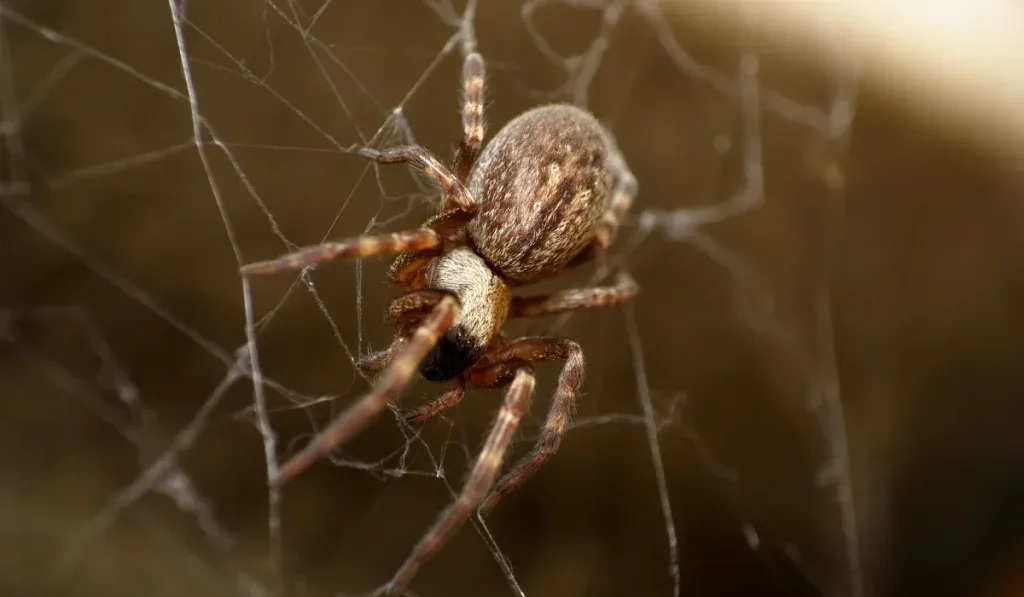
House spiders and cellar spiders are the most common indoor arachnids. Cellar spiders, with their long legs, build webs in basements, crawl spaces, and garages. Webs collect in corners, especially in quiet areas.
Wolf Spiders
Wolf spiders don’t build webs; they hunt. You’ll see them in garages, attics, and storage areas. They may look large, but they usually avoid people.
Orb-Weavers and Outdoor Spiders
Orb-weavers often build webs near outdoor lights where insects gather. As seasons change, their webs may appear around porches and entry points.
Black Widow and Brown Recluse Spiders
Although less common, black widows and brown recluse spiders can appear in the region. Black widows may hide in woodpiles, crevices, or cluttered garages. Brown recluses prefer attics and quiet storage areas. These species require careful attention due to the risk of spider bites.
Where Spiders Hide in Your Home
In the fall, spiders look for quiet, undisturbed areas. Basements, attics, crawl spaces, and garages are common hiding spots. You may also find them near entry points like cracks, door frames, or window gaps. Spiders often tuck egg sacs into corners or crevices, which lets new spiders hatch indoors.
Outdoor areas matter too. Woodpiles near the home and cluttered storage create easy harborage sites. Remove these conditions to cut the chances of a spider problem.
How to Prevent a Spider Problem This Fall
Start by sealing entry points. Check door frames, window screens, and utility openings for gaps. Spiders slip through tiny spaces, so seal even small cracks to block entry.
Limiting food sources helps, too. Since spiders follow insects, reducing other pests inside your home will lower spider activity. Regular pest control helps reduce both insects and the spiders that hunt them.
Outdoor lights attract insects, which then draw orb-weavers and other spiders. Use yellow “bug lights” instead of bright white bulbs to reduce activity near doors and windows.
Some homeowners try natural repellents, such as peppermint oil sprays. These may discourage spiders in small areas, but they’re not a long-term fix. For consistent results, a professional pest control plan is most effective.
Why Professional Spider Control Works Best
DIY steps can help, but they rarely solve the whole problem. Professional pest control targets root causes by addressing food sources, entry points, and hiding spots.
At Kodiak Pest Control, we go beyond basic treatments. We cover a wider outdoor area, treating woodpiles, fences, and ornamental borders to prevent spiders from entering. Our technicians also remove spider webs and check for egg sacs to break the cycle.
With 24 years of combined experience serving the Big Horn Basin and Billings, we know the local spider species and their hiding spots. Our year-round plan helps protect your home, so fall spider spikes don’t return.
Making the Right Spider Control Choice for Your Home
Spiders indoors can make your home feel less comfortable. From wolf spiders on the floor to webs in the garage, no one wants to share their space with spiders.
The good news is that you can prevent most issues with simple upkeep and a steady pest control plan. For tough cases, Kodiak Pest Control offers professional spider control for homes in Wyoming and Montana.
Contact us today to keep your home spider-free this season and beyond.
FAQs
Why do I see more spiders in my house during the fall?
Cooler weather pushes spiders indoors for warmth and food. During mating season, males roam to find females, so you’re more likely to notice them moving across floors and walls.
Are spiders in Wyoming and Montana dangerous?
Most spiders are harmless. However, black widows and brown recluses can pose risks. If you think you have either, contact a professional for safe identification and treatment.
How can I prevent spider webs in my garage and basement?
Clean storage areas often, seal cracks, and remove clutter. Pair these steps with a professional pest control plan to keep webs from returning.