
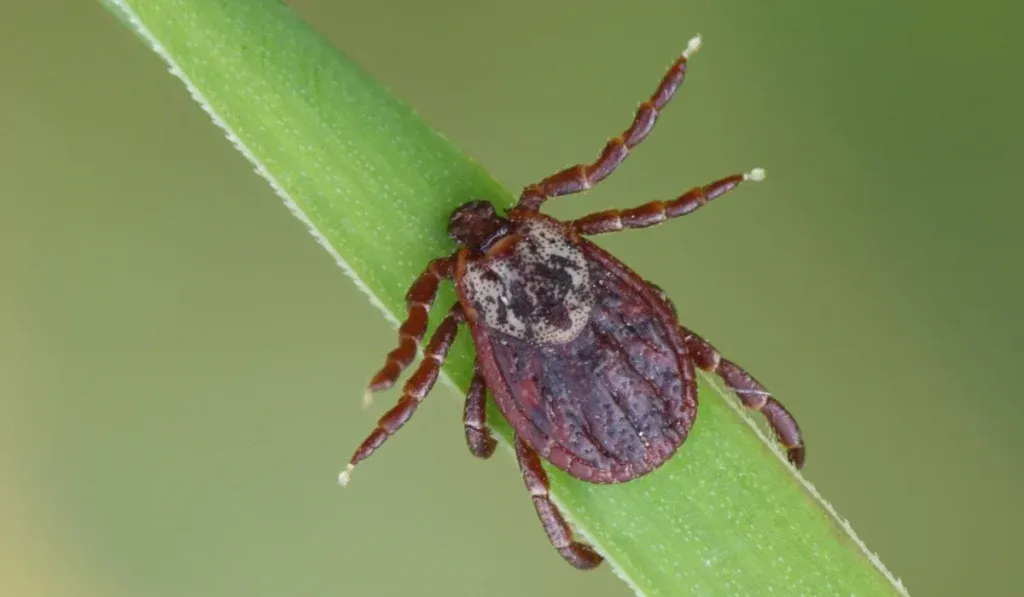
Even with cool nights and frosty mornings, ticks stay active in Montana in October. Many people think tick season ends when it cools, but mild fall days keep ticks alive and looking for a host.
If you hunt, hike, or enjoy outdoor activity near Billings or the Big Horn Basin, you can still bring home a few unwanted hitchhikers. Ticks are tough. They hide in leaf litter or tall grass and wait for temperatures to rise above freezing. With the unpredictable fall weather, they continue to feed on people, pets, and wildlife through October.
At Kodiak Pest Control, we track local tick activity that frustrates homeowners each fall. We treat the whole property, including shrubs, fences, and tall grass, to stop ticks before they reach your doorstep.
Key Takeaways
- Ticks in Montana remain active in October when temperatures rise above freezing.
- Species like the Rocky Mountain wood tick (Dermacentor andersoni) and American dog tick (Dermacentor variabilis) can survive light frosts.
- Tick bites can still transmit Lyme disease, Rocky Mountain spotted fever, Colorado tick fever, and tularemia in the fall.
- Using insect repellent with DEET or permethrin, wearing protective clothing, and doing thorough checks help prevent bites.
Why Ticks Stay Active in October
When ticks are active in Montana
General pattern for the northern Rockies. Local timing shifts with elevation, snowpack, and warm spells. Darker months mean heavier activity.
Mild fall weather keeps ticks going in October. When temperatures reach the mid-50s, Rocky Mountain wood ticks and American dog ticks emerge and begin searching for hosts. They wait in tall grass or brush for a passing deer, dog, or person to come by.
Even short, warm spells allow ticks to feed. Hunters and hikers in eastern Montana continue to encounter ticks in the fall, particularly in wooded areas and along fence lines. Montana State University Extension and DPHHS report that ticks often stay active through October, depending on local temperatures.
Common Species of Ticks Found in Montana
Montana is home to several types of ticks that thrive into the fall months:
- Rocky Mountain wood tick: The most common species in our region. It can transmit Rocky Mountain spotted fever (RMSF), Colorado tick fever, tularemia, and anaplasmosis.
- American dog tick: Found in grassy fields and rural yards, capable of spreading RMSF and tularemia.
- Blacklegged tick (Ixodes scapularis): Less common but found in parts of eastern Montana. It can carry Lyme disease and ehrlichiosis.
- Brown dog tick: More likely to infest indoor spaces, kennels, or barns. Known for biting dogs but rarely humans.
Each species of tick can transmit pathogens that cause tick-borne illnesses in both humans and pets.
Tick-Borne Diseases to Watch For
Even in the fall, tick bites can result in serious health issues. The CDC and DPHHS continue to warn residents about the risks of Lyme disease, Rocky Mountain spotted fever, Colorado tick fever, and tularemia. These are monitored closely as part of Montana’s public health system.
Early common symptoms may include fever, chills, muscle aches, rash, or fatigue. Rocky Mountain spotted fever and RMSF can cause severe rashes, while Lyme disease often begins with a circular “bull’s-eye” pattern near the bite site. If you experience symptoms after a tick bite, contact a health care provider immediately.
Ticks can also carry lesser-known pathogens that cause anaplasmosis or relapsing fever, so it is essential to monitor any post-bite changes.
Preventing Tick Bites During Fall Activities
Tick season slows in late fall, but you still need protection.
Use an EPA-registered repellent with DEET on skin. Treat clothing and gear with permethrin. These products repel or kill ticks on contact.
For long trips outside, especially during hunting, wear light-colored clothing and long sleeves, and tuck your pants into socks or boots. When you get home, check yourself, your pets, and your gear.
If a tick is attached, perform proper tick removal using fine-tipped tweezers. Grab it close to the skin and pull straight up. Do not twist. Wash the area with soap and water.
How Kodiak Pest Control Handles Tick Problems
If you’re finding ticks around your home or on your pets, it’s time to act before winter sets in. At Kodiak Pest Control, we target outdoor harborage areas, like shrubs, shaded fences, and tall grass, where ticks rest between hosts.
Our technicians use safe and effective products, along with strategic applications, that extend across your entire property, not just near the house. By treating twice the coverage area of most competitors, we create a layered barrier that keeps ticks and other pests away.
We serve families and ranches across Montana and the Big Horn Basin, delivering quick, professional service backed by our Quality Pro certification.
Staying Safe From Ticks in October
Fall in Montana doesn’t always mean the end of tick season. These pests can stay active well into October, especially around brush, fences, and pet areas. A quick check after time outdoors and keeping your yard tidy can make a big difference.
At Kodiak Pest Control, we offer local, professional residential pest control in Montana that targets areas other services often overlook, helping to protect your home throughout every season.
Contact us today to schedule your fall inspection and prevent ticks from returning.
FAQs
Are ticks active after the first frost?
Yes. Many ticks survive light frosts by sheltering in leaf litter or soil. They can re-emerge when daytime temperatures climb above freezing.
Can ticks survive snow and cold weather?
Ticks don’t thrive in deep snow, but they survive beneath it. Snow insulates them from harsh air temperatures, helping them overwinter until spring.
What’s the safest way to remove a tick?
Use fine-tipped tweezers to grasp the tick as close to your skin as possible and gently pull it upward. Avoid twisting, which can leave the mouthparts behind. Clean the site thoroughly with soap and water afterward.




