
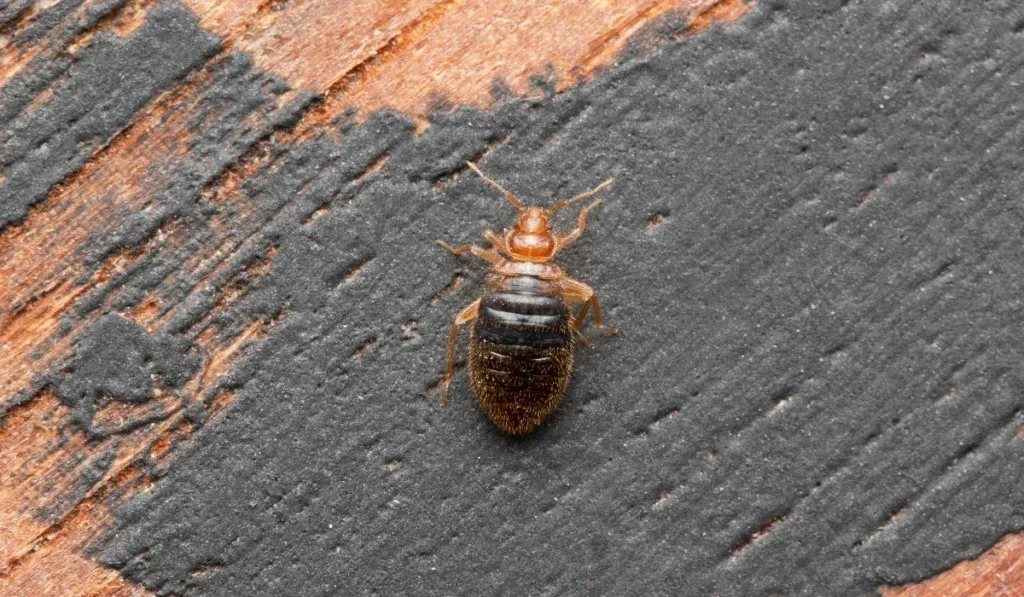
If you are dealing with bed bugs, you likely want fast relief. That is why many homeowners search for a scent that kills bed bugs instantly. When bites keep appearing, and sleep suffers, quick fixes sound tempting.
You may hear that strong scents repel or kill bed bugs on contact. Friends suggest oils, forums recommend sprays, and social media makes it sound easy. Bed bugs are difficult to control, and scent-based solutions rarely resolve the problem.
This guide explains what works, what does not, and which steps deliver real results in residential pest control. It reflects real-world experience from pest professionals in Wyoming and Montana, including the Big Horn Basin and the Billings area.
Key Takeaways
- No scent reliably kills bed bugs instantly, even strong ones.
- Some scents can temporarily repel bed bugs, but they do not eliminate an infestation.
- DIY options may help reduce activity, but often miss hidden bugs and eggs.
- Professional bed bug treatment remains the most reliable path to complete control.
Video: Why Bed Bugs Are So Hard To Eliminate
This short video explains why bed bugs are such stubborn pests. It breaks down their hiding behavior, rapid reproduction, and resistance factors. If you have tried sprays or home remedies with no success, this explanation helps connect the dots and shows why comprehensive bed bug control requires more than surface-level solutions.
Do Any Smells Kill Bed Bugs Instantly?
When people ask what smell kills bed bugs instantly, they hope for a quick solution. In real homes, no smell works that way. Bed bugs survive well. Some substances kill on contact, but scent alone does not reach enough bugs.
Bed bugs hide in mattress seams, box springs, bed frames, headboards, baseboards, and small cracks. Even if a scent affects one bug, many others stay hidden. That is why smell-based solutions rarely solve bed bug problems.
Scents Bed Bugs Hate And Why They Only Go So Far
You will often see claims about scents that keep bed bugs away. These scents can irritate or disrupt bed bugs, but they do not eliminate a bed bug infestation.
Peppermint oil gets attention because bed bugs dislike strong menthol smells. Tea tree oil, eucalyptus, lavender, citronella, lemongrass, and oregano show similar effects. These scents irritate bed bugs and deter them in open areas.
The problem is the reach. Bed bugs move deeper into hiding spots. Nymphs, eggs, and bugs inside seams and box springs stay protected. A scent may repel bed bugs briefly, but it does not remove them.
Essential Oil Myths Versus Reality
Many DIY guides suggest mixing essential oils with water in a spray bottle to treat sleeping areas. High concentrations of essential oil may kill bed bugs on contact, but sprays rarely reach more than a few bugs.
Tea tree oil, peppermint oil, and lavender oil all have limits. Oils break down quickly, lose strength, and cannot penetrate furniture or walls. Overuse creates strong indoor odors without fixing the bed bug problem.
Oils may reduce visible activity for a short time. They do not work as bed bug killers. Natural remedies often create a false sense of progress while the infestation grows.
Rubbing Alcohol And Why Pros Avoid It
Rubbing alcohol appears on many home remedy lists because it can kill bed bugs on contact. It damages the outer shell and affects the bug’s body. It only works when it hits a bug directly.
There is another problem. Spraying alcohol on mattresses, bed frames, or baseboards creates a serious fire risk. Professionals see more harm than benefit from this method. It does not reach eggs, hidden bugs, or unseen infested areas.
Diatomaceous Earth And Dehydration
Diatomaceous earth works differently from scent-based methods. It damages the outer shell, causing bed bugs to dry out over time. When applied correctly, it can help lower bed bug numbers.
Diatomaceous earth requires careful placement. It must reach hiding spots, stay dry, and remain undisturbed. Even then, results take time, and it rarely eliminates a full infestation on its own. It works best as part of a larger bed bug treatment plan.
What DIY Efforts Usually Miss
DIY methods often focus on visible bugs. The real issue lives in hiding places. Bed bugs settle into mattress seams, bed frames, box spring interiors, headboards, electrical outlets, and tiny crevices along baseboards.
Vacuuming helps remove insects and debris, especially when combined with hot-water laundering. Washing bedding in hot water and drying on high heat kills bed bugs and eggs on fabrics. Encasements trap bugs inside mattresses and box springs, cutting off access to food.
These steps help get rid of bed bugs, but they rarely do the job alone. Eggs hatch, nymphs mature, and activity returns.
Signs You Are Dealing With More Than A Minor Issue
Knowing the signs of bed bugs matters early. Bed bug bites often appear in lines or clusters. You may notice dark spotting on sheets, shed exoskeleton pieces, or live bugs near mattress seams.
Signs of a bed bug infestation also include musty odors, increased nighttime activity, and recurring bites even after cleaning. Once you reach this stage, home remedies typically cannot keep up.
When Professional Help Becomes Necessary
At some point, professional pest control makes sense. A professional exterminator understands bed bug behavior, hiding spots, and treatment timing. Pest control services focus on full coverage, not just surface bugs.
Professional tools target bed bugs at every life stage. Heat treatment, targeted sprays, and follow-up visits address the full infestation. Exterminators also help prevent return through education and monitoring.
Why Heat Treatment Stands Out
Heat treatment remains one of the most effective ways to eliminate bed bugs in a home. High heat reaches furniture, walls, and hidden areas that sprays miss. Eggs, young bugs, and adults die when done correctly.
Heat treatment does not rely on scent, deterrents, or repeated DIY attempts. It works because bed bugs cannot survive sustained heat.
Bed Bug Control In Wyoming And Montana Homes
Homes in the Big Horn Basin and Billings face unique risks. Travel, guests, and secondhand furniture often bring in bed bugs. Once established, bed bugs spread quickly between rooms.
A local pest control company understands regional housing styles and common hiding spots. That experience helps shorten treatment time and improve results.
Making The Right Next Step For Your Home
If bed bugs keep coming back, it is a sign that quick fixes are not enough. These pests spread easily, hide well, and rebound when treatment stops too soon. Lasting results come from a plan that addresses the whole space, not just what you can see.
At Kodiak Pest Control, we work with homeowners across Wyoming and Montana to fully eliminate bed bug problems and reduce the risk of recurrence.
Contact us today to discuss your situation and determine which steps make sense for your home.
FAQs
Can any insect repellent work as a bed bug repellent?
Most insect repellents are ineffective against bed bugs. Bed bugs respond differently from mosquitoes or flies. While some repellents may irritate them briefly, they do not provide reliable bed bug control.
Do bed bug sprays from stores actually work?
A bed bug spray may kill bed bugs it contacts directly, but most sprays do not reach hidden bugs or eggs. Store-bought products often reduce activity without ending the infestation.
Can vacuuming alone solve a bed bug infestation?
Vacuuming helps remove visible bugs and debris, especially from mattress seams and baseboards. However, vacuuming alone cannot reach deep hiding spots or prevent eggs from hatching.




