
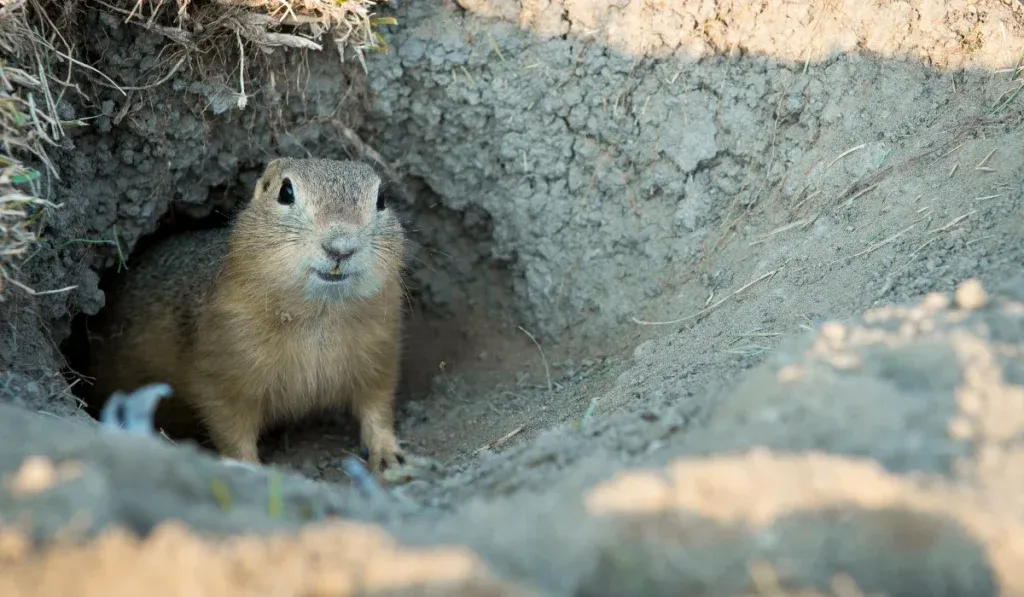
Rodents live all across Montana. When they move into your home, the problem is hard to ignore.
Billings sits near grasslands by the Yellowstone River and sagebrush plains. These areas create ideal rodent habitat. When you can name the species, you can protect your home before they get inside.
Whether you have mice in the attic or pocket gophers in the yard, identifying the animal is the first step. Knowing their habits, habitat, and seasons helps you choose the correct fix.
With 24 years of combined experience, Kodiak Pest Control provides trusted pest control in Billings, MT, helping homeowners find and stop rodent activity early.
Key Takeaways
- Billings is home to a variety of rodents, including mice, voles, ground squirrels, and prairie dogs.
- Recognizing burrows, chew marks, and nesting sites early can prevent major infestations.
- Rodents are part of Montana’s natural ecosystems, but can cause severe damage around homes.
- Professional exclusion services provide long-term pest prevention, keeping pests outdoors year-round.
Common Rodent Species in the Billings Area
Billings’ most wanted rodents
Some tunnel through yards, others slip into homes. Here are the usual suspects, ranked by how much trouble they bring.
House & Deer Mice
The wall crawlers
Rats
The barn raiders
Voles & Pocket Gophers
The yard wreckers
Ground Squirrels & Chipmunks
The daytime diggers
Prairie Dogs & Muskrats
The land & water crew
Shrews & Pocket Mice
The cold-snap squatters
This part of Montana supports several native species in the order Rodentia, from burrow-building mammals to tree-dwelling gnawers. Here’s a closer look at which ones are most common.
Mice and Rats
House mice and deer mice are the most likely small mammals to enter homes and garages. They squeeze through openings smaller than a dime and prefer to nest in insulation or cluttered storage spaces. In winter, they migrate indoors to stay warm, often nesting in attics or wall voids.
If you notice scratching behind the drywall or an unpleasant odor, it may be time to learn how to tell if that smell is a dead mouse in the wall. Both deer mice and house mice have light gray or dark brown fur and leave behind droppings the size of rice grains.
Rats are less common in Billings. They show up in barns or warehouses near feed. They climb well and can damage wiring and insulation.
Voles and Pocket Gophers
You’ll often find voles and pocket gophers in lawns, fields, and gardens throughout the Great Plains. Voles are small, plump rodents that create shallow tunnels under the grass, leaving visible trails across lawns. Pocket gophers, on the other hand, build deep burrows with mounds of soil near the entrances.
Both species stay active year-round, feeding on roots, bulbs, and grasses. They rarely enter homes but can cause extensive yard damage. Their tunneling disrupts soil and irrigation, while their chewing habits destroy roots and ornamental plants.
Ground Squirrels and Chipmunks
Ground squirrels and chipmunks are common in and around Billings.
They live in underground tunnels and feed during the day on seeds, nuts, and insects. In late fall, they hibernate, though mild weather can wake them.
They look harmless, but burrows can weaken soil under patios and foundations. Their stripes and quick, darting moves make them easy to spot.
Prairie Dogs and Muskrats
The prairie dog is one of Montana’s most recognizable rodents. These social animals live in colonies across open grasslands and serve as an essential food source for predators such as coyotes, weasels, and bobcats. While they’re valuable to the region’s ecosystems, their extensive tunnels can damage pastures and create tripping hazards for mule deer or livestock.
Muskrats, another native species, are semi-aquatic rodents found along creeks, irrigation canals, and wetlands. They build dome-shaped lodges from vegetation and can undermine pond banks with their burrowing.
Both animals are crucial to North American waterways, but can become nuisances when they alter drainage or flood control structures.
Shrews, Pocket Mice, and Other Small Mammals
Billings also has shrews, pocket mice, and jumping mice.
Shrews eat insects and may enter basements in cold months. Pocket mice and jumping mice prefer dry sagebrush or rocky areas, but sometimes move into sheds or garages for shelter.
They slow down in winter and reproduce fast in spring.
You may also see porcupines, skunks, or raccoons. These are not rodents, but they can cause similar problems.
How to Identify Rodent Activity Around Your Property
Rodents rarely make themselves visible, but the evidence they leave behind tells the story. Homeowners often notice small tunnels, gnawed wood, or droppings before spotting the animal. Common warning signs include:
- Holes or mouse holes in your yard
- Mounds of loose soil from gophers or ground squirrels
- Chew marks on baseboards or food packaging.
- Rustling or squeaking noises in attics
- Trails or runways through grass or snow
When these clues appear, it’s time to act before a small problem grows.
Rodent Prevention and Exclusion Tips
Prevention starts with exclusion. Block entry points and make your home less inviting. Seal your home in the fall to keep rodents out as temperatures drop.
Seal foundation cracks, replace worn weatherstripping, and cover vents with wire mesh. Trim shrubs from siding and stack firewood off the ground. Reduce clutter to remove hiding spots.
Check your property after storms. Rodents use disturbed soil or damaged siding to start new burrows or nests.
If you suspect activity indoors, schedule an inspection and a professional plan. Residential pest control in Montana treats the infestation and establishes barriers to prevent new entry.
Why Rodents Matter to Montana’s Ecosystem
Rodents might cause headaches for homeowners, but they’re essential to the balance of nature in Montana and across North America.
Their digging helps aerate soil, and their feeding spreads seeds that support grasslands and amphibians alike. As prey, they are preyed upon by larger predators such as wolverines, grizzly bears, and river otters.
Without these animals, local ecosystems would change. But they do not belong inside homes or tearing up yards. Good pest control protects property while respecting wildlife.
When to Call a Professional
If you’ve tried prevention and still notice droppings, noises, or new tunnels, it’s time to call a local expert. At Kodiak Pest Control, we provide thorough inspections that identify which rodents are present and where they’re entering. Our technicians use proven products and techniques to remove infestations safely.
When comparing how much pest control costs in Billings, MT, remember that quality service includes long-term protection, not just a one-time visit.
For those asking how much mice removal costs in Billings, MT, pricing depends on home size, infestation severity, and treatment complexity. The investment is worth it when it prevents ongoing structural damage.
Our technicians specialize in layered defense, treating not just the house but the surrounding yard to stop pests where they live. That’s how we’ve earned our reputation as the most trusted provider of pest control services in Billings, MT.
Keeping Your Home Rodent-Free Year-Round
Rodents remain active year-round in Montana, finding warmth wherever they can. Regular inspection, cleanup, and exclusion keep your home secure and reduce risks of infestation. Whether you live on a rural farm or in the city limits of Billings, a proactive approach works best.
The local experience of our team at Kodiak Pest Control means we understand the habits of the area’s most persistent pests, from pocket gophers to ground squirrels. Our preventive services ensure rodents stay outside, where they belong.
Making the Right Rodent Control Choice for Your Billings Home
Rodents are part of Montana’s landscape, but they don’t belong in your home. Lasting protection means fixing entry points, maintaining your yard, and acting fast at the first sign of activity.
At Kodiak Pest Control, we provide reliable solutions tailored to Billings homes, using safe, proven methods to stop rodents and keep them out.
Contact us today to schedule your inspection and take back your home from unwanted pests.
FAQs
What are the most common rodents in Billings, MT?
Deer mice, voles, pocket gophers, and ground squirrels are the most common rodents in and around Billings. Prairie dogs and muskrats are common in open grasslands and wetlands.
How do I know which type of rodent I’m dealing with?
Check for signs like burrows, gnawed materials, and droppings. Voles leave shallow tunnels, pocket gophers build large mounds, and mice typically nest in attics or walls.
What’s the best way to prevent rodents?
Seal entry points, remove outdoor clutter, and maintain short grass around the foundation. If activity continues, contact Kodiak Pest Control for professional exclusion and monitoring.




