

Spiders are common in Montana, especially around Billings. They live in yards, basements, and barns and help control insects. But when they come inside, many people feel uneasy.
Knowing the kinds of spiders in Billings helps you tell which are harmless and which need attention. If you notice more activity than usual, professional pest control in Billings, MT, can help identify the species and remove them safely.
In Billings and the Big Horn Basin, common spiders include wolf spiders, crab spiders, and black widows. Most are not aggressive, but they can multiply fast when food and shelter are available.
This guide shows how to identify Montana spiders, spot venomous ones, and use simple steps to keep them outside.
Key Takeaways
Billings’ most wanted spiders
Six suspects turn up around Billings homes. Most are harmless. Here is how to ID each one, and which is the only one truly armed.
Black Widow
Latrodectus hesperus
Hobo Spider
Funnel-web spider (Agelenidae)
Wolf Spider
Lycosidae
Crab Spider
Thomisidae
Garden Spider
Orb-weaver (Araneidae)
Jumping Spider
Salticidae
- Wolf spiders, crab spiders, and garden spiders are some of the most common spiders found in Montana.
- Only a few, like the black widow, are venomous spiders in Montana that require medical attention if bitten.
- Keeping clutter down, sealing cracks, and cleaning regularly are the best preventive measures to keep spiders out of your house.
- For large infestations or recurring spider issues, Billings, MT pest control services can provide safe, long-term solutions.
Wolf Spiders and Their Fast-Moving Habits
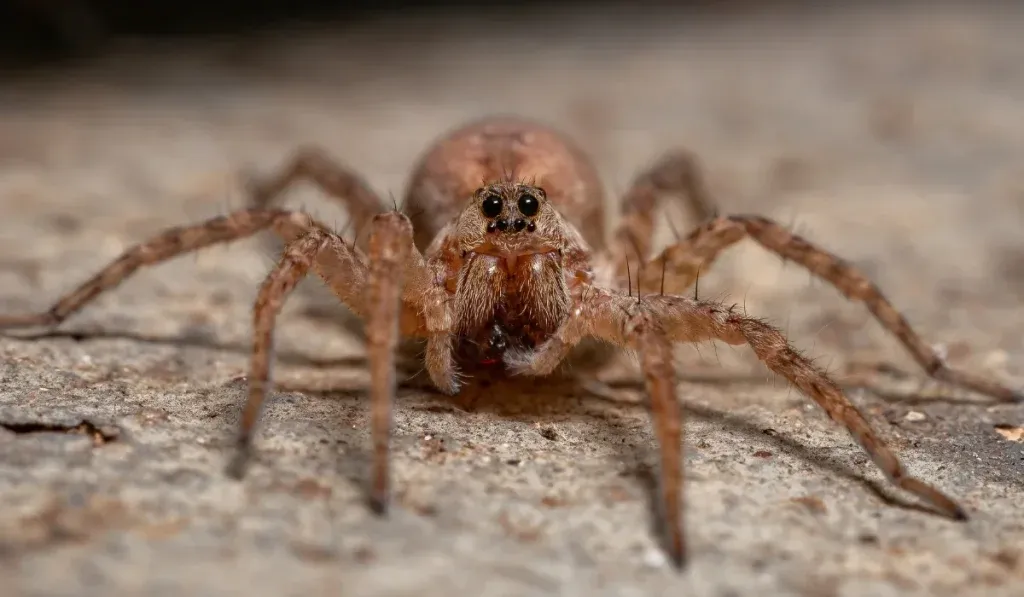
One of the most common spiders found in Montana is the wolf spider. They belong to the Lycosidae family and do not use webs to catch prey. They use speed and sharp eyesight to chase insects. You may see them in basements or garages hunting crickets and other bugs.
They look scary, but they are not dangerous. Bites may cause mild redness or swelling, and medical care is rarely needed. Homeowners seeking effective strategies to get rid of wolf spiders in Montana should start by reducing clutter and sealing small openings where insects might enter.
Crab Spiders and Their Clever Camouflage

Crab spiders, part of the family Thomisidae, get their name from the way they move sideways, much like a crab. They use camouflage rather than webs, often hiding among flowers or shrubs to catch pollinators such as bees and flies. Some crab spiders change color to match their surroundings, making them difficult to spot.
Though crab spiders live primarily outdoors, they sometimes enter homes during late summer when temperatures drop. The real reason spiders show up in late summer is that they begin searching for warm, sheltered areas to overwinter. Regular cleaning around window sills, door frames, and corners helps reduce the chance of them sneaking inside.
Hobo Spiders and the Confused Identity

Hobo spiders, common across North America, are often mistaken for brown recluse spiders. Brown recluses do not naturally live in Montana. The hobo spider, in the family Agelenidae, builds sheet webs with a funnel-shaped retreat, so it is sometimes called a funnel-web spider.
They prefer dark corners, crawl spaces, and basements. People once believed they were aggressive, but research shows they are less dangerous than many thought. Keep boxes off the floor and place sticky traps in hidden areas to limit their numbers indoors.
Black Widows: Recognizing a True Venomous Threat
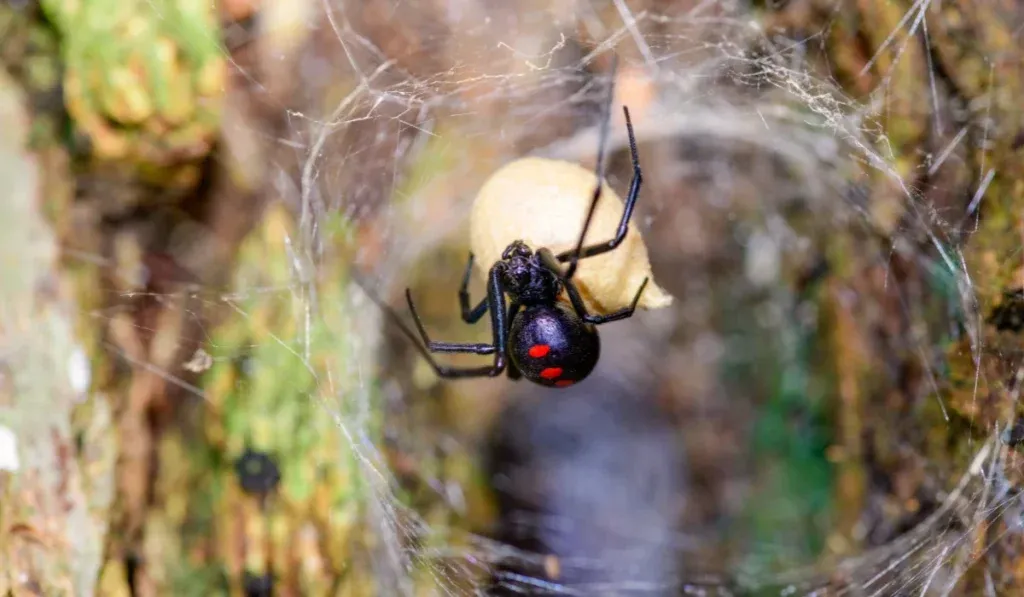
The black widow spider, known scientifically as Latrodectus hesperus, is one of the few venomous spiders in Montana. Female black widows have shiny black bodies with a distinct red hourglass marking on their abdomen. They often spin irregular cobwebs in quiet areas such as garages, sheds, or woodpiles.
Bites from a western black widow are rare, but they can cause muscle pain, nausea, and cramping. Anyone bitten should seek medical attention immediately. While the black widow’s bite can be severe, they tend to avoid people unless provoked. Keeping storage areas clean and reducing clutter are among the best ways to prevent encounters with spiders.
Garden Spiders and the Web Artists of Summer

In late summer, you may see large, detailed webs stretched between plants. These are orb-weaver spiders in the family Araneidae, known for their round, intricate webs. Common species include the cat-faced spider (Araneus gemmoides) and the banded garden spider (Argiope trifasciata).
These harmless spiders build circular webs that catch flying insects. Some are pretty large and may have bold yellow or white markings, making them among the largest spiders commonly seen in Montana gardens.
Garden spiders stay outdoors and rarely bite, so they help your yard. Remove debris and trim plants to discourage webs near your home.
Jumping Spiders: Curious Little Hunters
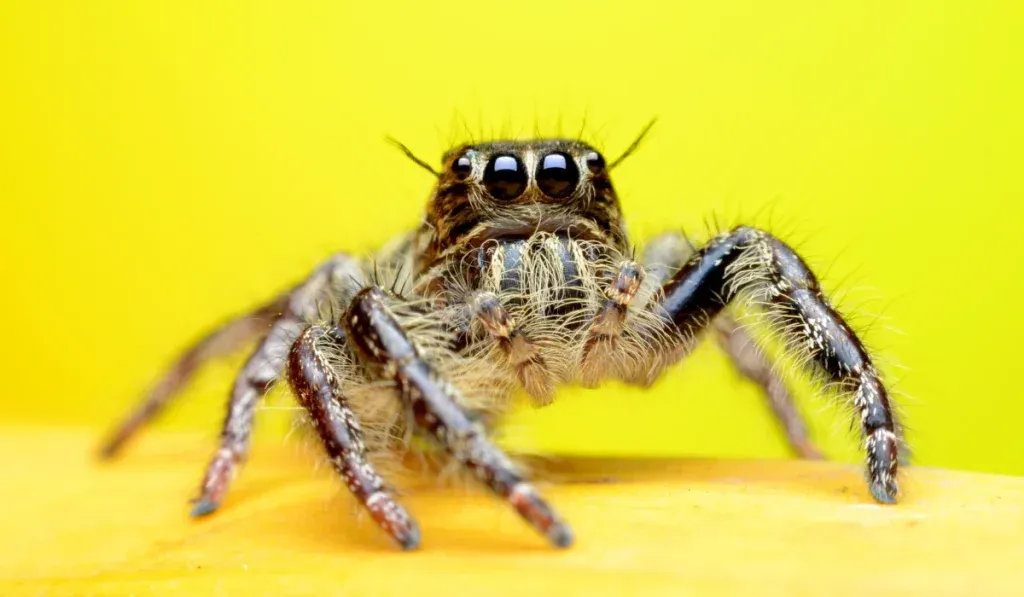
Jumping spiders, part of the family Salticidae, are small and bold hunters with sharp vision. Their compact bodies and quick moves make them easy to spot. They have excellent vision and can leap several times their body length to catch prey.
You may see them on sunny windowsills or garden walls. Their quick jumps can startle you, but they are harmless and help with pest control. Seal small crevices and keep areas tidy to keep them outdoors without harming them.
Other Spiders Seen Around Billings
Montana’s climate supports several other spider families. House spiders (Pholcidae) are common indoor species with long legs and delicate bodies. They spin irregular webs in corners or basements, where they quietly trap gnats and flies. Fishing spiders, often found near ponds or irrigation ditches, are strong swimmers.
Less common but still present are grass spiders, Steatoda species (false widows), and the occasional xysticus crab spider. Most of these arachnids pose little to no danger, though they can multiply quickly when food sources are plentiful. Maintaining dry conditions and repairing window screens helps prevent new colonies from forming inside.
Identifying Spider Bites and When to Seek Help
Most spider bites cause only mild irritation. However, black widow bites may need prompt care. Swelling, dizziness, or nausea can be a sign to seek medical attention. In most cases, wash the area and apply ice to reduce swelling.
Do not guess the species. Spider identification can be tricky. When in doubt, contact a local pest expert. They can identify the species and remove egg sacs and spiderlings, which can quickly repopulate an area.
Practical Spider Prevention Around the Home
Preventing infestations starts with addressing what attracts spiders in the first place. Reducing outdoor lighting that attracts bugs at night and sealing gaps around doors helps limit their access.
For lasting control, residential pest control programs focus on outdoor barriers. At Kodiak Pest Control, our technicians inspect foundation lines, eaves, and entry points before applying treatments. They also provide ongoing maintenance and helpful advice on spider control for homeowners who prefer long-term protection.
If you’ve tried cleaning and sealing but still see spider activity, pest control services can apply safe, targeted treatments that remove existing webs and prevent future infestations. Professional support helps control both harmless and venomous spiders effectively.
Making the Right Choice for Spider Protection in Montana
Spiders are part of Montana’s ecosystem, but they do not belong inside your home. Whether a wolf spider on the floor or a black widow in the shed, knowing common species helps you respond appropriately.
With regular maintenance and professional help from our team at Kodiak Pest Control, you can keep spiders outside, where they help nature.
If infestations keep coming back, contact us today for a plan made for Montana homes. Strong spider prevention starts with proactive care and local expertise.
FAQs
What are the most common spiders found in Montana?
Wolf spiders, crab spiders, garden spiders, and black widows are among the most common species found across Billings and the surrounding Big Horn Basin.
Are house spiders dangerous?
No, house spiders are not dangerous. They rarely bite and help control small insects indoors. Most are harmless and more helpful than harmful.
How can I keep spiders out of my house?
Seal cracks around doors and windows, vacuum regularly, and remove webs promptly. For recurring issues, contact Kodiak Pest Control for residential pest control treatments that create long-lasting protection.




