
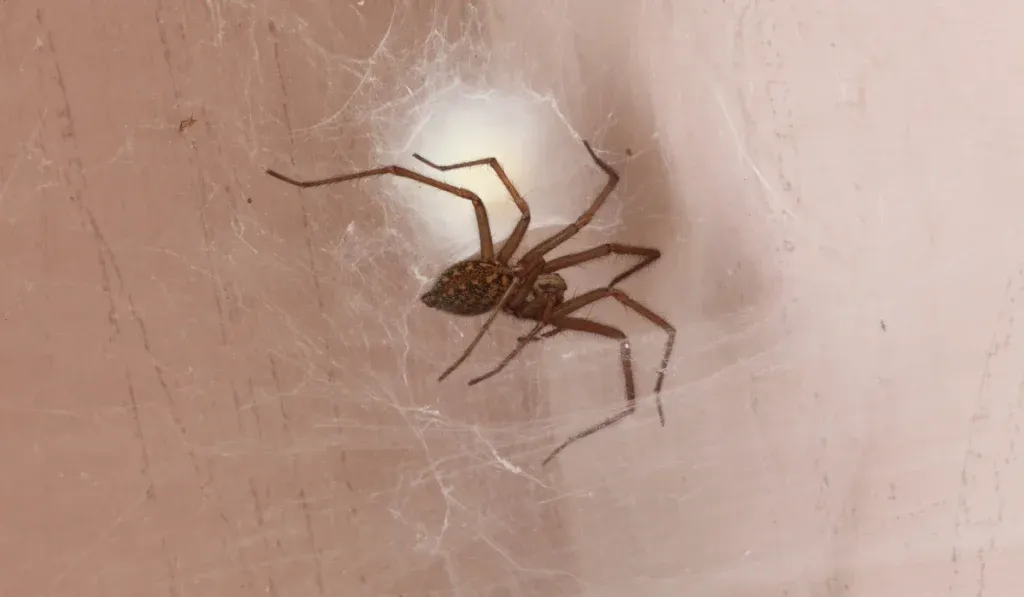
Spiders are common in Laurel, MT, especially when the seasons change, and insects move closer to homes. These arachnids are part of many different kinds of spiders found across Montana. If you see webs near windows, quick spiders on the floor, or spiders in the basement, you are likely seeing common species found in southern Montana.
Many Montana spiders wander indoors while hunting insects. Other spiders come inside for warmth, moisture, or a safe place to hide. Spider sightings often increase in late summer as fall approaches.
This guide covers common spiders, how to spot them, where they hide, and when it makes sense to hire professional pest control services in Laurel, MT.
Key Takeaways
- Most spiders found in Laurel, MT, are harmless.
- Wolf spiders, crab spiders, and jumping spiders are the most common.
- Venomous spiders are present in the region, but they are uncommon in Montana homes.
- If you see spiders indoors, it often means spiders and insects are active outside near your home.
Video: EVERY Spider in Your House – and what they’re doing there
This video explains why spiders enter homes, how they hunt, and which kinds are more likely to live indoors. The examples help you compare house spiders to hunters that run on the ground and spiders that build webs.
What Types of Spiders Are Most Common in Laurel, MT?
The types of spiders in Laurel, MT, align with Montana’s weather and outdoor conditions. Cold winters, dry summers, and wide-open land change where spiders live all year.
Below are the spiders homeowners see most often.
Wolf Spiders in Laurel, MT
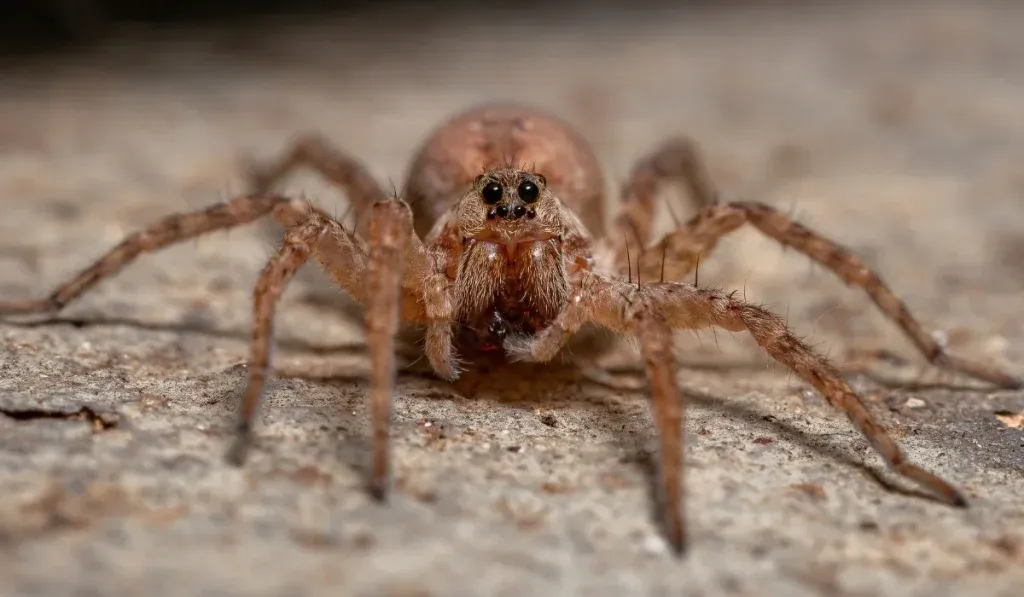
Wolf spiders belong to the family Lycosidae, a spider family that includes some of the largest spiders people see indoors. They do not build webs to catch food. They run and hunt, and females may carry egg sacs on their bodies until spiderlings hatch.
You may spot a wolf spider on floors, in garages, or in basements, often at night. Wolf spiders have strong legs, thick bodies, and dark markings. They look scary because they are big and fast, but wolf spider bites are rare and usually mild.
Jumping Spiders in Laurel, MT

Jumping spiders belong to the family Salticidae. In Montana, you may see jumping spiders from the Phidippus group.
They are small, with compact bodies and sturdy front legs. Jumping spiders use their eyes to hunt instead of webs. People often find them on windowsills, near siding, and around houseplants. They hop fast and usually turn to look at you, so they are easier to spot than many other spiders.
Crab Spiders Around Laurel Homes
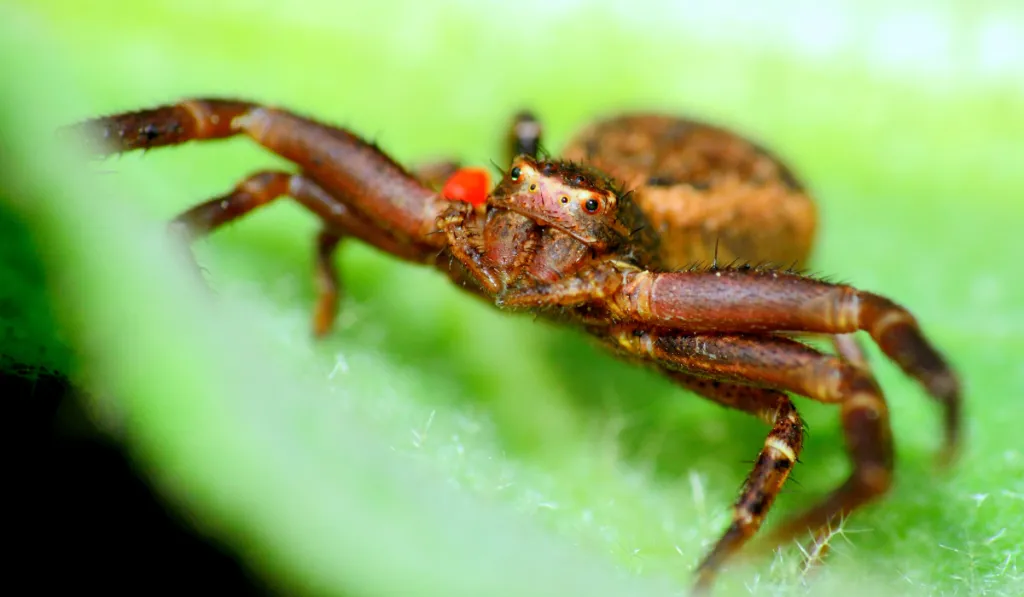
Crab spiders belong to the family Thomisidae and include Xysticus species. They hold their legs out to the side, so they look like tiny crabs. Crab spiders live on flowers and shrubs, but they can wander inside. Their flat bodies and wide stance make them easy to recognize. Crab spiders rarely bite. They wait and grab insects instead of building webs.
Orb Weaver Spiders in Yards and Eaves
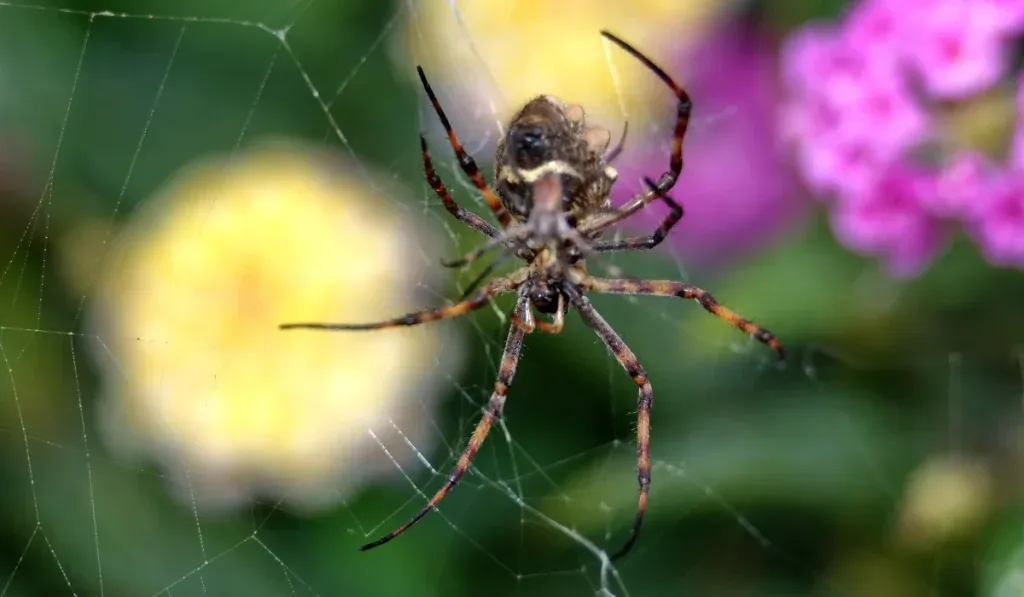
Orb weaver spiders belong to the family Araneidae and build large circular webs outdoors. Common species include Araneus gemmoides, also called the cat-faced spider, and the marbled orb weaver. Argiope trifasciata, known as the banded garden spider, also appears in Laurel, MT, during late summer.
Orb-weaver spiders use webs to catch insects and typically remain outdoors. Their size and web placement near homes often cause concern despite their harmless nature.
House Spiders and Funnel Web Spiders
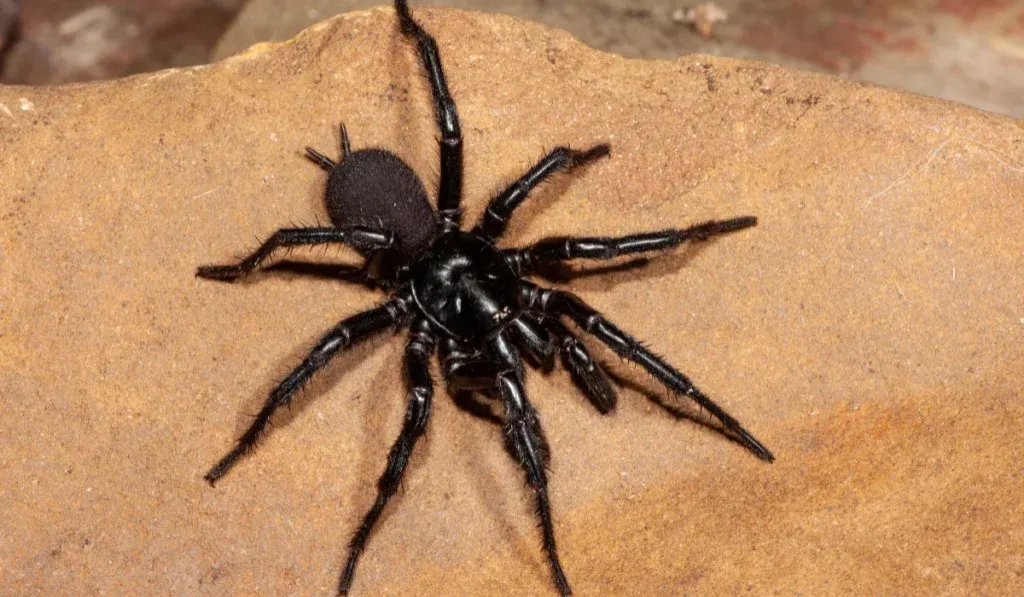
Many house and funnel weavers belong to the family Agelenidae, including Tegenaria, Agelenopsis, grass spiders, and other funnel-web spider species. They build flat webs with a funnel hideout in basements, window wells, and garages.
The hobo spider is part of this group and is sometimes called the aggressive house spider. You may also see it listed as Eratigena agrestis. People worry about hobo spiders, but confirmed bites are uncommon. These spiders hide in dark, quiet places and may wander indoors by mistake.
What Do the Different Types of Spiders in Laurel, MT Look Like?
Spider identification is easier when you focus on body shape, movement, and web style rather than size alone, especially when comparing Montana spiders found indoors and outdoors.
Wolf Spider Appearance
A wolf spider shows a thick body, long legs, and dark striping that helps it blend into floors and ground surfaces. These spiders often appear brown or gray and move quickly across floors without using webs.
Jumping Spider Appearance
Jumping spiders look compact with short legs and large front eyes. Their quick movements and tendency to turn toward you help distinguish them from other Montana spiders.
Crab Spider Appearance
Crab spiders appear flat with legs spread wide to the side. Many show pale or earth-tone coloring that blends into plants or siding.
Orb Weaver Appearance
Orb weaver spiders appear larger with rounded abdomens and patterned bodies. Their presence is often noticeable through large webs rather than direct sightings.
Where Do Different Types of Spiders Hide in Laurel, MT Homes and Yards?
Spiders hide where bugs gather and where people do not disturb them.
Indoor Spider Hiding Spots
Basements, crawl spaces, storage rooms, and garages attract spiders seeking shelter. House spiders often build webs in corners, while wolf spiders patrol floors. Windowsills also attract jumping spiders following insect activity.
Outdoor Spider Hiding Spots
Yards provide ideal conditions for spiders that use webs or ambush prey. Shrubs, tall grass, wood piles, fences, and gaps in siding support spider activity. The reason spiders appear in late summer is due to cooler nights and increased insect movement toward structures.
This activity often leads to spiders in the house this fall, especially when exterior gaps remain unsealed.
Which Types of Spiders in Laurel, MT Are Venomous?
Laurel’s most wanted spiders
Most spiders crossing your floor in Laurel are just passing through. A few earn a second look. Here is who you are likely to meet.
Western Black Widow
Latrodectus hesperus
Hobo Spider
Eratigena agrestis
Brown Recluse
The phantom suspect
Wolf Spider
Lycosidae
Jumping Spider
Salticidae
Crab Spider
Thomisidae
Orb Weaver
Araneidae
House & Funnel Weaver
Agelenidae
Venomous spiders live in North America, but people in Laurel, MT, rarely run into them.
The western black widow (Latrodectus hesperus) is a black widow spider that may show up in sheds or wood piles. It may have a red hourglass mark on the underside of its abdomen. Black widow bites need medical care, but they do not happen often.
Brown recluse spiders do not live in stable groups in Montana. Most reports are misidentifications. Many bites attributed to brown recluses are due to other causes.
Making the Right Spider Control Choice for Laurel, MT Homes
Spiders help control insects, but frequent indoor sightings can frustrate homeowners. Understanding the types of spiders that Laurel, MT, residents commonly encounter enables better decisions and fewer surprises.
When spiders appear season after season, professional service provides long-term results. At Kodiak Pest Control, we help Laurel, MT, homeowners reduce spider activity by targeting where spiders live, not just where you see them.
Contact us today and say goodbye to these pesky spiders in your house.
FAQs
What is the most common type of spider in Laurel, MT?
Wolf spiders are the most common spiders in Laurel, MT. They thrive in Montana’s dry summers and cooler nights and hunt insects on the ground instead of using webs. As bugs move closer to homes in late summer and fall, wolf spiders often wander into garages, basements, and living spaces by accident.
How can I identify different types of spiders quickly?
You can identify spiders by watching how they move and where you find them. Jumping spiders hop and turn toward movement, wolf spiders run across floors without webs, and orb weavers build large, round webs outdoors. If you are unsure or see many spiders, a pest professional can confirm the type.
Do certain types of spiders only appear in certain seasons?
Yes, spider activity changes with the seasons in Laurel, MT. Outdoor spiders are most active in late summer when insects are plentiful. As fall approaches and nights cool, spiders often move closer to buildings for shelter, resulting in more indoor sightings during late summer and early fall.




