
If you have ever walked into your garage in Missoula or flipped on a basement light in Billings and seen a spider skitter across the floor, you have probably wondered about venomous spiders in Montana. It is a common concern, especially when stories about black widows and other dangerous spiders circulate online.
Here is the good news. While there are venomous spiders in Montana, the list is short, and most species of spiders you see around your home are harmless. In fact, many of them help control other pests.
So let’s clear up what is actually a risk in Montana, what is not, and when it makes sense to bring in professional pest control.
Key Takeaways
- The western black widow is the primary venomous spider in Montana that poses a medical risk.
- Most Montana spiders, including wolf spiders and orb weavers, are not dangerous to people.
- The brown recluse spider is not established in Montana.
- Proper spider identification helps you avoid unnecessary worry and focus on real risks.
Video: Spider Identification – Tarantulas and Wolf Spiders
This video walks you through the basics of spider identification, focusing on tarantulas and wolf spiders. You will see how body shape, long legs, and movement patterns help distinguish large but harmless arachnids from species that deserve closer attention.
What Venomous Spiders in Montana You Actually Need to Worry About
When people ask about venomous spiders in Montana, they usually mean one thing: black widow spiders.
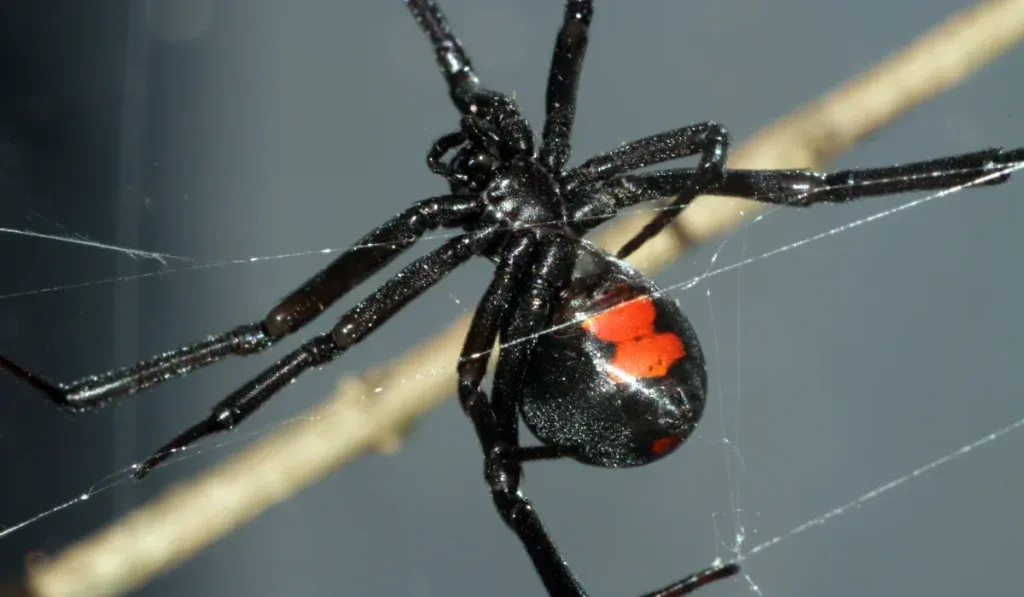
The western black widow, part of the Latrodectus genus in the Theridiidae family, is the main spider of concern here. You can recognize female black widow spiders by their shiny black body and red hourglass markings on the underside of the abdomen. That red hourglass marking is the clearest sign you are dealing with a true black widow.
In Montana, black widow populations are more common in western Montana, including areas around Missoula and, occasionally, in Bozeman. They prefer undisturbed areas such as woodpiles, sheds, crawl spaces, and sometimes basements. Although they are among the most dangerous spiders in North America, bites are still rare because these spiders avoid people whenever possible.
If someone is bitten, symptoms may include muscle cramping and localized pain. In more serious cases, medical attention may be required, especially for children, older adults, or anyone with underlying health issues. Still, fatalities are extremely rare.
Are There Other Dangerous Spiders in Montana?
Beyond the black widow, the list of dangerous spiders in Montana is short.
The brown recluse spider often gets blamed for mysterious spider bites. However, according to resources like Montana State University and MSU Extension, the brown recluse spider is not established in Montana. While an occasional hitchhiker could arrive in moving boxes from Idaho or other parts of North America, established populations do not exist here.
That is important because many skin issues get misdiagnosed as recluse bites, especially when necrotic lesions appear. In reality, infections and other medical conditions often cause those symptoms.
Some residents also worry about the hobo spider, also known as the aggressive house spider. The hobo spider does live in parts of Montana and Idaho, particularly in western Montana. It builds a funnel web close to the ground. Years ago, people believed it caused severe reactions, but more recent research has shown that confirmed serious reactions are uncommon. Even so, proper spider identification helps avoid confusion between a hobo spider and other harmless house spiders.
The Spiders You See Most Often in Montana Homes
Montana’s venomous spiders, on file
Montana’s lineup is short on real threats and long on harmless lookalikes. Here is the one medical risk, the wrongly accused, and the hunters that actually help.
Western Black Widow
Latrodectus
Hobo Spider
Agelenidae
Brown Recluse
The wrongly accused
Wolf Spider
The ground hunter
Orb Weaver
Garden spider
Jumping Spider
The curious one
Most Montana spiders you encounter are not poisonous spiders in the way people imagine. Yes, technically, many spiders are venomous spiders, but their venom is not dangerous to humans.
Wolf spiders are a good example. They are some of the largest spiders you will see indoors. With their sturdy bodies and quick movements, wolf spiders can look intimidating. However, they do not build webs to catch prey; instead, they hunt actively. While they can bite if handled, they are not considered medically significant.
Orb weavers and orb weaver spiders are another common sight, especially around gardens and porches in Great Falls, Bozeman, and Missoula. These garden spiders spin the classic circular web you see stretched between shrubs. They play a big role in controlling flying insects and rarely come indoors.
You may also notice jumping spiders with compact bodies and bright, alert eyes. Jumping spiders move in short bursts and often seem curious rather than aggressive. Then there are grass spider species, which build low, funnel-shaped webs in lawns and along foundations. All of these arachnids help reduce other pest populations around your home.
Spider Bites: What Is Fact and What Is Fiction?
Many homeowners searching for a complete guide to poisonous spiders are really trying to answer one question: how worried should you be about spider bites?
In Montana, most spider bites cause mild symptoms, similar to a bee sting. True black widow bites can cause more intense reactions, including muscle cramping. That said, confirmed bites are uncommon, and spiders usually bite only when pressed against skin.
People often ask, are house spiders poisonous. The answer is that while many species of spiders have venom to subdue prey, very few are harmful to humans. The vast majority of bites attributed to spiders never involve a confirmed spider at all.
If you experience severe pain, spreading redness, fever, or other concerning symptoms, seek medical attention. Otherwise, simple cleaning and monitoring usually suffice for minor reactions.
Why You Might See More Spiders in the House This Fall
Every year, as temperatures drop in Montana, calls about spiders in the house this fall increase.
As the weather cools in places like Bozeman and Missoula, spiders move closer to structures in search of warmth and prey. Cracks in foundations, gaps around windows, and cluttered basements provide perfect entry points and hiding spots.
Woodpiles stacked against the home also attract insects, which in turn attract spiders. Over time, even harmless species like orb weavers and wolf spiders may wander inside. While they are not dangerous spiders, no one enjoys finding them in a laundry basket or bathtub.
This is where proactive pest control makes a difference. Instead of only reacting when you see a spider, a layered exterior treatment reduces the insect populations that attract them in the first place.
When to Call Pest Control for Spider Problems
If you find a single wolf spider in the garage, you likely do not need professional help. However, repeated sightings of black widow spiders or heavy web buildup around your foundation deserve attention.
At Kodiak Pest Control, the approach focuses on the source. Rather than treating only the interior, technicians inspect foundations, eaves, fence lines, and landscaping. By addressing the conditions that allow spiders and other pests to thrive, you reduce activity around the structure itself.
This proactive strategy works especially well in areas across Montana and northern Wyoming, where seasonal shifts drive pest movement. It also means fewer surprises in storage areas, sheds, and basements.
Making the Right Choice About Venomous Spiders in Montana
When it comes to venomous spiders in Montana, knowledge goes a long way. The western black widow remains the primary species of concern, and even then, bites are rare. The brown recluse spider is not established here, and most Montana spiders you see are beneficial hunters.
If you’re unsure about spider identification or keep seeing activity around your home, a professional inspection can provide clarity. The right pest control plan reduces insect populations, seals entry points, and keeps spiders where they belong: outside.
If you want practical protection from venomous spiders in Montana and the everyday species that wander indoors, Kodiak Pest Control can help you stay ahead of the problem before it reaches your living space. Feel free to contact us and get rid of those spiders in your home once and for all.
FAQs
How can you tell if a spider in Montana is a black widow?
Look for a shiny black body and a red hourglass marking on the underside of the abdomen. Female black widow spiders have a round abdomen and prefer dark, undisturbed areas like woodpiles and basements.
Is the brown recluse spider found in Montana?
The brown recluse spider is not established in Montana. While an individual spider could arrive through travel or shipping, there are no stable populations in the state.
Are wolf spiders dangerous to humans?
Wolf spiders may look intimidating because they are among the largest spiders in Montana, but they are not considered medically significant. Bites are rare and usually cause only mild, temporary discomfort.




