
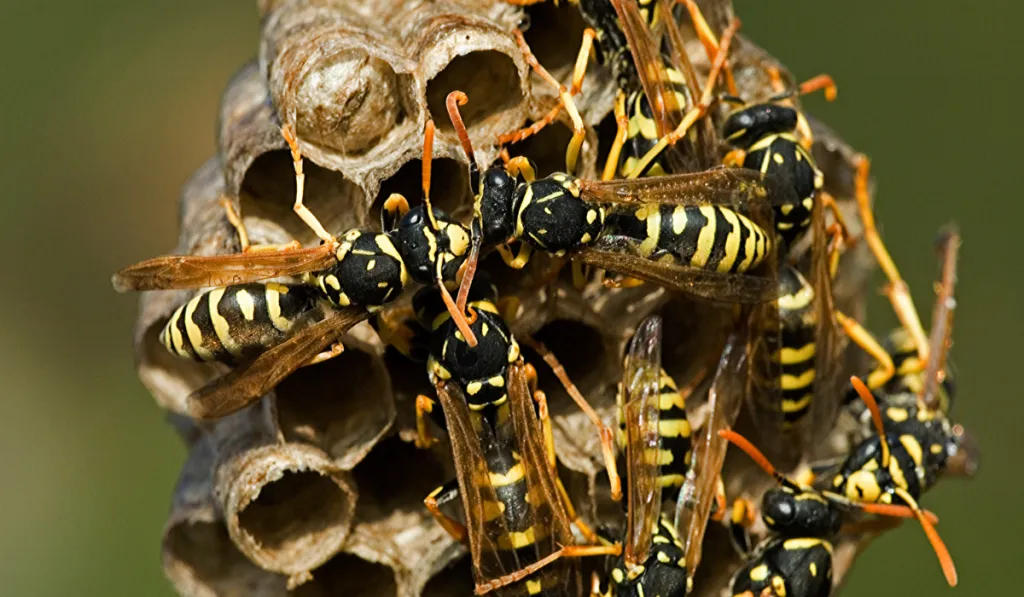
Late summer in Montana isn’t just about floating the Yellowstone or gearing up for hunting season; it’s also peak time for wasp activity.
If you’re noticing more wasps in August, you’re not alone. Across Billings, Bozeman, and Missoula, wasp populations hit their high point this time of year.
This article breaks down why that happens, what it means for your yard and home, and how to manage the buzzing chaos without ruining your barbecue.
Key Takeaways
- Wasp activity peaks in August as colonies reach their largest size.
- Western yellowjackets, bald-faced hornets, and paper wasps are the most common Montana wasps.
- Late summer food sources like sugary drinks and ripe fruit attract aggressive wasps.
- Kodiak Pest Control offers targeted treatment for wasps, hornets, and yellowjackets across Montana.
Why Are Wasps Worse in August?
By August, most wasp colonies are at their peak. Early in the summer, queen wasps spend their time laying eggs and building nests. As the larvae mature and take over nest duties, adult wasps switch focus to foraging.
In late summer, natural food sources like caterpillars and aphids become scarce. With fewer larvae to feed, worker wasps no longer get the sweet food they get from larvae. That’s when they start swarming outdoor trash cans, sugary drinks, and your weekend cookout.
If you live in Billings, Bozeman, or Missoula, you’ll see the highest wasp activity from mid-July through early September.
Why Late Summer Wasps Get Aggressive
In spring and early summer, wasps forage for protein to feed their larvae. In return, those larvae secrete a sugary substance that keeps the adults going. By late summer, larvae numbers drop, and so do the sweets.
Wasps become desperate for alternative sugar sources. Ripe fruit, open soda cans, and even hummingbird feeders become hot spots for stingers. This food-driven aggression is why August feels like “wasp season” across North America.
Common Wasps in Montana
Montana is home to several social wasp species. Each behaves differently but becomes more aggressive late in the season:
Western Yellowjackets
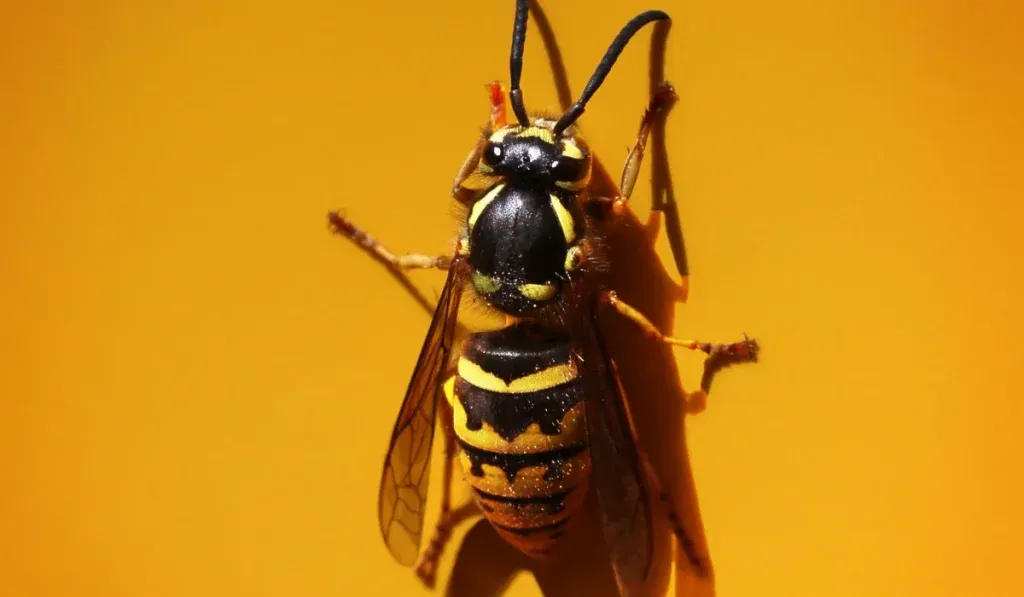
Western yellowjackets are the most aggressive wasp species in Montana. They build nests underground, in wall voids, or behind siding. By August, a single colony can number in the thousands. Sugary drinks and protein-rich scraps draw them in fast, especially during outdoor meals, making them a problem at picnics or tailgates.
Paper Wasps
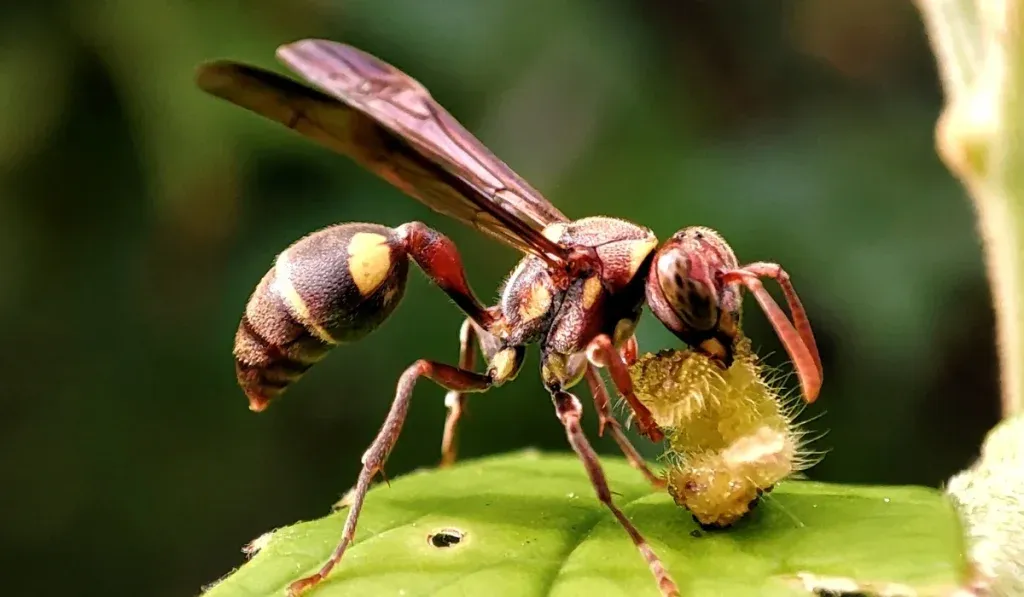
Paper wasps build umbrella-shaped nests in eaves, rafters, and on outdoor furniture. They tend to be less aggressive than yellowjackets, but they will defend their nests if disturbed. These wasps help control pests like caterpillars and aphids earlier in the season.
Bald-Faced Hornets
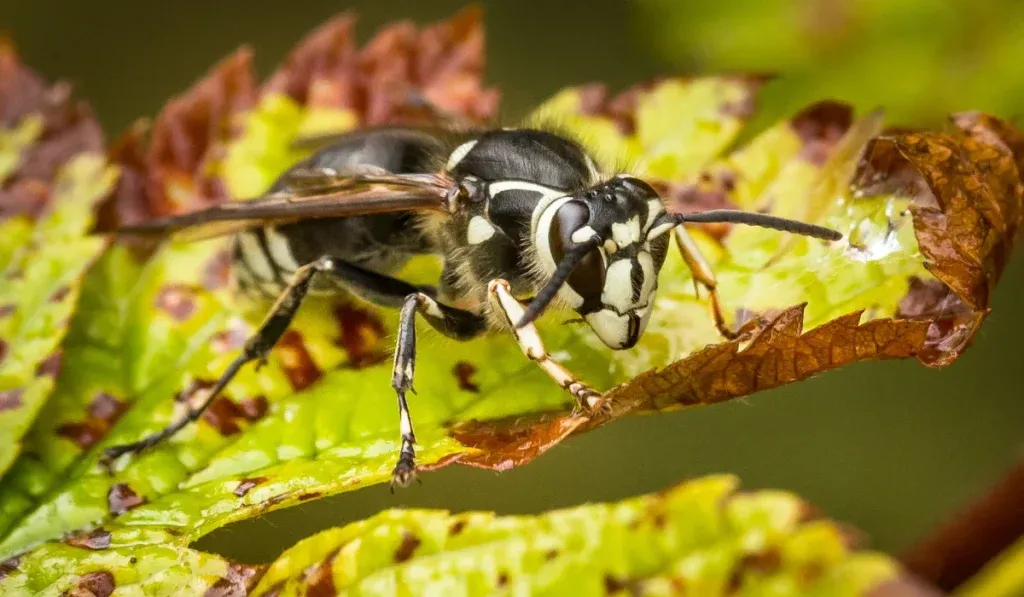
Technically a type of yellowjacket, bald-faced hornets are known for their football-sized aerial nests. These hornets are very protective and will chase intruders away from their territory. They commonly nest in trees, sheds, and under roof overhangs.
Signs of a Wasp Infestation
Watch for these signs of an active nest:
- Wasps flying in and out of the same spot, like attic vents, ground holes, or wall gaps
- Nests appearing under eaves or attached to outbuildings
- A noticeable increase in wasp traffic near trash bins or pet food
- Wasp sightings indoors, especially in upper corners or attics
The earlier you catch a nest, the easier it is to remove.
Where Wasps Build Nests
Montana wasps choose nesting sites that offer shelter and food proximity. You’ll often find nests:
- Under the roof eaves and soffits
- Inside wall voids or attic vents
- Buried in the ground (especially yellowjackets)
- In fence posts, deck railings, or outdoor equipment
- On trees, sheds, or garage overhangs
Some nests stay hidden until wasp numbers grow enough to cause problems. That’s why regular checks are a good idea, especially in August.
How to Prevent Wasps Around Your Home
While you can’t control wasps across the whole county, you can reduce attraction around your home:
- Seal trash bins tightly and rinse recyclables
- Harvest fruit from trees before they overripe
- Cover meat and sugary drinks outdoors
- Inspect your eaves and siding regularly for nests
- Keep pet food indoors or remove it promptly
If you’ve already had a wasp issue this season, expect them to come back to the same spots unless treated.
When to Call a Professional
DIY sprays might knock down a visible paper nest, but they won’t cut it for yellowjackets in wall voids or ground nests near high-traffic areas. It’s best to call a professional when:
- You or someone in your household has a history of allergic reactions to stings
- A nest is hidden, large, or near high-traffic areas
- Wasps keep showing up inside your home
- Small kids or pets could be in danger
Then it’s time to call a professional.
Kodiak Pest Control offers targeted wasp and hornet treatments throughout the Big Horn Basin and Billings area.
Just give us a call for safe and effective wasp control. Our pest control services include fast knockdown products for exposed nests and transfer treatments for hidden colonies. We also provide follow-up visits to ensure survivors don’t rebuild.
FAQs
How long do wasp nests stay active in Montana?
Most social wasps die off with the first hard frost. Wasp nests stay active for just one season. Queens do not reuse old nests, but they may build nearby. However, if left alone, new queens may return to build nearby next year.
What do I do if I find a hornet nest on my property?
Stay away and avoid vibrations. Don’t try to knock it down. Hornets get defensive fast. Contact a professional with the gear and training to remove it safely.
What attracts wasps to my yard in August?
Ripe fruit, soda cans, pet food, and uncovered trash attract wasps in late summer. As natural food sources disappear, they look for sweet and protein-rich items around your home.




