
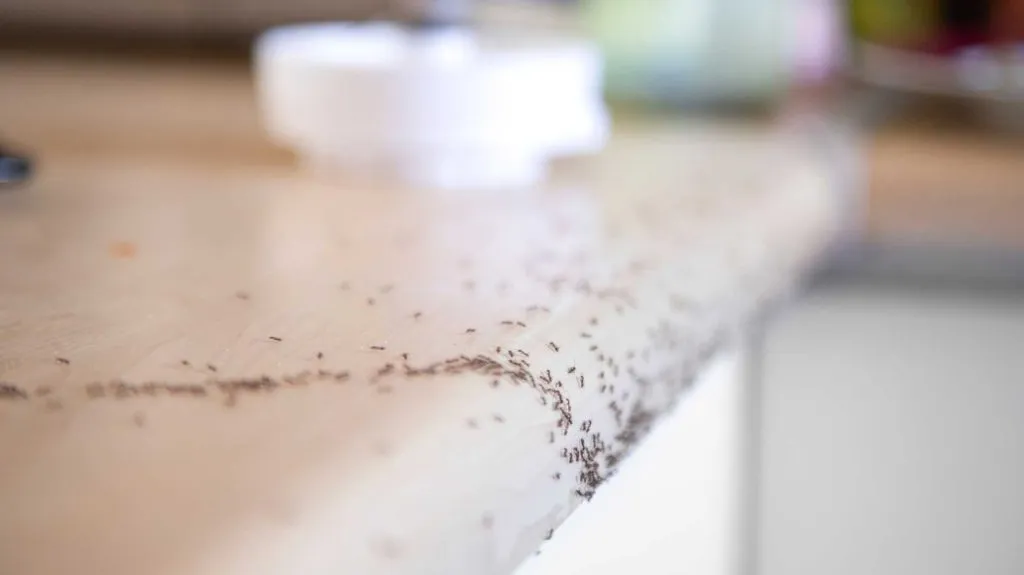
Why Are There Ants in My Bathroom can cause costly problems when early signs are missed. Learn the signs, risks, and when to call Kodiak Pest Control.
Why Are There Ants in My Bathroom?
Yes, ants in your bathroom are a common issue, and moisture is usually the main reason they show up. Bathrooms offer water sources and humid conditions that can attract ants looking for something to drink. Understanding which species you are dealing with, what draws them in, and how to respond can help you address the problem before ant activity grows.
Several ant species may find their way into bathrooms. Some are drawn primarily to moisture, while others may nest in wall voids or damp wood nearby. Identifying the type of ant you are seeing is an important first step, because different species call for different approaches.
In the sections ahead, we cover how to identify bathroom ants, what risks certain species can pose to your home, practical steps to prevent ants from returning, and when professional control makes sense. If you have noticed ants in your bathroom, this guide walks you through what to look for and what to do next.
How to Identify the Ants in Your Bathroom
Yes, ants can show up in your bathroom, and the first step toward handling the problem is figuring out which ant species you are dealing with. Different ant species vary in size, color, and body shape. Knowing what to look for helps you understand why they are drawn to your bathroom in the first place.
How to Tell Bathroom Ant Types Apart
Carpenter ants are among the largest ant species you may find indoors. According to Kansas State University Extension, adults range from about 1/4 inch for small workers up to 3/4 inch for a queen, and body color runs from reddish-brown to black, with some individuals showing a red front half and a black rear half. Workers have an evenly convex thorax with no spines and a single flattened segment connecting the thorax to the abdomen.
Black carpenter ants are typically 1/4 to 1/2 inch long and solid black. Workers vary in size within the same group. They do not sting, but they can bite and spray formic acid.
Smaller ant species such as thief ants and Pharaoh ants may also appear in bathrooms. These tend to be drawn to protein or greasy food sources year-round rather than sweets alone. Another ant species you might encounter is medium-sized and can resemble carpenter ants at first glance. You can tell them apart by looking for dual pedicels (two small segments between thorax and abdomen), uniform worker sizes, and two small spines on the thorax.
How to Spot Ant Activity Inside Your Bathroom
Look for a steady trail of workers moving along walls, baseboards, or the edges of countertops near your sink or tub. Carpenter ant workers with dull red bodies and black abdomens are easier to spot against light surfaces. If you notice workers that vary in size, that can point toward carpenter ants rather than ant species with uniform-sized workers.
Tiny, uniform ants traveling in tight lines near drains or along grout may be thief ants or Pharaoh ants. Pay attention to whether the ants are heading toward moisture or toward a food source, since that can help narrow down the species.
Where Ant Activity Shows Up Around Your Bathroom
Bathroom ant activity tends to cluster around areas with consistent moisture. Check along the base of toilets, under sinks, and around tub edges. Carpenter ants in particular may be found near areas where wood stays damp. You may also see them along window frames or door trim leading into the bathroom.
Exterior Entry Points Ants Use Near Your Bathroom
Ants often follow gaps where plumbing lines pass through exterior walls. Cracks in your foundation, spaces around vent covers, and gaps beneath exterior doors can all serve as pathways. Watching where a trail starts or ends on the outside of your home can help you trace the route ants are using to reach your bathroom.
Why Ant Problems Develop in Your Bathroom
If you are finding ants in your bathroom, the short answer is yes, this is a common problem, and it usually means ants are either nesting nearby or traveling inside to find food and moisture. Bathrooms offer conditions that attract several ant species, and understanding why they show up helps you address the issue at its source.
Outdoor Nesting Areas for Ants Near Your Bathroom
Ants inside a structure may be nesting within the building itself, or they may be nesting outside and entering the home to forage for food. According to Kansas State University Extension, houses near wooded areas are particularly vulnerable to invasion. Carpenter ants, for example, live in a different habitat and require different treatment than other ant species that may find their way into homes.
If you find ants in your home, a colony is likely nesting indoors. That makes identifying the nest location an important first step before choosing how to respond.
Food and Shelter That Attract Ants to Your Bathroom
Bathrooms provide moisture and sheltered spaces that can draw ants inside. When carpenter ants are the species involved, the concern is greater because they require a different approach than smaller household ants. Workers from the same carpenter ant colony can range from 1/4 to 5/8 inch in size and are nocturnal, which means you may not notice activity during the day.
How Ants Move Into Your Bathroom
Carpenter ants forage at night. One of the best ways to locate their nest is to use a flashlight and follow foraging trails back to the source. Because these ants are nocturnal, daytime sightings in your bathroom may only reveal part of the picture.
Ant Trails and Entry Points Around My Bathroom Homes
Ants leave scent trails between their nest and food sources. Washing ant trails with soap and water can disrupt that scent trail, making it harder for other workers to follow the path. According to Kansas State University Extension, entry points and known foraging trails are the key areas to focus on when addressing an ant problem. Checking around your bathroom for gaps where ant trails lead in or out can help you pinpoint how ants are accessing the space.
Risks From Ants in Your Bathroom
Ants in your bathroom are not just a nuisance. Depending on the species, they can pose genuine concerns for your home’s structure and, in uncommon cases, your health. Understanding these risks helps you decide how seriously to take the problem.
Health Risks Linked to Bathroom Ants
Most ant species that show up in bathrooms are drawn by moisture and are not a direct health threat. However, some species can infest food stored elsewhere in the home. While not common, at least one species, the Pharaoh ant, has been known to transmit some diseases, including Salmonella, according to the University of Minnesota Extension.
Carpenter ants bite rather than sting. A bite may be uncomfortable, but the primary concern with these ants is what they can do to your home’s wood rather than to you personally.
Property Damage From Ants in Your Bathroom
Carpenter ants are among the most concerning species you may find in a bathroom. Several species of carpenter ants can damage wood in buildings and other structures, as UC IPM notes. They hollow out wood in doors, boxes, and building structures to create nesting galleries.
Unlike termites, carpenter ants do not consume wood. They prefer existing voids in doors, window frames, and walls rather than excavating large cavities. Some carpenter ant species cause only minor, isolated wood damage, but ongoing activity in moisture-prone areas like a bathroom can worsen over time.
Food Areas and Ant Activity in Your Bathroom
Some ant species can infest food, which means a trail that begins in your bathroom may lead to pantries or kitchens. Bathrooms often serve as entry corridors because of plumbing gaps that connect to exterior walls. Sealing gaps can help prevent carpenter ants from gaining entry to your structure, and repairing exterior surfaces reduces access points further.
Sealing exterior openings that allow ants entry into your home is one of the most straightforward steps you can take to limit trails between food areas and damp spaces like bathrooms.
When to Look Closer at Ant Activity in Your Bathroom
Look for signs of water damage alongside carpenter ant activity. Small piles of sawdust-like debris near baseboards, door frames, or under the vanity can indicate that carpenter ants are hollowing out wood nearby. Moisture damage in a bathroom creates the soft, weakened wood these ants favor for nesting.
If you notice sawdust piles or soft spots in wood around your bathroom, it is worth investigating further. Carpenter ants gravitate toward areas where moisture has already compromised the wood, so the bathroom is one of the first places to check.
Professional Pest Control for Bathroom Ants
Once you understand why ants keep showing up in your bathroom, the next step is reducing what draws them in and addressing the trails they have already established. Simple preventive steps paired with a professional inspection can reduce ant activity in your bathroom long term.
How to Reduce Attractants for Bathroom Ants
Cleaning up ant trails is one of the most practical first steps you can take. Soapy water removes the scent trail ants rely on, especially when you clean thoroughly at entry points where ants are getting inside. Without that product trail, foraging ants lose the path that guides other workers into your bathroom.
A mild solution of vinegar and water can also be wiped along ant trails to temporarily disrupt ant activity. This is a useful short-term measure while you work on sealing the gaps that let ants in. Neither method provides a permanent fix on its own, but both help slow traffic while you address the root cause.
Why Ant Control in Your Bathroom Starts With Inspection
Ant control begins with finding how ants are entering your home. According to UF/IFAS Extension, you should walk around the outside of your home and locate potential entry points, including cracks, crevices, and spaces around windows and doors. Indoors, pay particular attention to windows, doors, and plumbing and utility penetrations.
Bathrooms deserve extra attention during this step because plumbing penetrations create natural gaps in walls and floors. Once you identify those entry points, sealing them with an appropriate sealant helps cut off access. This inspection-first approach targets the actual problem rather than just treating visible ants.
What to Expect During Professional Ant Treatment
Professional ant treatment goes beyond surface-level fixes. A service professional will identify entry points, trace trails, and determine which species is involved. That identification matters because some ants respond differently to common approaches. Carpenter ants, for example, have complex food preferences, and baits may not attract them long enough to be successful.
Kodiak Pest Control serves Billings, MT and surrounding Montana and Wyoming communities. Our team takes the time to understand where ants are coming from and why your bathroom is attracting them before recommending a treatment approach.
What to Expect From a Bathroom Ant Control Plan
A complete control plan does not stop at the initial treatment. Following up to make sure the control activities worked is an important part of the process. Without follow-up, you may not realize ants have found a new entry point or that trails have re-formed.
Your plan may include sealing cracks and crevices around plumbing, cleaning scent trails with soapy water at entry points, and ongoing monitoring. Each step builds on the inspection findings so the approach stays targeted to your bathroom’s specific conditions rather than relying on a one-size-fits-all method.
Bottom Line on Bathroom Ants
Ants show up in bathrooms because they can find moisture and shelter there. Addressing moisture sources and keeping surfaces clean are the two most practical starting points. Different ant species may call for different approaches, so identifying what you’re dealing with matters before choosing a next step. If ants keep returning or you suspect they may be nesting inside walls or wood, working with a professional can help you build a targeted plan.
Contact Kodiak Pest Control to request a quote for your home in Billings, Laurel, or any of our Montana and Wyoming service areas.
Frequently Asked Questions About Ants in Your Bathroom
Why Do Ants Prefer Bathrooms Over Other Rooms?
Bathrooms tend to offer a steady supply of moisture, which many ant species seek out. Standing water, damp surfaces, and humidity all make this room appealing compared to drier areas of the house.
Can I Get Rid of Bathroom Ants on My Own?
You can try wiping ant trails with a mild vinegar and water solution to temporarily disrupt their activity. However, this may not resolve the underlying issue if ants are nesting inside your home. Following up to confirm that your efforts worked is an important step.
When Should I Call a Professional?
If you notice ants returning after repeated cleanup, or if you suspect a nest inside wall voids or damaged wood, a pest control professional can assess the situation and determine a plan tailored to the species involved. Some species require targeted treatment that goes beyond surface-level cleanup.
Are All Bathroom Ants the Same Species?
No. Several ant species may appear in bathrooms, and they can differ in size, nesting habits, and food preferences. Correct identification helps guide the right response, since treatment that works for one species may not work well for another.




