
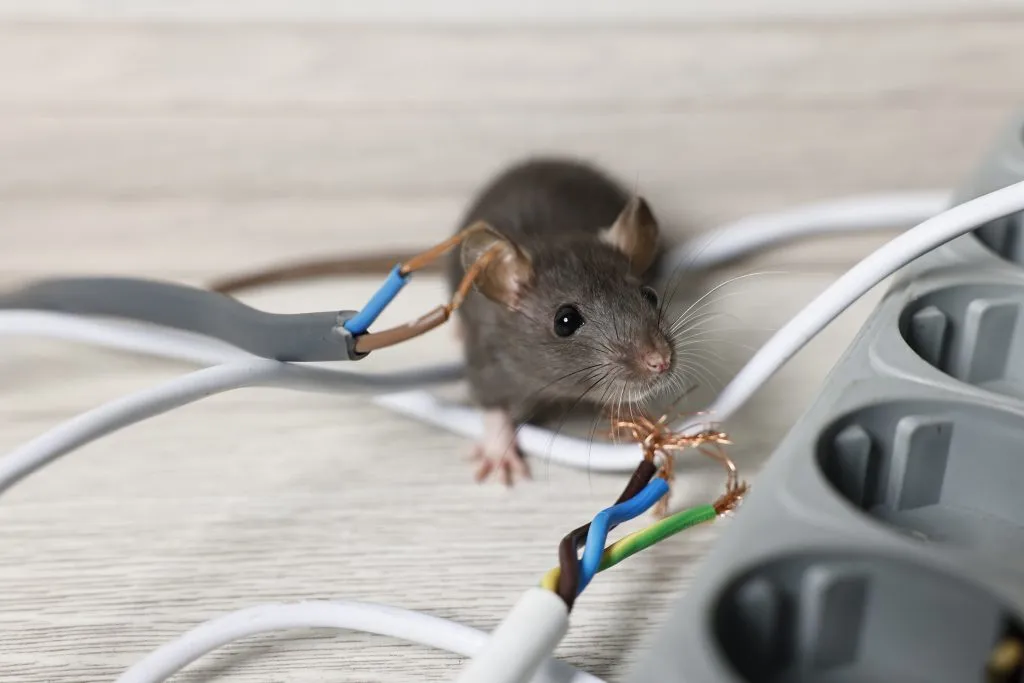
Mice chew wires in Worland homes for a simple reason, their teeth never stop growing. Gnawing keeps those teeth worn down, and once mice make their way indoors, wire insulation becomes one of the easiest things for them to work on.
Around Worland, this tends to show up more in the colder months. As temperatures drop, mice look for steady shelter, and homes provide exactly that. Attics, basements, garages, and crawl spaces give them warmth, cover, and access to everything they need.
Most people don’t notice right away. It usually starts with faint scratching in the walls, a few droppings in a corner, or a light that flickers and then works again. Understanding why mice chew wires helps you connect those early signs before the damage gets worse.
Key Takeaways
- Mice chew wires to manage their constantly growing teeth, especially in quiet areas like attics and crawl spaces
- Early signs include droppings, scratching sounds, and damaged insulation around wiring
- Wire damage can lead to electrical issues that require both pest control and electrical repair
- Lasting results come from finding entry points and removing the conditions that allow mice to stay.
Common Reasons Why Mice Chew Wires in Homes
Common house mice aren’t targeting your wiring on purpose. They’re just interacting with their environment, and your home happens to be full of materials that fit their needs.
How Mice Incisors Drive Constant Chewing
A mouse’s front teeth grow continuously, so chewing is not optional for them. It’s something they have to do to keep those teeth from becoming a problem. Hard materials like plastic-coated wiring give them the resistance they’re looking for.
Why Electrical Wires Are Easy Targets
Most wiring runs through quiet, undisturbed parts of the home. Attics, basements, and crawl spaces are exactly where mice like to settle, so it’s common for them to come into contact with electrical wires as they move around or build nests.
Nesting Behavior and Wire Insulation Use
Mice build nests close to food and shelter, and they’re not picky about materials. If insulation or debris is nearby, they’ll use it. In some cases, that includes pulling at wire insulation or chewing through it while shaping their nesting space.
What Causes Mice to Keep Chewing Wires
Once mice settle in, a few key conditions tend to keep them active. If those don’t change, the chewing usually doesn’t stop either.
Indoor Food Sources That Sustain Rodent Activity
It doesn’t take much to keep mice fed. A few crumbs under an appliance, pet food left out overnight, or loosely stored pantry items can be enough. When food is easy to find, mice are more likely to stay put.
Winter Shelter in Attics, Basements, and Crawl Spaces
Worland winters push mice to find stable shelter. Homes offer consistent warmth, especially in upper attic spaces or insulated basements. Once they’re comfortable, they tend to stay close to those areas.
Entry Points That Allow Ongoing Infestations
Mice can fit through surprisingly small gaps. Openings around utility lines, vents, or foundation cracks often go unnoticed, but they give mice a reliable way in and out. If those aren’t sealed, activity tends to continue.
Why DIY Methods Like Peppermint Oil Fall Short
Some DIY approaches, like peppermint oil, may make an area less appealing for a short time. The problem is they don’t remove the nest or block access. As long as mice still have food and shelter, they usually come back.
Signs of Mice Chewing Wires in Your Home
Mice are mostly active at night, so you’ll usually notice the signs before you see the mouse itself.
Droppings Near Electrical Areas
Droppings are often one of the first clues. You might find them near baseboards, inside cabinets, or along basement walls where wiring is nearby.
Visible Wire Damage and Insulation Debris
If you come across frayed or stripped wire insulation, that’s a strong sign of rodent activity. It often shows up alongside small bits of debris or nesting material.
Scratching or Gnawing Sounds in Walls
Light scratching or gnawing sounds, especially in the evening, can point to mice moving through wall voids or ceiling spaces. These are often the same paths where wiring runs.
Flickering Lights or Electrical Outages
Electrical issues don’t always mean mice, but when flickering lights show up along with other signs, it’s worth taking seriously as it impacts your entire electrical system. Damaged wiring should always be checked by an electrician.
Risks of Mice Chewing Electrical Wires
At first, chewing might not seem like a big deal. The problem is what happens after the insulation is damaged.
Fire Hazards From Exposed Wiring
When wires are exposed, the risk of sparking or short circuits goes up, which is a leading cause of house fires. It’s not something you’ll always see right away, which is why electrical concerns should be inspected promptly.
Repair Costs Can Grow if Damage Spreads
Once wiring is damaged, repairs often involve opening up walls or ceilings to find the affected sections. Catching the issue early can make a noticeable difference in how extensive that work becomes.
Small Rodent Problems Can Grow
Mice don’t stay in small numbers for long if conditions are right. With steady food and shelter, activity can increase, along with the amount of chewing and overall damage.
Damage Can Reach More Than Wiring
Wires are just one part of it. Mice will also chew insulation, drywall, stored items, and even car wires if they’re getting into the garage regularly.
Professional Rodent Control in Worland
If you suspect mice are chewing wires, an inspection can help clarify what’s actually happening behind the scenes.
As a professional exterminator, Kodiak Pest Control focuses on identifying where mice are entering, where they’re nesting, and how they’re moving through the property. That includes not just the interior, but also the areas outside that often get overlooked.
In Worland, it’s common for mice to move between garages, sheds, crawl spaces, and small exterior gaps before settling inside. Addressing those patterns makes a difference in whether the problem comes back later.
If you’re renting, it’s a good idea to document what you’re seeing and pass that along to your landlord or property manager so it can be addressed properly.
How to Stop Mice From Chewing Wires in Worland Homes
If you’re noticing signs that mice chew wires, it’s worth addressing sooner rather than later. These problems rarely stay contained, and the longer mice remain active, the more damage they tend to cause.
Start by confirming activity and looking at how mice are getting inside. Entry points, food sources, and nesting areas all play a role. Once those are identified, you can take steps to limit access and reduce what’s attracting them in the first place.
Kodiak Pest Control provides rodent control and general pest control services designed to address both the immediate issue and the conditions behind it. If you’re hearing movement in the walls or seeing signs of wire damage, scheduling a mouse inspection in Worland is a practical next step.
Mice Chewing Wires in Your Home: FAQs
Why do mice chew wires in homes?
Mice chew wires because their teeth never stop growing. Gnawing helps keep them trimmed, and wiring is often located in the same areas where mice live.
Is it dangerous if mice chew electrical wires?
It can be. When insulation is damaged, wires may become exposed, which increases the chance of electrical issues or sparking.
What are the first signs mice are chewing wires?
Look for droppings, scratching noises in walls, or visible damage to wire insulation. Electrical issues like flickering lights may also show up alongside these signs.
What should you do if mice chew wires in your home?
Have a licensed electrician inspect any suspected damage, then address the rodent issue so the problem doesn’t continue.




