
Yellow jackets turn aggressive in September because their colonies are often near peak size, their food needs are changing, and more workers are available to defend the nest. In the Big Horn Basin and around Billings, this seasonal shift overlaps with yard cleanup, garden harvests, outdoor meals, and the last warm weekends of the year.
September does not trigger an instant change in yellow jacket behavior. Weather, elevation, and species can affect the timing. Still, late summer and early fall often create the conditions that bring yellow jackets into closer contact with people.
You may notice them around garbage cans, fallen fruit, sweet drinks, pet food, and picnic tables. At the same time, a concealed nest beside a walkway, shed, irrigation box, or lawn may contain a large number of workers ready to respond when the area is disturbed.
Why Yellow Jackets Turn Aggressive in September
Yellow jackets turn aggressive in September for three connected reasons: colony size, changing food demands, and stronger nest defense. Understanding those factors helps you tell the difference between a yellow jacket looking for food and a colony responding to a threat.
The Colony Is Near Its Annual Peak
A yellow jacket colony begins with a queen that survives winter in a sheltered location. When warmer weather returns, she starts a new nest, raises the first workers, and continues producing brood as the colony expands through spring and summer.
By late summer or early fall, the nest may contain thousands of workers, depending on the species and local conditions. More workers mean more insects leaving the nest to search for food, crossing lawns and patios, and responding when people or pets approach the colony entrance.
This is why yellow jacket season can seem manageable in early summer and far busier by September. The nest has had months to grow, while homeowners are still mowing, trimming, working around sheds, and spending time in the same outdoor spaces.
Workers Begin Searching for More Sugar
The UC Statewide Integrated Pest Management Program explains that yellow jacket workers gather insects and other protein sources for developing larvae during much of the growing season. As brood production slows later in the year, workers spend more time looking for sugar to support their own energy needs.
That shift brings yellow jackets toward soda, juice, ripe fruit, desserts, hummingbird feeders, food residue, and open trash. A yellow jacket circling a drink is usually foraging rather than defending a nest, but it can still sting if someone swats at it or traps it against clothing.
This behavior also explains why yellow jackets may appear at a cookout even when no nest is visible. They may be traveling from another part of the property or from a neighboring yard.
Mature Nests Have More Defenders
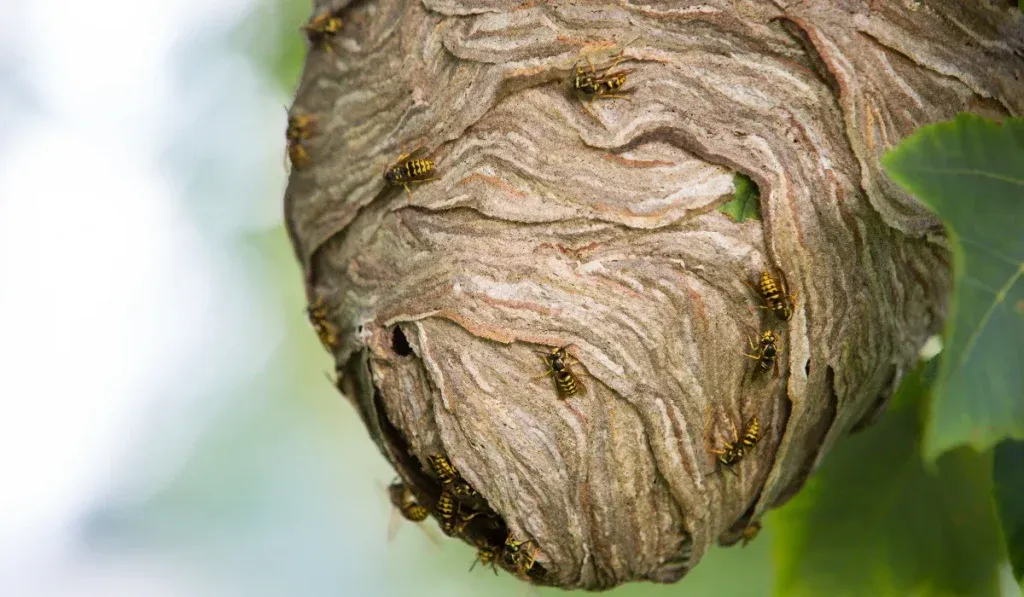
Aggressive yellow jackets pose the greatest concern when you unknowingly approach the colony entrance. Yellow jackets are social wasps that defend a shared nest, and a mature colony has far more workers available to respond than a small spring nest.
Lawn mowers, string trimmers, digging, heavy foot traffic, pets, and vibrating equipment can trigger a defensive reaction. Several workers may leave the nest quickly, especially when the entrance is underground or hidden beside a structure.
Their venom does not need to become stronger in September for an encounter to feel worse. A larger defensive response, repeated stings, and surprise contact with a concealed nest can make a fall incident more serious.
| What You Notice | What It Often Means | Safer Response |
|---|---|---|
| One or two yellow jackets around food or drinks | Workers are foraging for sugar or protein | Cover food, clean spills, and move calmly |
| Repeated traffic entering one hole or gap | A nest entrance is nearby | Keep people and pets away from the area |
| Several yellow jackets responding at once | The colony may be defending the nest | Leave the area without swatting or blocking the entrance |
Where Fall Yellow Jackets Nest Around Homes
Fall yellow jacket behavior becomes harder to manage when the colony is hidden. Many species use underground cavities, including abandoned animal burrows, while others occupy wall voids, crawlspaces, attics, retaining walls, and protected gaps around buildings.
Colorado State University notes that nuisance wasps may nest in the ground or in structural spaces. That range of nesting habits is why identifying the entry point matters before anyone attempts to address the activity.
Around Wyoming and Montana properties, potential nest sites include spaces under decks, landscape timbers, irrigation equipment, fence lines, barns, sheds, outbuildings, and the edges of rural yards. A nest may also sit beside a walkway or lawn without any exposed paper structure.
Watch from a safe distance for repeated traffic entering and leaving one opening. A steady flight path to a ground hole, siding gap, or structural crack often gives you more useful information than trying to see the nest itself.
How to Avoid Yellow Jacket Stings in September
Reducing food access is one of the simplest ways to limit yellow jacket activity in September. Keep outdoor garbage containers closed, clean spills promptly, remove fallen fruit, and avoid leaving pet food outside longer than necessary.
Cover food during cookouts, and check open cans or bottles before taking a drink. Sweet liquid inside a container can attract a yellow jacket where you cannot easily see it. Clean grills, tables, and recycling bins after use so residue does not continue drawing workers into the area.
Your response near a suspected nest should focus on distance rather than confrontation. Do not swat at workers, block the entrance, dig into the opening, or attempt to flood the colony. Those actions can bring more defenders out of the nest and place you closer to the source of the activity.
Before mowing, trimming weeds, or working around sheds and retaining walls, look for repeated yellow jacket traffic. Keep children and pets away when workers follow the same route into a hole, crack, or void.
Late-season garden cleanup, outdoor games, livestock chores, and weekend meals can all place people near hidden nests in the Big Horn Basin and Billings. A few minutes of observation before starting work can help you spot activity before equipment disturbs the colony.
What to Do After a Yellow Jacket Sting
A yellow jacket sting commonly causes immediate pain, redness, and swelling around the site. Move away from the area first because the same insect can sting more than once, and other workers may be nearby.
Wash the area and apply a cold compress to help with localized discomfort and swelling. Avoid scratching the sting site, since broken skin can become irritated.
Watch closely for signs of a severe allergic reaction. The American College of Allergy, Asthma & Immunology identifies breathing trouble, swelling of the face or throat, dizziness, widespread hives, and loss of consciousness as warning signs that require emergency care.
Call 911 when those symptoms appear. People with a known insect-sting allergy should follow the emergency plan provided by their medical professional.
Multiple stings also deserve added caution, especially for children, older adults, and anyone with health concerns. Seek medical guidance when symptoms extend beyond the immediate sting area or continue to worsen.
When Professional Yellow Jacket Removal Makes Sense
Professional yellow jacket removal makes sense when the colony sits near a frequently used area or inside a difficult location. Nests beside doors, decks, sidewalks, play spaces, barns, garages, and work areas create repeated opportunities for accidental disturbance.
A concealed nest can also be hard to address from the outside. Workers may be entering a wall void, crawlspace, attic, or underground chamber that extends away from the visible opening. Sealing that opening before the colony is resolved can redirect activity into another part of the structure.
Kodiak Pest Control approaches exposed nests differently from colonies hidden underground or inside structural voids. A technician first identifies the pest and nesting location, then selects professional products and materials suited to the site. Follow-up service may be used to address surviving activity or workers returning after the initial visit.
Professional help is especially appropriate when someone on the property has a known sting allergy, several workers respond when the area is approached, or the nest cannot be reached without digging, climbing, or opening part of the structure.
Spraying individual foragers does not resolve a colony hidden elsewhere. Locating the nest and addressing the source provides a more complete response than chasing yellow jackets one at a time.
Keeping September Yellow Jackets Away From Your Property
Yellow jackets in September become more noticeable because mature colonies contain more workers, food preferences shift toward sugar, and hidden nests can produce a strong defensive response. Managing outdoor food, watching for repeated flight paths, and giving suspected nest sites plenty of space can reduce the chance of a painful encounter.
When yellow jackets repeatedly enter one opening or nest near an area your family uses, Kodiak Pest Control can identify the colony and address difficult nesting sites. With 24 years of combined experience protecting Wyoming and Montana properties, the team understands the seasonal conditions that affect homes across the region. To schedule service, contact Kodiak Pest Control before yardwork, foot traffic, or outdoor activity puts someone too close to the nest.




