
If you hear scratching in the walls or find droppings under the sink, you are not alone. Mice are a common pest problem in Wyoming and Montana, especially when temperatures drop.
When this happens, many homeowners search online for quick answers and encounter the same question.
The idea sounds simple. Grab something from the pantry, sprinkle it around, and fix the mouse problem without calling an exterminator or scheduling residential pest control. That leads many people to ask, “Will baking soda kill mice, or is it just another internet myth?”
Before mixing baking soda with peanut butter or cornbread, it helps to know how mice behave, how their bodies work, and why many home remedies fail. Knowing what works can save you time, stress, and a larger mouse problem later.
Key Takeaways
- People often suggest baking soda for mouse control, but it rarely works as expected.
- Mice must ingest a lethal dose for the baking-soda kill methods to work, which is unlikely.
- DIY options like snap traps and sealing entry points usually perform better than home remedies.
- Professional pest control addresses the root cause of a mouse infestation, not just the symptoms.
Video: Mice 101 – Mice Species Fast Facts And Information
This short video breaks down common mouse species, their habits, and why they enter homes. It helps homeowners understand how mice find food sources, how fast infestations grow, and what signs to watch for indoors before the problem escalates.
How The Baking Soda Theory Is Supposed To Work
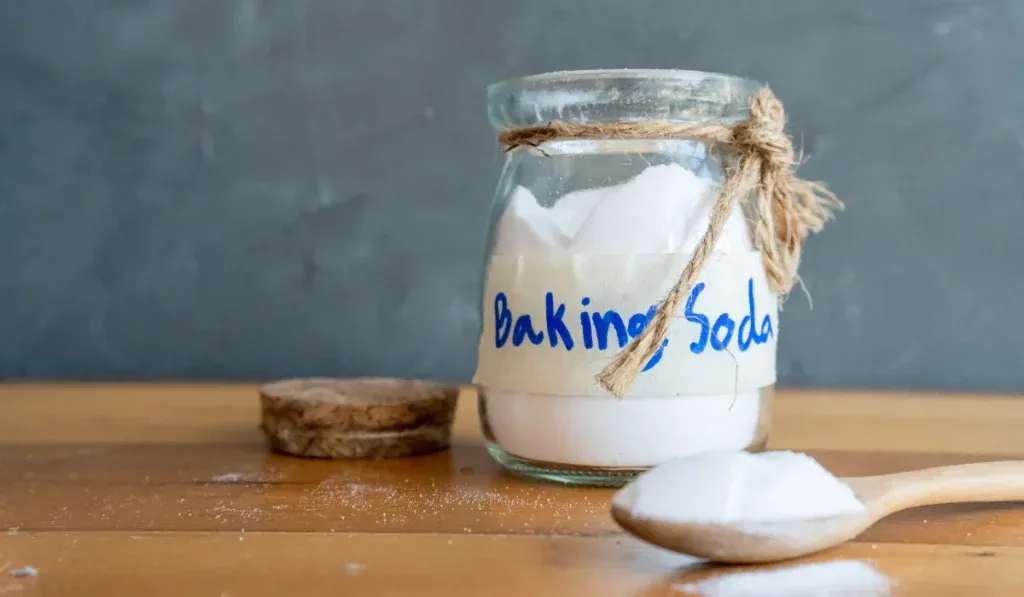
The idea behind using baking soda sounds convincing at first glance. Baking soda, also called sodium bicarbonate, reacts with stomach acid and creates carbon dioxide gas.
In theory, when mice eat it, gas builds up inside their body. Because mice cannot burp like humans, some people believe the gas causes pressure and a blockage that can kill them. This explanation claims the gas expands until it becomes deadly.
That theory leaves out key details. For baking soda to work, mice must eat a large amount. The lethal amount is much more than most mice will eat, especially when other food is nearby.
Why Baking Soda Rarely Solves A Mouse Problem
In homes, baking soda fails for several reasons.
First, mice eat with caution. They nibble small amounts and move on, so they rarely eat enough to die.
Second, most homes already have other food sources. Crumbs, pet food, birdseed, and pantry items attract mice more than baking soda bait. Even when mixed with peanut butter or cornbread, mice often avoid eating enough.
Finally, gas buildup does not always kill mice. Some mice can release a gas that weakens the reaction and makes baking soda unreliable, especially during an active mouse problem.
Common DIY Baking Soda Recipes And Their Limitations
Many DIY guides suggest mixing baking soda with peanut butter, sugar, or cornbread. The goal is to hide the taste and get mice to eat it.
While these mixes may attract mice, they still do not work well. Mice may take a few bites and walk away. Others may carry food away without eating much. In some cases, mice die in hidden areas, which can cause unpleasant odors.
DIY methods also ignore entry points, nests, and the full infestation. Killing one mouse does not stop others from entering.
Safer And More Reliable Mouse Control Options
When homeowners ask about the most effective ways to get rid of mice, many wonder if they can use baking soda, but proven control methods work better than home remedies.
Snap traps work well when placed along walls and near droppings. Live traps can work, but they need frequent checks and proper release. Avoid using rat traps and rat bait indoors due to safety risks.
Some people try peppermint oil or other essential oils to repel mice. These may temporarily slow activity, but they do not eliminate an infestation. Repellents alone do not eliminate mice or prevent their return.
Why Entry Points And Prevention Matter
Even the best control method fails if mice keep getting inside. Mice squeeze through gaps as small as a dime, so sealing entry points is important. Gaps around utility lines, foundations, garage doors, and siding often serve as entry points for pests.
When homeowners focus only on killing mice and do not block access points, the cycle repeats. Effective mouse control includes exclusion, sanitation, and monitoring. Seeing droppings again usually means mice are still entering the structure.
In areas where homeowners see mice indoors before fall, prevention becomes even more important. Early action can stop a small mouse problem from turning into a larger rodent control issue.
When Home Remedies Turn Into Bigger Problems
Home remedies can create new problems.
Rodenticides and mouse poison can cause mice to die inside walls or crawl spaces, leaving dead mice behind and causing unpleasant odors, insect infestations, and sanitation issues. Plaster of Paris mixtures and other DIY poisons create similar risks. These methods lack control and raise risks for pets and children.
Good pest management should never create a new danger inside the home.
When To Call A Professional
If you see repeated droppings, hear sounds in the walls, or face a returning infestation, it is time to call an exterminator. Professional pest control focuses on lasting solutions, not quick fixes.
At Kodiak Pest Control, mouse control starts with an inspection and a clear plan. By fixing food sources, nests, and entry points, homeowners get lasting results without home remedies.
Getting rid of mice in your home works best when you fix the entire problem, not just one mouse at a time.
Making The Right Choice For Mouse Control
Baking soda sounds like an easy answer, but simple ideas do not always match real-life results. Mouse problems often involve hidden entry points, nesting areas, and ongoing activity from critters that quick fixes do not solve.
Choosing the right approach comes down to accuracy and follow-through. When control methods match how mice actually live and move, results last longer and problems stay contained. At Kodiak Pest Control, we focus on that level of detail so homeowners do not repeat the same fixes.
Contact us today to schedule an inspection and take the next step toward a mouse-free home.
FAQs
Does baking soda really kill mice?
Baking soda can react with stomach acid, but mice rarely eat enough to reach a lethal dose. In real homes, this method usually fails and does not stop a mouse infestation.
What attracts mice to baking soda bait?
Most recipes rely on peanut butter, cornbread, or sugar to mask the taste. Even then, mice often eat only small amounts or avoid it if other food sources are present.
Are mouse traps better than home remedies?
Yes. Snap traps and properly placed mouse traps are far more reliable than DIY baking-soda methods and allow you to monitor results.




